
Dreams of death often symbolize endings that lead to new beginnings, reflecting personal growth and transformation. Many cultures see these dreams as signs of change or spiritual renewal, helping you process shifts in life. Psychologically, they might highlight the need to leave old habits or beliefs behind. Embracing these symbols can turn fear into motivation and open doors to growth. To discover how your personal experiences shape these dreams, explore what these visions truly mean for you.
Key Takeaways
- Death dreams often symbolize the end of a life phase or personal growth, indicating transition rather than literal mortality.
- Such dreams can reflect inner emotional changes, prompting reflection on new beginnings or transformations.
- Cultural perspectives interpret death dreams as signs of renewal, helping individuals embrace change and move forward.
- Recognizing death in dreams as a metaphor for endings can reduce fear and foster acceptance of life’s transitions.
- These dreams serve as opportunities for self-awareness, encouraging growth through confronting and understanding change.
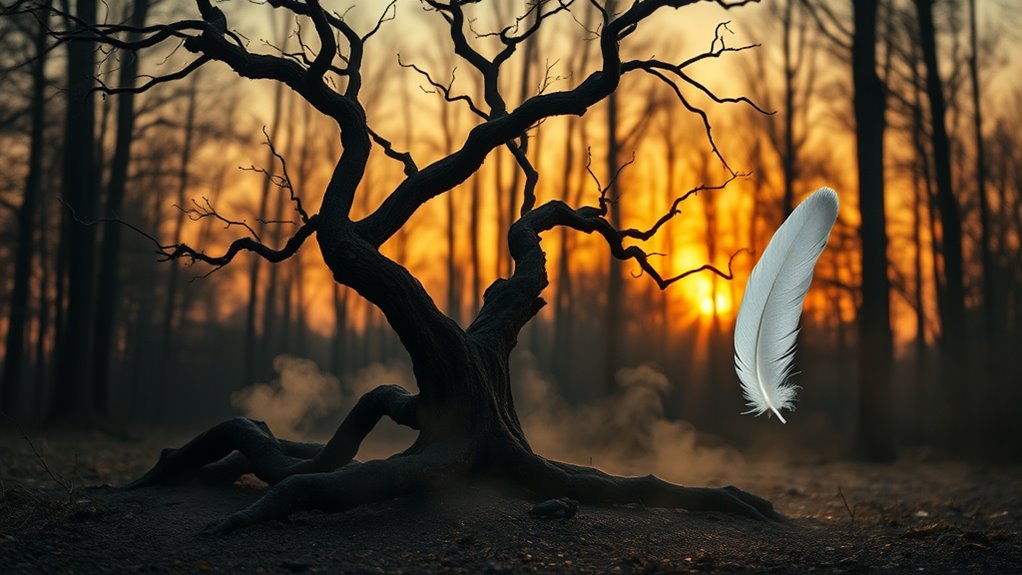
Have you ever woken up feeling unsettled after dreaming about death? Those dreams can leave you feeling confused or even afraid, but they’re often more revealing than you might think. Different cultures interpret these dreams in unique ways, shaping how you understand their meaning. For example, some cultural interpretations see death dreams as a sign of transformation or spiritual change rather than literal endings. In many traditions, dreaming of death symbolizes the closing of one chapter and the opening of another, pointing to personal growth and renewal. These cultural perspectives influence how you interpret your dream and can provide comfort or guidance, depending on your background.
Beyond cultural views, psychological symbolism offers another layer of meaning. From a psychological standpoint, dreams of death frequently symbolize aspects of your inner life rather than physical mortality. They can represent the end of a phase, such as leaving behind old habits, beliefs, or relationships that no longer serve you. It’s your subconscious mind’s way of signaling that change is necessary, urging you to let go of what’s holding you back. Sometimes, these dreams reflect feelings of fear, loss, or anxiety about change, especially if you’re going through a stressful period. Recognizing this symbolism can help you confront underlying emotions, turning fear into motivation for personal development.
Thinking about these dreams through both cultural and psychological lenses, it’s clear they serve as powerful symbols of transition. The death in your dream isn’t necessarily a literal death but a metaphor for the ending of one phase and the beginning of another. It’s a sign that you’re in a process of transformation, even if it feels uncomfortable or uncertain. By understanding the cultural interpretations, you might see your dream as a positive sign of growth, rather than something to fear. Meanwhile, understanding the psychological symbolism allows you to explore what parts of yourself need change or healing. Recognizing these symbols gives you the opportunity to reflect on your life, embracing endings that lead to new beginnings.
Additionally, recognizing that dream symbolism often varies across different cultures and individual experiences can help you approach these dreams with more compassion and open-mindedness. Ultimately, these dreams serve as invitations to examine your life’s journey and the transitions you’re experiencing. Whether you interpret them through cultural insights or psychological symbolism, they remind you that death is not just an end but a crucial part of continual renewal. Confronting these dreams with awareness can help you find meaning and strength, turning unsettling feelings into opportunities for growth. So, next time you wake up from a death dream, consider what it might be telling you about your inner world and the changes ahead.

12,000 Dreams Interpreted: A New Edition for the 21st Century
As an affiliate, we earn on qualifying purchases.
As an affiliate, we earn on qualifying purchases.
Frequently Asked Questions
How Do Cultural Differences Influence Death Dream Interpretations?
You should know that cultural differences greatly influence how you interpret death dreams. Cultural symbolism and spiritual beliefs shape what death represents in your subconscious, making the meaning unique to your background. For example, some cultures see death as a passage to a better life, while others view it as a loss. These perspectives color your dreams, guiding how you understand their message about endings and new beginnings.
Can Recurring Death Dreams Predict Real-Life Events?
Yes, recurring death dreams can hint at subconscious fears and emotional processing, but they don’t predict specific events. Instead, they highlight your mind’s way of working through change or unresolved issues. You might see these dreams as a mirror of your inner struggles, urging you to confront emotions. Recognize their pattern, but avoid assuming they foretell actual future happenings—use them as a tool for personal growth.
Are Death Dreams More Common During Certain Life Stages?
Yes, death dreams are more common during certain life stages, especially during aging shifts when you’re facing change or loss. They can also stem from childhood fears about mortality. During these times, your subconscious processes emotions related to growth, aging, or fears, making death dreams more frequent. Recognizing these patterns helps you understand your inner feelings and navigate life’s transitions more consciously.
What Role Does Anxiety Play in Death-Related Dreams?
Anxiety amplifies your awareness, actively arousing subconscious fears and fueling death-related dreams. When you experience heightened fear processing, your mind manifests these anxieties as symbolic death scenes, reflecting unresolved worries. This emotional escalation triggers tension and terror, making you confront core fears in your sleep. By understanding this link, you can better process emotions, reducing the frequency of these distressing dreams and fostering a sense of security and calm.
How Can Understanding Death Dreams Aid Personal Growth?
Understanding death dreams helps you process grief and build emotional resilience. By reflecting on these dreams, you can confront fears and unresolved feelings, leading to personal growth. Recognizing symbols of endings and new beginnings allows you to embrace change more openly. This awareness empowers you to navigate life’s passages with greater strength, transforming fear into acceptance and fostering a deeper understanding of your emotional landscape.
Conclusion
Dreams of death may feel like storms passing through your mind, but they often symbolize endings and fresh starts. Embrace these visions as opportunities to let go of the old and make space for new beginnings. Just as a forest clears to make way for new growth, your subconscious is guiding you toward transformation. Remember, every ending is simply the start of something new, waiting quietly like dawn breaking after night.