To boost your mood and energy with SAD lamps and sunrise clocks, use them in the morning for 20-30 minutes when sunlight is limited. Position your device at eye level and start with a gentle increase in brightness to mimic natural sunrise. Consistently time your sessions early to help regulate your circadian rhythm and avoid late-day exposure. For tips that help you get the most out of your light therapy, keep exploring what works best for you.
Key Takeaways
- Use SAD lamps for 20-30 minutes each morning at eye level to boost mood and energy effectively.
- Set sunrise clocks to gradually increase light just before your usual wake-up time to simulate natural sunrise.
- Consistently schedule light therapy sessions early in the day to support circadian rhythm regulation and prevent sleep disruption.
- Adjust brightness levels gradually to mimic natural light, enhancing alertness without causing eye strain or flickering.
- Combine light therapy with outdoor walks during daylight hours for maximum mood and energy benefits.
As an affiliate, we earn on qualifying purchases.
How Light Affects Your Mood and Energy
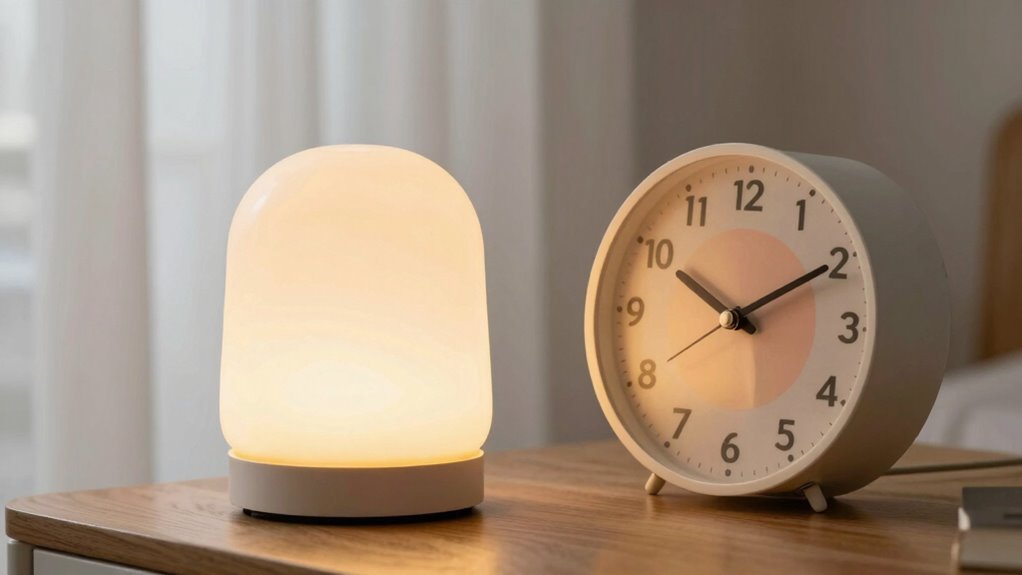
Light plays an essential role in regulating your mood and energy levels. When exposure to natural light decreases during winter months, your seasonal mood can dip, leaving you feeling sluggish or down. This is because light influences your circadian rhythm, the internal clock that controls sleep-wake cycles and alertness. Proper light exposure helps keep this rhythm aligned, ensuring you feel energized during the day and ready to rest at night. Without enough light, your body struggles to produce the right balance of hormones like serotonin and melatonin, affecting your mood and energy. Understanding how light impacts your circadian rhythm empowers you to use lighting strategies—like SAD lamps or sunrise clocks—to improve your overall well-being. Light exposure can also influence other aspects of health, such as immune function and hormone production, further highlighting its importance. Recognizing the importance of circadian rhythm regulation can help you optimize your daily light exposure for better health and mood stability. Additionally, maintaining consistent light patterns supports your body’s natural hormonal balance, which is vital for overall health. Proper light management may also enhance sleep quality, leading to improved daytime alertness and emotional resilience. To maximize these benefits, it’s helpful to understand how light timing impacts your biological processes and daily functioning.
What Are SAD Lamps and Sunrise Clocks: And How Do They Work?

SAD lamps and sunrise clocks are popular tools designed to simulate natural light and help regulate your circadian rhythm. SAD lamps emit a bright, full-spectrum light that mimics natural sunlight, which can improve mood and energy levels during darker months. Sunrise clocks gradually increase light intensity, signaling your body to wake up naturally. When choosing these devices, consider their light spectrum to guarantee they deliver the right wavelengths for effective therapy. Device safety is vital—look for models with appropriate UV filters and proper exposure guidelines to protect your eyes and skin. Proper use ensures you get the benefits without risking overstimulation or harm. Both tools work by resetting your internal clock, helping you feel more alert during the day and better able to manage seasonal mood changes. Additionally, understanding the concept of Free Floating can help you optimize your light therapy routine for better overall well-being. Using devices with proper light spectrum can enhance their effectiveness, ensuring you receive the optimal wavelengths for mood and energy regulation. Selecting devices with adjustable settings allows for personalized therapy sessions tailored to your needs. Moreover, paying attention to light timing can maximize the positive effects on your circadian rhythm and overall health. Incorporating consistent daily routines can further improve the efficacy of your light therapy and support your natural sleep-wake cycle.
Why Proper Light Timing Is Key to Beating Seasonal Affective Disorder
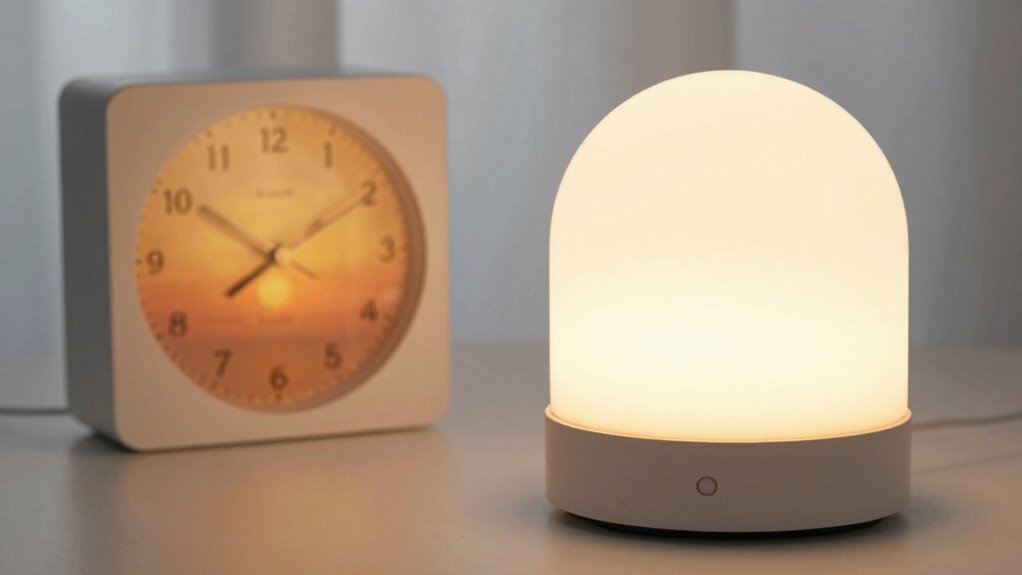
Timing your exposure to light is fundamental to effectively managing seasonal affective disorder. Proper light timing helps regulate your circadian rhythm, which controls your sleep-wake cycle and overall mood. Exposure to light at the right time guarantees your brain receives signals aligned with your natural biological clock. The light spectrum matters too; bright, full-spectrum light mimics natural sunlight, boosting serotonin and improving energy levels. If you get light exposure too late or too early, it can disrupt your circadian rhythm, making symptoms worse. Consistent, well-timed light therapy helps reset your internal clock, reducing feelings of depression and fatigue associated with seasonal changes. light spectrum is a crucial factor in designing effective light therapy, as understanding lighting science can help optimize your treatment. Accurate timing maximizes the benefits of your light therapy, supporting your mood and energy year-round.
How to Choose the Best Light Therapy Device for You
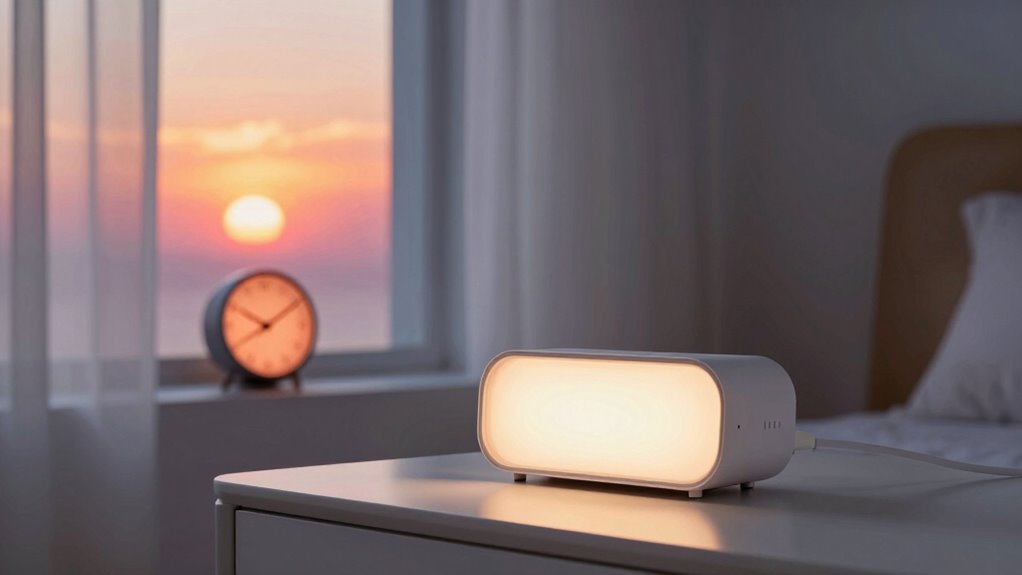
Choosing the right light therapy device can considerably impact how effectively you manage seasonal affective disorder. You’ll want to take into account a few key factors to find the best fit for your needs. First, assess the light intensity; most effective devices emit at least 10,000 lux, but your personal sensitivity might require a different level. Second, think about device portability—if you travel or like flexibility, a compact, lightweight option is ideal. Lastly, consider how you’ll use it daily: do you prefer a fixed setup or one you can move around easily? The light intensity of the device is crucial to ensure you receive enough brightness for benefits, especially if you have specific sensitivities or preferences. Additionally, understanding the light timing can help optimize your mood and energy levels throughout the day. Being aware of light exposure patterns can further enhance the effectiveness of your light therapy routine. Incorporating appropriate timing into your routine can help you maximize the benefits of light therapy and support your overall well-being. Proper light exposure management can also prevent potential side effects and ensure consistent results.
Setting Up Your Sunrise Clock for a Better Morning Wake-Up

To wake up feeling refreshed, you need to set your sunrise clock at the right time. Adjust the brightness levels so the gradual light feels natural and energizing. Fine-tuning these settings helps you start each day on the right foot. Incorporating a gradual light increase feature can also enhance your wake-up experience by mimicking natural sunrise patterns. Additionally, understanding light timing principles can optimize your overall mood and energy levels throughout the day. Knowing the optimal light exposure duration can further improve your circadian rhythm and overall well-being. Paying attention to vehicle lighting cues during the day can also support your body’s natural rhythms and boost your daily energy. Recognizing the role of artificial light in indoor environments can help you better manage your exposure and improve sleep quality.
Optimal Sunrise Timing
Setting your sunrise clock to the right time can make a significant difference in how naturally you wake up feeling refreshed. To optimize your mornings, schedule the sunrise to start just before your usual wake-up time, aligning with your circadian rhythms. Avoid light pollution from streetlights or screens, which can interfere with the clock’s effectiveness. Consistency is key—set your sunrise to rise at the same time each day to reinforce your biological clock. If you wake up earlier or later seasonally, adjust accordingly to stay in sync with natural light patterns. Remember, the goal is to mimic natural dawn, helping your body progression smoothly from sleep to wakefulness. Proper timing can improve mood, energy, and overall sleep quality. Maintaining a consistent sleep schedule supports the effectiveness of your sunrise clock and promotes better overall health.
Adjusting Brightness Levels
Adjusting the brightness levels on your sunrise clock is essential for creating an effective and natural wake-up experience. Use the dimming controls to set the light intensity to a comfortable level, mimicking sunrise gradually. Proper brightness calibration guarantees you don’t wake up too suddenly or feel underwhelmed. Start by increasing the brightness slowly during your setup, paying attention to how your body responds. If the light feels too harsh, dial it down using the dimming controls. Conversely, if it’s too dim, increase the brightness until you find a gentle but noticeable illumination. Regularly check and adjust the brightness calibration as needed, especially if you change seasons or your sleeping environment. This ensures your wake-up routine remains soothing and effective.
Safe and Effective Ways to Use Your Light Therapy Devices
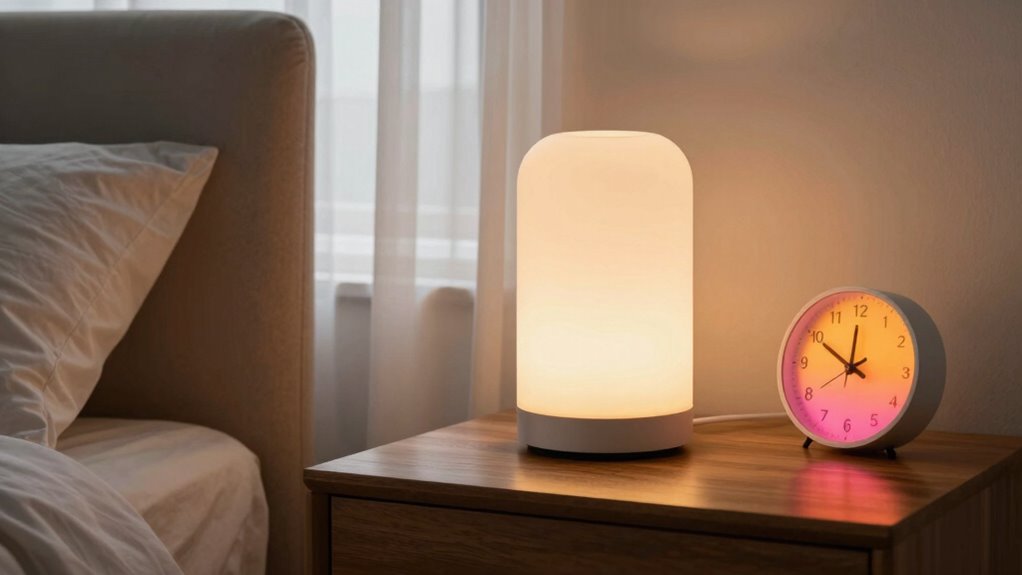
Using your light therapy device safely and effectively is essential for achieving the best results. Proper light exposure helps regulate your circadian rhythm, boosting mood and energy. To do this, follow these tips:
Ensure safe, effective use of your light therapy device to boost mood and energy naturally.
- Use the device at the same time each day, preferably in the morning, to align with your circadian rhythm.
- Start with shorter sessions, around 20 minutes, and gradually increase as needed, ensuring the light isn’t too intense.
- Keep a safe distance from the light source and avoid staring directly into it to prevent eye strain or discomfort.
When and How to Time Your Light Exposure for Maximum Benefits

To get the most out of your light therapy, you need to time your exposure correctly. You should focus on morning light, set appropriate durations, and stay consistent daily. Doing so helps improve your mood and energy levels effectively.
Morning Light Timing
Timing your light exposure correctly can make a significant difference in how effective SAD lamps and sunrise clocks are. To maximize benefits, aim to wake up and get light exposure shortly after sunrise during the twilight hours. Early morning light helps reset your circadian rhythm and boosts mood. Be mindful of light pollution, which can diminish the effectiveness of your light therapy if you’re exposed to ambient artificial light too late or too early. Ideally, position your lamp or wake-up light to avoid interference from streetlights or indoor lighting that’s still on. Consistency is key—try to expose yourself at the same time each morning. This routine helps your body adapt and ensures you receive the full benefits of your light therapy.
Duration of Exposure
The duration of your light exposure plays a crucial role in maximizing the benefits of SAD lamps and sunrise clocks. The recommended light duration depends on your needs, but generally, about 20 to 30 minutes each morning is effective. Longer exposure isn’t always better and can sometimes cause discomfort or eye strain. Pay attention to how your body responds and adjust accordingly. Consistent light duration helps your body adapt to the schedule, boosting mood and energy levels. If you’re using a SAD lamp, ensure it’s positioned at an appropriate distance—usually about 16 to 24 inches—and turned on for the prescribed time. Remember, the key is to find the right light duration that fits your routine while providing the maximum benefit.
Consistency for Results
Consistent timing of your light exposure is essential for achieving ideal results with SAD lamps and sunrise clocks. Maintaining a regular schedule helps your body adapt to seasonal adjustments and maximizes the benefits of light exposure. To get the most out of your routine:
- Stick to the same time each morning, even on weekends, to reinforce your circadian rhythm.
- Adjust your light exposure gradually if daylight hours change, supporting seasonal adjustments.
- Use your device consistently, whether for sunrise simulation or midday light therapy, to reinforce mood and energy regulation.
Common Problems With Light Therapy Devices and How to Fix Them

Light therapy devices can sometimes encounter issues that disrupt their effectiveness, but many problems are simple to troubleshoot and fix. Device malfunctions often stem from poor maintenance or incorrect setup. To keep your device working smoothly, regularly clean the panels and check for loose wires. If your device isn’t turning on, verify the power source and replace batteries if needed. Here’s a quick guide:
| Issue | Solution |
|---|---|
| Light flickering or dim | Clean the light surface; ensure proper positioning. |
| Device won’t turn on | Check power connections; replace batteries if applicable. |
| Inconsistent brightness | Adjust settings or reset the device. |
Following these maintenance tips helps guarantee your device functions properly, providing reliable light therapy.
Additional Tips to Enhance Your Light Therapy Routine

To get the most out of your light therapy, stick to a consistent sleep schedule, even on weekends. This helps regulate your body’s internal clock and boosts the therapy’s effectiveness. Also, try to maximize your exposure to natural light during the day to support your overall mood and energy levels.
Consistent Sleep Schedule
Establishing a regular sleep schedule is essential for maximizing the benefits of your light therapy routine. Consistent sleep supports good sleep hygiene and helps regulate your circadian rhythm, which is vital for mood and energy levels. Going to bed and waking up at the same time each day reinforces your body’s internal clock, making light therapy more effective. To improve your sleep schedule, consider these tips:
- Limit screen time before bed to avoid disrupting melatonin production.
- Create a calming bedtime routine to signal your body it’s time to sleep.
- Avoid caffeine and heavy meals late in the evening.
Sticking to a steady sleep schedule enhances your circadian rhythm, amplifying the positive effects of your light therapy and helping you feel more energized and balanced throughout the day.
Maximize Natural Light
Maximizing your exposure to natural light is a simple yet effective way to boost your light therapy results. Spend time outdoors during the day, especially in the morning, to help regulate your circadian rhythm. Keep indoor plants near windows; they not only brighten your space but also improve mood and air quality. Make sure your windows are unobstructed to let in as much sunlight as possible. Sunlight triggers your skin to produce Vitamin D, which supports mood regulation and immune function. If natural light is limited, consider supplementing with a daylight simulator or SAD lamp during the day. By prioritizing natural light, you enhance your overall well-being and support your light therapy routine’s effectiveness.
Incorporating Light Therapy Into Your Winter Days
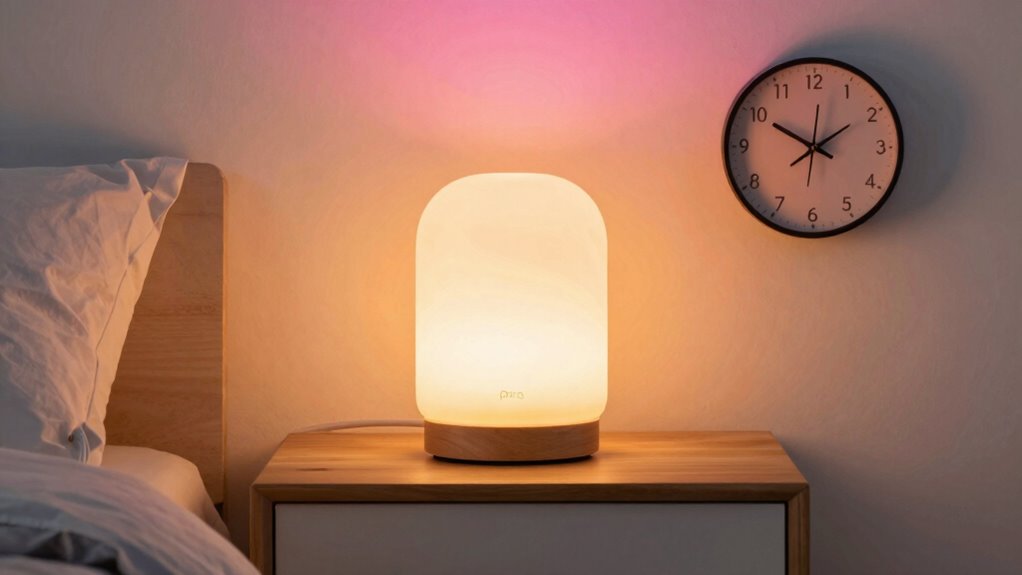
During the darker months, integrating light therapy into your daily routine can markedly boost your mood and energy levels. To combat seasonal depression and counteract light pollution, set aside time each morning to use a SAD lamp or sunrise clock. Consistent exposure helps regulate your circadian rhythm and lifts your spirits.
Consider these tips:
- Use a SAD lamp for 20-30 minutes each morning, ideally near eye level.
- Combine light therapy with outdoor walks during daylight hours.
- Avoid bright screens before bedtime to improve overall sleep quality.
Incorporating light therapy can be simple yet effective, helping you feel more energized and less affected by the reduced natural light during winter.
Frequently Asked Questions
Can I Use SAD Lamps or Sunrise Clocks While Sleeping?
No, you shouldn’t use SAD lamps or sunrise clocks while sleeping. Doing so can compromise sleep safety, as the bright light might disturb your rest or cause eye strain. Always place these devices at a safe distance and avoid having them directly in your line of sight during sleep. Using them only when awake guarantees you get the benefits without interfering with your sleep quality or safety.
How Long Should I Use My Light Therapy Device Daily?
You should aim for about 20-30 minutes of light exposure daily with your therapy device. Research shows that consistent daily use can improve mood and energy levels. The ideal timing depends on your schedule—morning use aligns with natural sunlight and helps regulate your circadian rhythm. Stick to this routine, and you’ll likely notice positive effects within a week or two.
Are There Any Side Effects From Light Therapy Devices?
Yes, there can be side effects from light therapy devices, like light sensitivity and eye strain. You might notice discomfort if the light is too bright or if you have sensitive eyes. To mitigate these issues, start with shorter sessions and gradually increase exposure. If you experience persistent eye discomfort or headaches, consult a healthcare professional. Always follow device instructions to ensure safe and effective use.
Can I Combine Light Therapy With Medication or Therapy?
Yes, you can combine light therapy with medication or therapy, and many find it enhances their treatment. Combining treatments is generally safe and can improve therapy compatibility, especially for conditions like seasonal affective disorder. However, it’s best to consult your healthcare provider before starting or adjusting any treatments. They can ensure your combined approach is safe and tailored to your specific needs, maximizing benefits while minimizing potential side effects.
What Should I Do if My Light Therapy Device Stops Working?
If your light therapy device stops working, start by checking the power source and inspecting the bulb or LEDs for damage. Perform basic device troubleshooting, such as resetting it or ensuring it’s properly plugged in. If issues persist, review the warranty claims process and contact the manufacturer for repairs or replacement. Keep your purchase receipt handy, and follow their instructions to resolve the problem efficiently.
Conclusion
By timing your light therapy carefully, you can boost your mood and energy all winter long. Imagine waking up with a sunrise clock that gradually brightens your room, helping you feel more alert and cheerful. For example, Sarah started using her sunrise clock last winter and noticed her mood improved within weeks. With the right device and routine, you too can brighten your days and beat Seasonal Affective Disorder.