
Light language is a sacred form of communication that combines glossolalia, artistic expression, and channeling to transmit divine energy and wisdom. It involves flowing sounds, tones, or symbols beyond ordinary speech, helping you connect with higher guidance and activate energetic fields. Many see it as a way to access deeper consciousness and healing. If you keep exploring, you’ll discover how it can transform your spiritual journey and inner experience.
Key Takeaways
- Light language resembles glossolalia but is often intentional, channeling divine energy rather than spontaneous speech.
- It functions as a sacred art form, channeling higher energies and embodying creative spiritual expression.
- Many see light language as a form of channeling, connecting with guides, higher selves, or divine realms.
- Unlike traditional art, light language involves energetic sounds and symbols that activate spiritual and healing energies.
- It transcends mere speech or art, serving as a spiritual dialogue and energetic transmission beyond ordinary language.
Have you ever heard of light language? It’s a form of spiritual communication that many believe taps into sacred sounds beyond ordinary speech. You might think of it as a mystical or divine way of expressing messages that words alone can’t fully capture. Light language often appears as a series of flowing sounds, tones, or symbols that seem to come from a higher, non-verbal realm. Some see it as a form of glossolalia—speaking in tongues—that originates from a spiritual source rather than personal intention. Others interpret it as a form of art, a creative expression that channels energy and consciousness through sound and movement. No matter how you see it, light language invites you to explore deeper levels of connection with yourself and the universe.
People who practice light language often describe it as sacred sounds—vibrations that carry divine energy and wisdom. These sounds are believed to activate specific energetic fields within you, opening channels for spiritual communication. When you engage with light language, you’re not just speaking or listening; you’re participating in a sacred exchange that can elevate your consciousness. Many practitioners say that listening to or speaking light language helps dissolve barriers, promoting healing and clarity. It’s a way to transcend the limitations of spoken language, allowing spiritual messages to flow freely through your voice or intuition.
Some see light language as channeling, where you act as a conduit for higher beings, guides, or your own higher self. In this state, you might find yourself uttering sounds or symbols that feel unfamiliar but resonant. This process can feel like a dialogue with the divine, an intimate form of spiritual communication that bypasses mental filters. It’s not about intellectual understanding but about resonance and feeling. When you tap into light language, you might notice shifts in your energy, emotional releases, or a sense of connection that’s hard to put into words. It’s an experience rooted in trust, surrender, and openness to receiving sacred sounds from beyond your usual awareness.
Additionally, the practice of light language can facilitate cellular renewal and promote overall wellbeing by activating your body’s natural healing mechanisms. Whether you view light language as glossolalia, an art form, or a channeling practice, one thing’s clear: it holds a unique power to bridge worlds—linking your physical self to divine energies. It invites you to explore your spiritual communication in ways that go beyond traditional language, opening a channel for sacred sounds that can transform your inner landscape. Embracing light language means allowing yourself to be a vessel for divine expression and access the deep wisdom carried within those sacred sounds.

Guided Visual Meditation Tool, Mindfulness Breathing Light with Sound, Stress & Anxiety Relief Items, Relaxing Self Care Gift for Kids, Adults, Women, Men
Guided Visual Meditation Breathing Light: Our "Breathing light" imports 6 relaxing white noise from nature sounds and 3…
As an affiliate, we earn on qualifying purchases.
As an affiliate, we earn on qualifying purchases.
Frequently Asked Questions
Can Anyone Learn to Speak Light Language?
You can learn to speak light language through a dedicated learning process that involves practicing vocal techniques. While some people seem naturally inclined, anyone can develop their ability with patience and consistent effort. Focus on exploring your voice, releasing self-judgment, and trusting your intuition. Over time, you’ll find yourself more comfortable expressing this unique language, making it accessible to anyone willing to dedicate time and openness to the experience.
Is Light Language Scientifically Proven or Just Spiritual Belief?
You might wonder if light language has scientific validation or is just based on spiritual beliefs. Currently, there’s no conclusive scientific evidence confirming its validity, as studies are limited and often subjective. Many see it as a spiritual or artistic expression, while others seek scientific proof. If you’re exploring light language, consider both perspectives, understanding that its recognition largely depends on personal belief rather than scientific validation.
How Does Light Language Differ Across Cultures?
You’ll notice that light language varies greatly across cultures due to cultural variations and linguistic differences. Each culture interprets and practices it uniquely, influenced by their spiritual beliefs and traditions. For example, some may see it as sacred speech, while others view it as artistic expression. These differences highlight how diverse cultural contexts shape the way light language is understood and used, enriching its spiritual and cultural significance worldwide.
Can Light Language Be Used for Healing Purposes?
You might wonder if light language can be used for healing purposes. It’s believed that through energy transmission and vibrational healing, light language helps to balance your energetic field. When you speak or listen to it, you could activate your body’s natural healing mechanisms, releasing blockages and promoting well-being. Many find that this form of communication opens up a channel for spiritual and emotional healing, making it a powerful tool for holistic health.
What Are the Common Misconceptions About Light Language?
Oh, the joys of misconceptions! You might think light language is just gibberish or random sounds, but its linguistic origins are quite fascinating. Many cultural misconceptions label it as mere nonsense, ignoring its deep spiritual or artistic roots. Instead of dismissing it, explore how these varied origins influence your perceptions. Don’t fall for the myth that it’s only a form of glossolalia—there’s much more beneath the surface, waiting to be uncovered.
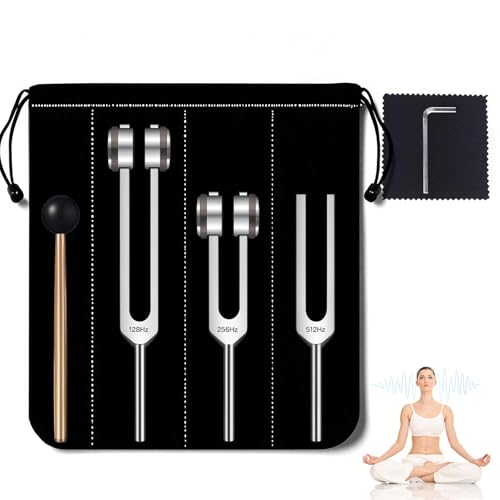
Tuning Forks for Healing Set – 128Hz 256Hz 512Hz Frequency Healing Devices, Aluminum Alloy Chakra Balancing Tools with Carrying Pouch & Mallet for Sound Therapy, Meditation & Yoga
3-Frequency Therapeutic Combo:Includes 128Hz, 256Hz, 512Hz forks for targeted energy healing, chakra alignment, and sound therapy practices.
As an affiliate, we earn on qualifying purchases.
As an affiliate, we earn on qualifying purchases.
Conclusion
So, next time you hear someone speak in light language, ask yourself: is it just art, or something deeper? Whether you see it as glossolalia, art, or channeling, it invites you to open your mind to new possibilities. Could this mystical language be a bridge to higher consciousness or a creative expression? Embrace the mystery and decide what it truly means for your spiritual journey. After all, isn’t every language worth understanding?

Dragon Wisdom: Quantum Leap Your Spiritual Evolution with the Dragon Crystal Guardians
As an affiliate, we earn on qualifying purchases.
As an affiliate, we earn on qualifying purchases.
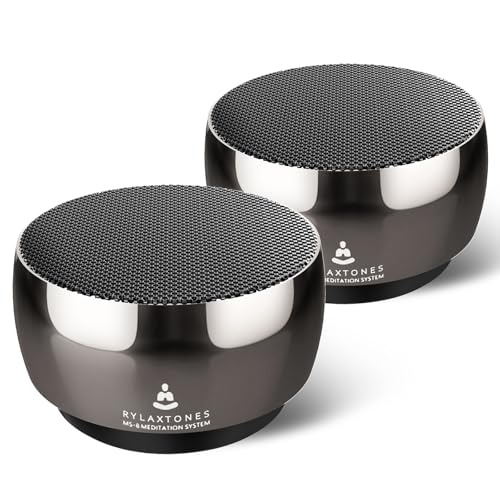
Rylaxtones Meditation System,Electronic Tibetan Singing Bowl,Sound Bath Machine for Meditation,Mindfulness,Sound Bath,Chakra Healing, Stress Relief,Sound Therapy,Yoga Practice,Relaxation
【Authentic Tibetan Singing Bowl Sound Experience】: Experience the timeless resonance of a Tibetan singing bowl, reimagined in a…
As an affiliate, we earn on qualifying purchases.
As an affiliate, we earn on qualifying purchases.