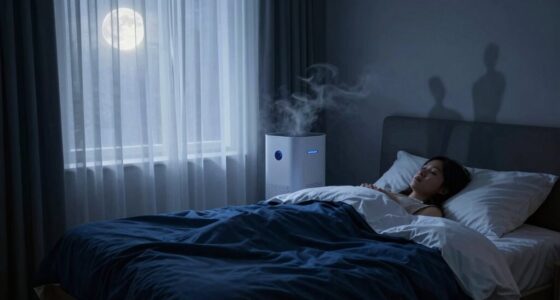

Sleep paralysis happens when you wake up during the transition between dreaming and wakefulness, leaving you temporarily unable to move or speak. During these episodes, your mind stays alert while your body remains immobilized, often accompanied by vivid hallucinations and feelings of pressure or fear. It’s linked to disrupted sleep patterns and can be triggered by stress, poor sleep hygiene, or underlying sleep disorders. Understanding what causes it can help you manage and reduce future episodes; learn more to explore effective strategies.
Key Takeaways
- Sleep paralysis occurs during the transition between wakefulness and REM sleep, causing temporary muscle atonia while the mind remains alert.
- It often involves vivid hallucinations and a sense of pressure, reflecting the boundary between dreaming and waking states.
- Disrupted sleep patterns and stress can increase the likelihood of experiencing sleep paralysis episodes.
- Recognizing sleep paralysis as a normal sleep phenomenon helps differentiate it from other sleep disorders.
- Improving sleep hygiene and managing underlying conditions can help reduce episodes and ease the transition between wakefulness and dreams.
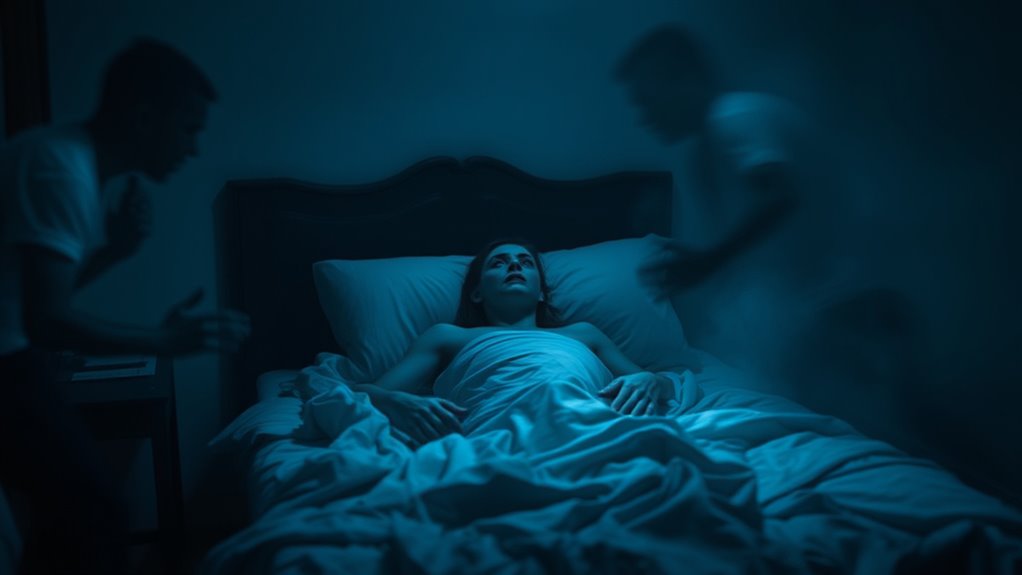
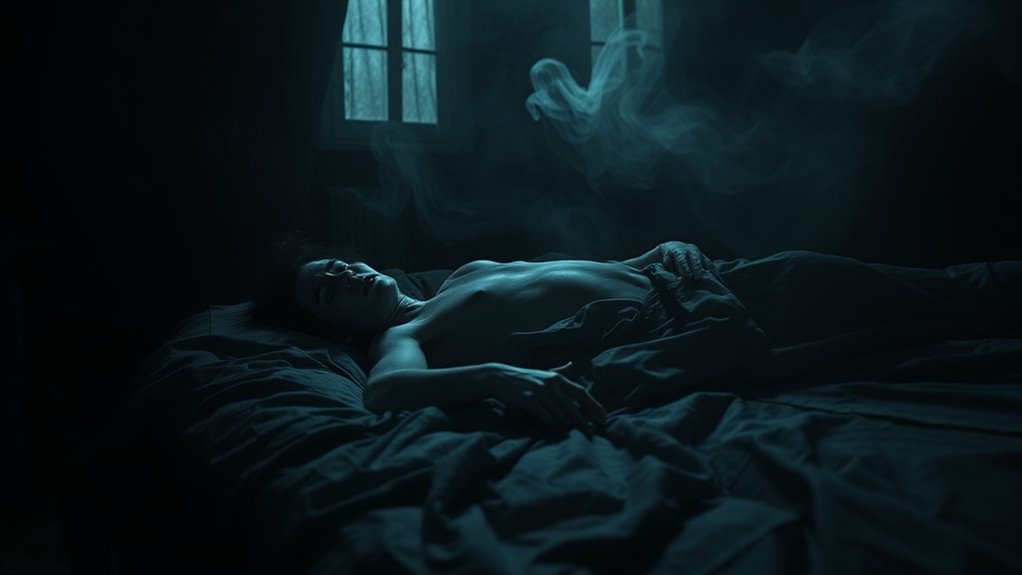
Sleep paralysis occurs when you temporarily lose the ability to move or speak while falling asleep or waking up. During this unsettling state, your mind remains alert, but your body is immobilized, often accompanied by vivid nightmares and hallucinations. These hallucinations can feel extremely real, sometimes making you believe there’s a presence in the room or that you’re under threat. It’s a frightening experience that can leave you anxious about falling asleep again, creating a cycle that worsens over time. Understanding what triggers these episodes is key to managing them effectively.
Sleep paralysis locks you in a state of immobilization with vivid, frightening hallucinations and nightmares.
One major factor contributing to sleep paralysis is disrupted sleep patterns. When your sleep cycle is irregular—due to stress, shift work, or poor sleep hygiene—you’re more likely to experience episodes. Nightmares can also play a pivotal role in triggering hallucinations during sleep paralysis. These intense, frightening dreams can bleed into your consciousness as you wake, leaving behind lingering feelings of fear and confusion. The hallucinations during sleep paralysis aren’t just visual; they can involve sounds, sensations of pressure, or even a sense of suffocation. Recognizing these symptoms as part of a sleep disorder can help you differentiate between normal nightmares and episodes of sleep paralysis.
Managing sleep paralysis involves addressing its underlying causes. Sleep disorder treatments are vital, especially if episodes happen frequently or interfere with your daily life. Improving your sleep hygiene—such as maintaining a consistent sleep schedule, avoiding caffeine and electronics before bed, and creating a calming sleep environment—can considerably reduce occurrences. In some cases, your healthcare provider might recommend cognitive-behavioral therapy or medication to help regulate sleep patterns and lessen nightmares and hallucinations. Learning relaxation techniques like deep breathing or meditation before bed can also calm your mind, making episodes less likely. Additionally, understanding the role of cultural narratives and beliefs surrounding sleep paralysis can influence how individuals perceive and cope with these episodes.
If you find yourself experiencing sleep paralysis often, it’s important to seek professional advice. Sleep specialists can perform tests to identify underlying issues like narcolepsy or sleep apnea, which might contribute to your symptoms. Addressing these conditions with appropriate treatments can improve your quality of sleep and reduce the frequency of paralysis episodes. Remember, although sleep paralysis can be terrifying, it’s generally harmless and manageable with the right strategies. By prioritizing good sleep habits and seeking proper treatment, you can regain control over your nights and break free from the cycle of nightmares and hallucinations.

Kolbs Bed Wedge Pillow for Sleep Apnea, FSA Eligible Acid Reflux, and Back Pain Relief, with Chic Jacquard Cover – Headboard Wedges for Sleeping (Standard Width 7.5" Height)
FSA Eligible. Experience unparalleled comfort with our sleep apnea pillow, designed to elevate your upper body and improve…
As an affiliate, we earn on qualifying purchases.
As an affiliate, we earn on qualifying purchases.
Frequently Asked Questions
Can Sleep Paralysis Occur During Naps?
Yes, sleep paralysis can occur during naps, especially if your sleep cycle is disrupted or if you enter REM sleep quickly. During a nap, if you become aware while dreaming or experience lucid dreaming, you might also face sleep paralysis. It often happens when you shift between wakefulness and REM sleep, making it possible during short sleep periods like naps. Stay consistent with your sleep schedule to reduce these episodes.
Is Sleep Paralysis Linked to Mental Health Disorders?
You might be surprised to learn that sleep paralysis often links to mental health disorders like anxiety. While it’s not a direct cause, psychiatric comorbidities can increase your risk, making episodes more frequent or intense. Anxiety disorders, in particular, can heighten your stress levels, disrupting your sleep cycles. Recognizing this connection helps you seek appropriate treatment, reducing the likelihood of sleep paralysis worsening alongside your mental health challenges.
How Can I Prevent Sleep Paralysis Episodes?
To prevent sleep paralysis episodes, focus on maintaining a consistent sleep schedule and reducing stress. Avoid sleep deprivation and limit caffeine or alcohol before bed, which can cause REM sleep disruption. Practice good sleep hygiene, and manage hypnagogic hallucinations by creating a relaxing bedtime routine. These steps help regulate REM sleep and minimize the chances of experiencing sleep paralysis between wakefulness and dreams.
Does Sleep Paralysis Happen to Everyone at Some Point?
Most people experience sleep paralysis at least once, like Sarah who had a frightening episode after a stressful week. It’s common during shifts into or out of REM sleep. While some might not notice it, many, including those practicing lucid dreaming, encounter it occasionally. Improving sleep hygiene and understanding sleep cycles can reduce its frequency. So, yes, sleep paralysis can happen to everyone at some point in their lives.
Are There Long-Term Effects of Frequent Sleep Paralysis?
Frequent sleep paralysis can lead to long-term effects like anxiety and sleep disturbances. These issues often stem from neurochemical imbalances and REM sleep disruptions caused by repeated episodes. You might find yourself more prone to sleep problems or heightened fear of sleep. Managing stress, maintaining a consistent sleep schedule, and seeking medical advice can help reduce these long-term effects and improve your overall sleep quality.
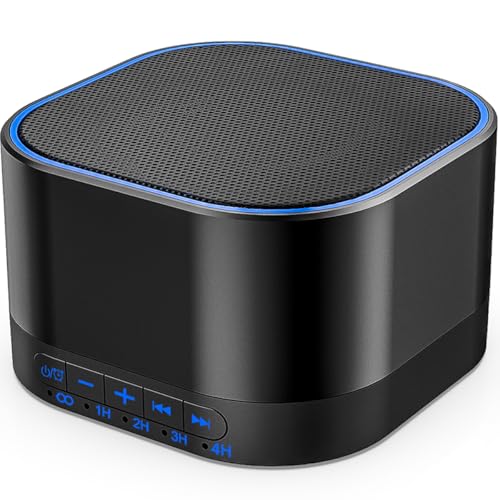
Magicteam Sound White Noise Machine with 20 Non Looping Natural Soothing Sounds and Memory Function 32 Levels of Volume Powered by AC or USB and Sleep Sound Timer Therapy for Baby Kids Adults
❤20 Non-Looping Sleep Sounds: White noise ,Brown noise, pink noise, blue noise, fan,brook, rain, ocean,bird and Bonfire,suitable for…
As an affiliate, we earn on qualifying purchases.
As an affiliate, we earn on qualifying purchases.
Conclusion
Sleep paralysis can be a terrifying experience, but understanding it helps you feel more in control. Did you know that about 8% of people experience it at some point in their lives? Imagine waking up unable to move, feeling a heavy weight on your chest, and seeing shadowy figures—all in a matter of seconds. Remember, you’re not alone, and with awareness, you can navigate these moments with calm and confidence.
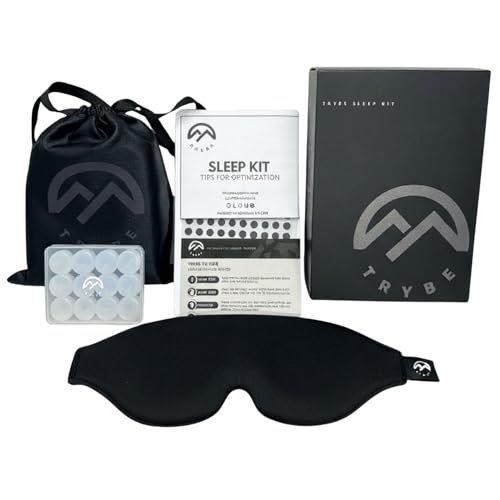
Trybe Sleep Kit, Sleep Mask, Ear Plugs, Nose Strips, and Light Covers for Travel. Sleep kit Bag and Breath and Sleep Guide for Travel, Hotels, Camping or Home (Sleep Kit) (Sleep Kit)
COMPLETE SOLUTION—Transform your nights at home or on the go with the first and only sleep kit on…
As an affiliate, we earn on qualifying purchases.
As an affiliate, we earn on qualifying purchases.

Breathing Lamp Guided Visual Meditation Tool for Mindfulness,Anxiety Relief&Calm Your Mind for Stress&Visual Relaxation and Restful Sleep,478 Seconds Breathing Rate Change 3 Colors,Gift for Kids
Breathing Lamp Function: A mindful breathing lamp is a powerful and effective tool that can help you reduce…
As an affiliate, we earn on qualifying purchases.
As an affiliate, we earn on qualifying purchases.