

You can easily boost your daily activity with small steps like switching to a standing desk, taking short breaks to stand or stretch, and choosing stairs over elevators whenever possible. Incorporate movement into your routine by setting hourly reminders or taking quick walks during breaks. These simple habits help improve posture, increase endurance, and reduce fatigue without extra time or effort. Keep going to discover more simple ways to stay active throughout your day.
Key Takeaways
- Switch to a standing desk and stand periodically during work to reduce sitting time.
- Choose stairs over elevators to strengthen legs and improve cardiovascular health.
- Use hourly reminders to stretch, stand, or take quick walks during breaks.
- Incorporate small movements into daily tasks, like pacing during calls or walking around the house.
- Make gradual, consistent adjustments to your routine to promote long-term physical activity.

Making small changes in your daily routine can considerably boost your physical activity without feeling overwhelming. One simple way to start is by rethinking your workspace. If you spend hours sitting at a desk, consider switching to a standing desk. It might seem like a minor adjustment, but standing periodically throughout the day keeps your muscles engaged and reduces the health risks associated with prolonged sitting. You don’t have to stand all day—just shifting your position regularly can make a noticeable difference. When you’re on calls or working on tasks that don’t require a computer, stand up instead of sitting. It’s a small change that can improve your posture and increase your movement, helping you burn more calories without much effort.
Another effective strategy is to incorporate taking stairs into your routine. Instead of automatically reaching for the elevator, choose the stairs whenever possible. It’s a quick, accessible way to add more activity to your day. Climbing stairs strengthens your leg muscles, improves cardiovascular health, and boosts your endurance. If you work in a multi-story building, challenge yourself to take the stairs at least a few times a day. You can start with one flight and gradually increase as you feel more comfortable. Over time, this habit becomes second nature, and you’ll find yourself feeling more energetic and less fatigued during your day.
Making these small adjustments doesn’t require a drastic overhaul of your schedule. You can integrate them seamlessly into your existing routine. For example, set a reminder to stand up and stretch or switch to the standing desk every hour. Use the opportunity to take a quick walk around your office or home. The key is consistency. Even a few minutes of standing or stair climbing here and there adds up over the course of a day and contributes to better overall health. Plus, these habits can be easily maintained because they’re simple and don’t demand special equipment or significant time commitments. Incorporating regular movement during your day is a proven way to support long-term health and well-being.
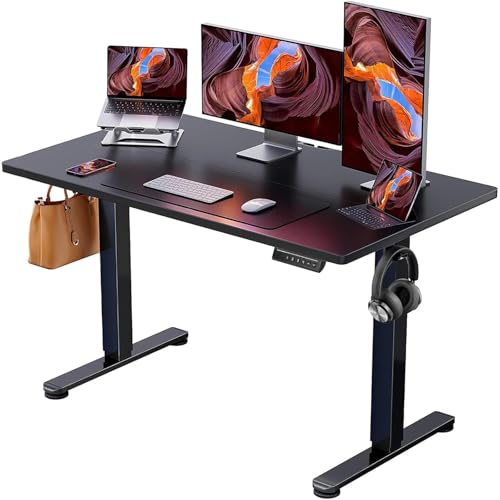
ErGear Height Adjustable Electric Standing Desk, 47.2 x 23.6 Inches Sit Stand up Desk, Memory Computer Home Office Desk (Black)
Outstanding Stability: This electric standing desk has a sturdy solid steel frame with aerospace-grade lifting column connectors (still…
As an affiliate, we earn on qualifying purchases.
As an affiliate, we earn on qualifying purchases.
Frequently Asked Questions
How Can I Stay Motivated to Increase Daily Activity?
To stay motivated to increase your daily activity, you should use motivational strategies like setting clear, achievable goals and tracking your progress. Celebrate small victories to keep your spirits high, and remind yourself of the benefits, such as better health and more energy. Find activities you enjoy, and consider working out with a friend for accountability. Consistently revisiting your goals keeps your motivation strong and helps you stay committed.
What Are Quick Exercises for Busy Schedules?
Did you know just 10 minutes of activity can boost your energy? For busy schedules, try quick exercises like stretching routines and desk exercises. You can do neck rolls, shoulder shrugs, or seated leg lifts at your desk. These small moves fit easily into your day, helping you stay active without extra time. Incorporate them during breaks to keep your body moving and boost your productivity.
How Does Physical Activity Impact Mental Health?
Physical activity boosts your mental health by releasing endorphins, which improve your mood. It also enhances mindfulness benefits, helping you stay present and reduce stress. Regular exercise can decrease anxiety and depression, making you feel more balanced. When you stay active, you’re actively supporting your mental well-being, and even quick workouts can make a noticeable difference in how you feel throughout the day.
Are There Safety Tips for Beginners Starting New Activities?
Yes, there are safety tips for beginners starting new activities. Make sure you wear proper footwear to prevent injuries and provide support. Always begin with a warm-up routine to prepare your muscles and reduce soreness. Start slowly and gradually increase intensity to avoid overexertion. Listen to your body, stay hydrated, and don’t push through pain. These steps help you stay safe and enjoy your new physical activity journey.
How Can I Track My Progress Effectively?
To track your progress effectively, start using fitness gadgets like step counters or activity trackers to monitor your daily movement. Keep a progress journal to log your workouts, feelings, and milestones. This combination helps you stay motivated, identify patterns, and make adjustments as needed. Regularly reviewing your data keeps you focused on your goals, making it easier to see how far you’ve come and stay committed to increasing your activity.

Sunny Health & Fitness Smart Foldable Cardio Stair Stepper, Vertical Climber Exercise Machine for Home Workout, Extended Step Range, 330 lbs. Max Weight, Connection w/Free SunnyFit App – SF-S024035
【FULL-BODY CARDIO & STRENGTH TRAINING】 Burn calories and build strength using your own bodyweight. Targets legs, glutes, and…
As an affiliate, we earn on qualifying purchases.
As an affiliate, we earn on qualifying purchases.
Conclusion
So, why not embrace the thrill of walking to the mailbox or taking the stairs—revolutionary acts in today’s sedentary world? Tiny steps may seem trivial, but they add up faster than your Netflix binge. Before long, you’ll be a cardio hero, all while convincing yourself it’s just “small changes.” After all, who needs a gym when you can conquer your daily routine one awkward step at a time?

TIME TIMER 12 inch Visual Timer 60 Minute Kids Desk Countdown Clock with Dry Erase Activity Card, Also Magnetic for Classroom, Homeschooling Study Tool, Task Reminder, Home and Kitchen Timer
TIME MANAGEMENT — The 60-minute learning clock helps to stay on task, and assist with organization and concentration…
As an affiliate, we earn on qualifying purchases.
As an affiliate, we earn on qualifying purchases.

10 Pack Chair Bands Stretchy Fidget Toys Bounce Kick Stretch Feet School Supply for ADHD ADD SPD Autism Improves Focus Eases Sensory Needs Back-to-School Essential
Back-to-school supply: 10 ultra resilient rubber bands for all. Compact, light, discreet, portable—take anywhere.
As an affiliate, we earn on qualifying purchases.
As an affiliate, we earn on qualifying purchases.