Switching to a plant-based diet can boost your health with a variety of nutrient-rich foods and meat alternatives that mimic flavors and textures you enjoy. It offers benefits like improved well-being and diverse culinary options. However, you need to plan carefully to get all essential nutrients, such as vitamin B12 and omega-3s, which can be challenging. If you want to discover how to make this lifestyle balanced and enjoyable, keep exploring the options outlined here.
Key Takeaways
- Plant-based diets boost health by providing diverse, nutrient-rich foods and meat alternatives that mimic traditional flavors and textures.
- Proper planning ensures all essential nutrients, including protein, iron, calcium, vitamin B12, and omega-3s, are adequately obtained.
- Challenges like nutrient gaps are manageable through education, food choices, fortified products, and supplements when necessary.
- Incorporating a variety of whole plant foods promotes long-term wellness, flavor exploration, and culinary diversity.
- Emphasizing wholesome, nutrient-dense foods supports sustained health benefits and a balanced, enjoyable plant-based lifestyle.
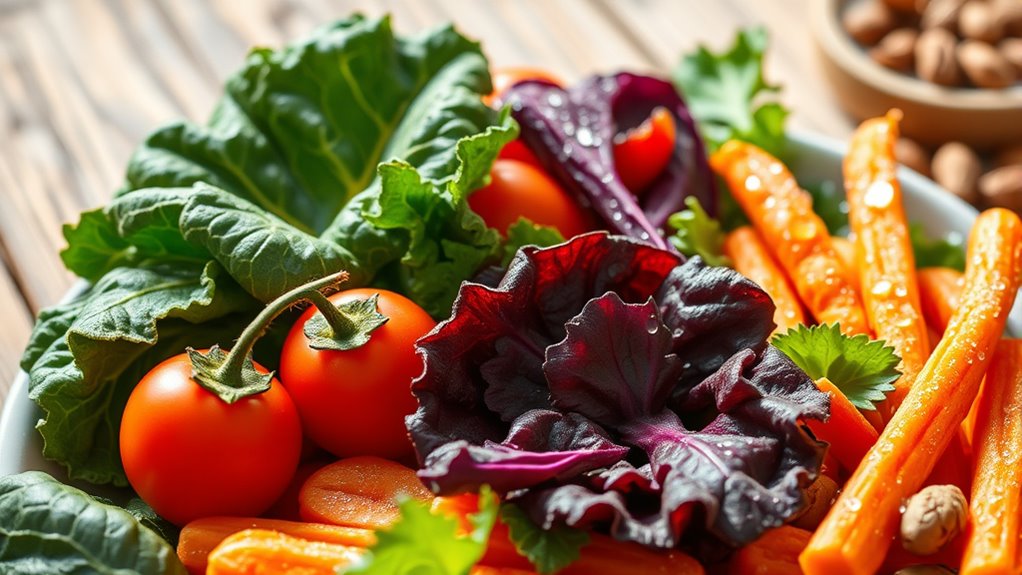
Have you ever wondered how switching to a plant-based diet can boost your health and well-being? One of the main benefits is exploring a variety of meat alternatives that can mimic the taste and texture of animal products. These options aren’t just for vegans; they’re a smart way to incorporate more plant-based foods into your meals without sacrificing flavor. Meat alternatives like tofu, tempeh, seitan, and plant-based patties are packed with protein, making them excellent substitutes that help you meet your nutritional needs. Many of these products are fortified with essential vitamins and minerals, guaranteeing you get vital nutrients even when you cut back on traditional meats.
Nutritional completeness is often a concern when shifting away from animal products, but it’s entirely manageable with the right planning. A well-balanced plant-based diet can provide all the nutrients your body needs, including protein, iron, calcium, vitamin B12, and omega-3 fatty acids. For instance, combining legumes, grains, nuts, and seeds can deliver complete proteins, which contain all nine essential amino acids your body needs for muscle repair and overall health. Fortified foods and supplements can help fill in any gaps, especially for nutrients like vitamin B12, which is primarily found in animal products. With a conscious selection of foods, you can enjoy a diet that’s both diverse and nutritionally complete.
Switching to plant-based eating does require some awareness, but it’s also an opportunity to diversify your diet and discover new flavors. Incorporating meat alternatives makes meals more interesting and accessible, especially if you’re transitioning from a meat-heavy diet. Many plant-based products are designed to satisfy cravings for familiar textures and tastes, making the change smoother. Plus, focusing on whole foods like vegetables, fruits, grains, beans, and nuts ensures you’re getting fiber, antioxidants, and other health-promoting compounds that support your overall well-being.
While some challenges exist, such as ensuring adequate nutrient intake and finding suitable replacements, they’re easily addressed through education and planning. As you learn more about plant-based nutrition, you’ll find it easier to create meals that are both delicious and nutritionally balanced. Remember, a plant-based diet isn’t about restriction; it’s about expanding your culinary horizons and nourishing your body with wholesome, nutrient-dense foods. With the right choices, you can enjoy great health, vibrant energy, and delicious meals that support your long-term wellness.
Top picks for "plant nutrition benefit"
Open Amazon search results for this keyword.
As an affiliate, we earn on qualifying purchases.
Frequently Asked Questions
How Can I Ensure Adequate Protein Intake on a Plant-Based Diet?
To guarantee adequate protein intake on a plant-based diet, you should focus on a variety of protein sources like beans, lentils, tofu, and quinoa. This helps you achieve a good amino acid balance, which is essential for your health. Mix different plant proteins throughout the day, and consider incorporating nuts and seeds for added nutrients. By diversifying your diet, you’ll meet your protein needs effectively.
Are There Any Risks of Nutrient Deficiencies With Plant-Based Nutrition?
Yes, nutrient deficiencies can occur with plant-based diets, especially due to soil depletion affecting mineral content in produce. To prevent this, you might need supplements for nutrients like B12, iron, or omega-3s. Regularly eating a variety of nutrient-rich plants helps, but staying aware of potential gaps guarantees you’re meeting your nutritional needs. Consult with a healthcare professional to determine if supplements are necessary for your specific diet.
What Are the Best Plant-Based Sources of Essential Vitamins and Minerals?
You can get essential vitamins and minerals from superfood varieties like kale, quinoa, and chia seeds, which are rich in nutrients. Incorporate fortified foods such as plant-based milks and breakfast cereals to bolster your intake of vitamin B12, calcium, and iron. Eating a diverse range of colorful fruits and vegetables helps guarantee you meet your nutritional needs naturally, supporting your overall health on a plant-based diet.
How Do Plant-Based Diets Impact Long-Term Health and Longevity?
Imagine sailing a ship through uncharted waters; a plant-based diet can steer you toward better long-term health and longevity. By emphasizing whole foods, you reduce your risk of chronic disease, supporting healthy aging and potentially extending your lifespan. Consuming diverse plant sources provides essential nutrients, helping prevent issues like heart disease and diabetes. Over time, this approach promotes a vibrant, resilient life, making your journey through aging smoother and more fulfilling.
Can Plant-Based Nutrition Support Athletic Performance Effectively?
Yes, plant-based nutrition can support athletic performance effectively. With a focus on plant-based endurance foods, you’ll fuel your workouts and enhance stamina. It also aids athletic recovery by providing antioxidants and anti-inflammatory compounds that reduce muscle soreness. By choosing nutrient-dense plant options, you guarantee ideal energy levels and quicker recovery, helping you stay consistent and perform at your best while enjoying the health benefits of a plant-based diet.
Conclusion
Embracing plant-based nutrition can transform your health and the planet, making a difference bigger than you ever imagined. While you’ll face challenges, like planning balanced meals, the benefits are worth it—more energy, better digestion, and a lighter footprint. Don’t let doubts hold you back; your choices can ignite a ripple effect that changes everything. Take the leap, and watch your life flourish like a garden in full bloom—vibrant, resilient, and full of promise.