

To connect authentically with a global audience, embracing diversity and inclusion in your marketing is essential. By showcasing different cultures, backgrounds, and identities, you build genuine relationships with consumers. Use respectful visuals, inclusive language, and products that meet diverse needs. This approach not only broadens your reach but also fosters trust and loyalty. If you keep exploring, you’ll discover how strategic diversity can elevate your brand and keep you ahead in a competitive world.
Key Takeaways
- Authentic cultural representation fosters trust and relatability with diverse global audiences.
- Inclusive branding strategies ensure visuals and messaging respect and empower different demographics.
- Embracing diversity helps brands access new markets and stay culturally relevant.
- Avoiding tokenism by genuine storytelling promotes a sense of belonging among consumers.
- Continuous feedback and adaptation enhance inclusivity and reflect evolving societal values.
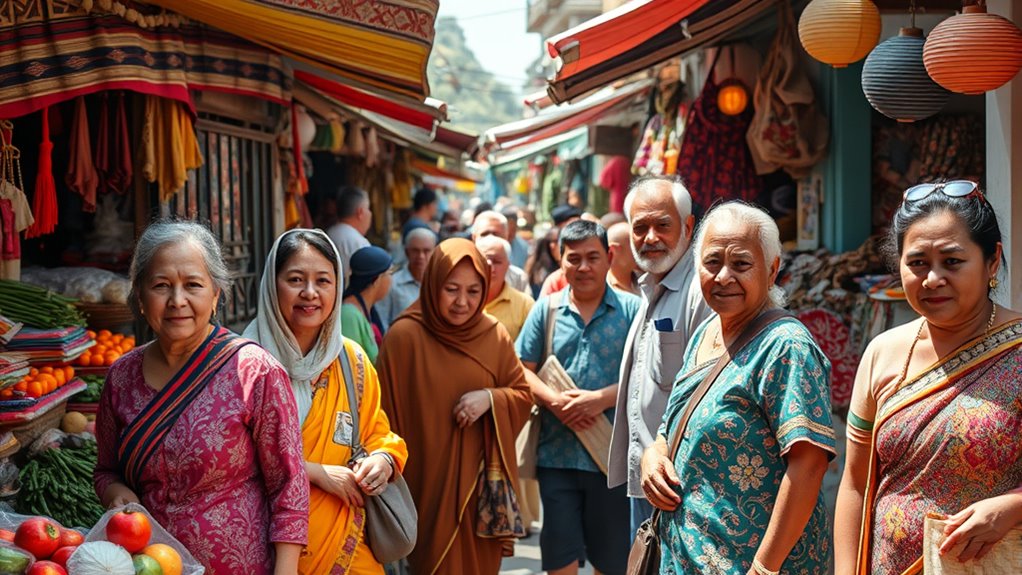
Diversity and inclusion have become essential pillars for successful marketing strategies today. When you prioritize these elements, you’re not just ticking boxes—you’re building genuine connections with your audience. One of the most effective ways to do this is through thoughtful cultural representation. By showcasing different cultures, backgrounds, and identities in your campaigns, you demonstrate respect and understanding for the diverse world we live in. This isn’t about tokenism; it’s about authentically reflecting the variety of experiences your audience has. When your marketing materials feature diverse faces, stories, and traditions, you help break down stereotypes and foster a sense of belonging among all consumers. This approach encourages loyalty and trust, which are invaluable in today’s competitive landscape.
Inclusive branding plays an *indispensable* role in this process. It’s about designing your brand’s identity—your messaging, visuals, products, and voice—in a way that appeals to a broad spectrum of people. When you adopt an inclusive branding strategy, you’re making a conscious effort to avoid exclusivity and marginalization. Instead, you craft a brand that feels welcoming and relatable to everyone, regardless of race, gender, age, ability, or background. This means using language that is respectful and empowering, choosing visuals that represent different demographics, and ensuring your products meet the needs of diverse consumers. It also involves listening to feedback from various communities to refine your approach continuously. By doing so, you show that your brand values diversity and genuinely cares about inclusivity, which can *considerably* enhance your reputation.
Additionally, incorporating elements like adaptive marketing strategies can help ensure your campaigns resonate across different cultural contexts and audience segments. Including diverse perspectives in your marketing efforts isn’t just the right thing to do; it’s a strategic move that can open new markets and increase your reach. When you intentionally incorporate cultural representation into your campaigns, you’re sending a powerful message that your brand is modern, open-minded, and adaptable. This can resonate deeply with audiences who see themselves reflected in your content, making your brand feel more personal and trustworthy. *Furthermore*, embracing inclusive branding helps you stay ahead of cultural trends and societal shifts, ensuring that your marketing remains relevant and respectful. Ultimately, by weaving diversity and inclusion into your marketing DNA, you create a more authentic, relatable brand that appeals to a global audience. This isn’t just good ethics—it’s good business, and it positions you for long-term success.
Frequently Asked Questions
How Can Small Businesses Effectively Implement Diversity in Marketing?
You can effectively implement diversity in marketing by creating inclusive messaging that resonates with diverse audiences. Engage your community through local events, social media, and partnerships that reflect different backgrounds. Listen to your customers’ stories and feedback, then adapt your content accordingly. Show genuine commitment to inclusivity, making everyone feel seen and valued. This approach not only broadens your reach but also builds trust with diverse segments.
What Are Common Pitfalls to Avoid When Promoting Inclusion?
You can easily fall into the trap of tokenism pitfalls and stereotyping, which can damage your brand’s credibility. Avoid stereotypes to prevent alienating your audience and don’t use inclusion as a checkbox. Instead, genuinely highlight diverse stories and voices. Be authentic, respectful, and mindful of cultural nuances. Ignoring these pitfalls risks appearing superficial and insincere, which is like building a house on quicksand—destined to collapse.
How Does Cultural Sensitivity Impact Global Marketing Strategies?
Cultural sensitivity greatly impacts your global marketing strategies because understanding cultural nuances guarantees your message resonates without causing offense. You need to navigate language barriers carefully, using appropriate translations and context-specific messaging. When you respect cultural differences, your campaigns feel authentic and inclusive, building trust with diverse audiences. Failing to take these factors into account risks miscommunication, alienating potential customers, and damaging your brand’s reputation across different markets.
What Metrics Measure Success in Diversity Initiatives?
You might think diversity metrics are the only way to measure success, but success indicators truly reveal the impact of your initiatives. You should track representation across demographics, engagement rates, and inclusion surveys to see if diverse voices are thriving. Research shows that diverse teams and inclusive environments boost innovation, so regularly evaluating these metrics helps you understand if your diversity efforts are genuinely transforming your company culture and audience reach.
How Can Brands Ensure Authenticity in Their Inclusion Efforts?
You can guarantee authenticity in your inclusion efforts by prioritizing authentic storytelling and genuine representation. Share real stories from diverse voices and avoid stereotypes or tokenism. Engage with communities directly to understand their perspectives, and incorporate their feedback into your campaigns. When your messaging reflects true experiences and values, your brand builds trust and credibility, demonstrating a sincere commitment to inclusion that resonates with a global audience.
Conclusion
So, after all this talk about diversity and inclusion, isn’t it funny how some brands still overlook the obvious? You’d think reflecting a global audience would be second nature, yet many miss the mark entirely. It’s almost ironic—how something so essential remains overlooked, leaving audiences feeling unseen. But hey, if you want genuine connection, maybe it’s time to put diversity front and center, instead of treating it like an afterthought. After all, isn’t that what true inclusivity is about?