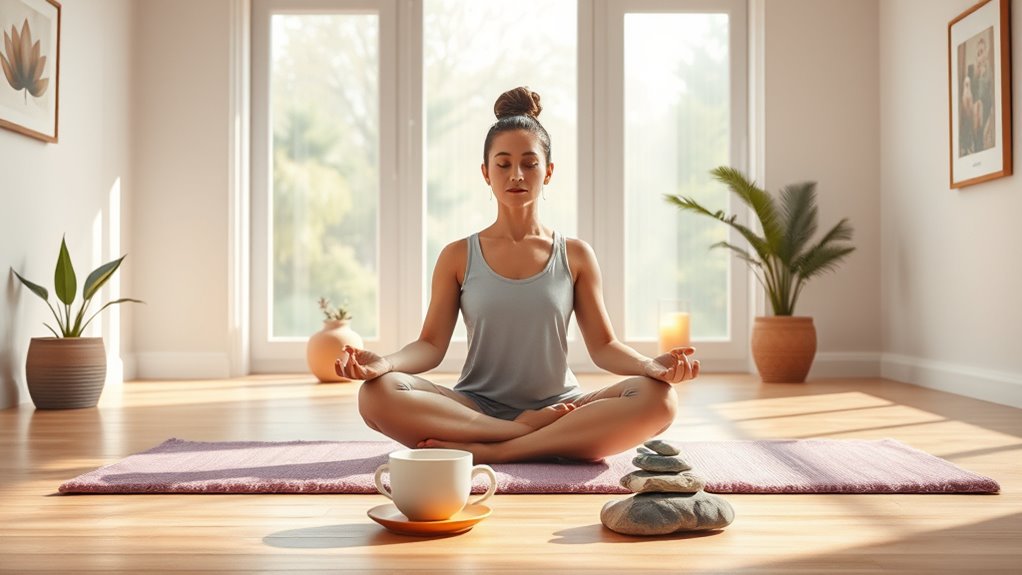

To master stress management, start by practicing mindfulness regularly—taking a few minutes daily to focus on the present can greatly reduce anxiety and improve emotional resilience. Combine this with effective time management, like prioritizing tasks and setting realistic goals, to prevent feeling overwhelmed. Pausing for mindfulness during the day can help you re-center and adjust your priorities as needed. Keep exploring these techniques to create habits that support your well-being and maintain balance.
Key Takeaways
- Incorporate daily mindfulness meditation to enhance emotional resilience and promote calmness during stressful moments.
- Use effective time management strategies like prioritizing tasks and setting realistic goals to reduce overwhelm.
- Break large projects into manageable steps to prevent chaos and maintain control over responsibilities.
- Start your day with mindfulness to set clear intentions and improve focus throughout the day.
- Pause periodically for mindfulness practices to re-center, reevaluate priorities, and proactively manage stress.

Stress is an unavoidable part of life, but managing it effectively can improve your overall well-being. One of the most powerful tools you can use is mindfulness meditation. This practice encourages you to focus on the present moment, observing your thoughts and feelings without judgment. By dedicating just a few minutes each day to mindfulness meditation, you can reduce feelings of anxiety and increase your sense of calm. As you become more mindful, you’ll notice that stressful situations don’t overwhelm you as easily, because you’re better equipped to respond thoughtfully instead of reacting impulsively. Incorporating mindfulness meditation into your daily routine can serve as an anchor during hectic times, helping you regain focus and emotional balance. mindfulness meditation is supported by evidence that shows its effectiveness in reducing stress and enhancing emotional resilience.
Alongside mindfulness meditation, developing robust time management strategies plays an essential role in stress reduction. When your schedule feels overwhelming, stress naturally follows. By prioritizing tasks and breaking large projects into manageable steps, you minimize the chaos that often triggers anxiety. Use tools like to-do lists or digital planners to keep track of deadlines and commitments, ensuring you don’t feel overwhelmed by everything at once. Setting realistic goals and learning to say no when necessary helps maintain a sense of control, which is fundamental for managing stress. When you manage your time effectively, you create space for relaxation and self-care, preventing stress from accumulating to unmanageable levels.
Practicing these techniques together amplifies their benefits. For example, before tackling a busy day, spend a few moments in mindfulness meditation to clear your mind and set your intentions. This mental clarity makes it easier to stick to your time management strategies and stay focused. Conversely, when you notice stress creeping in during the day, pause for a brief mindfulness exercise to center yourself, then reevaluate your priorities or adjust your schedule if needed. Over time, these habits become second nature, empowering you to handle stress proactively rather than reactively.

Retrospec Sedona Zafu Meditation Cushion Filled w/Buckwheat Hulls – Yoga Pillow for Meditation Practices – Machine Washable 100% Cotton Cover & Durable Carry Handle, Crescent, Black
NATURAL COMFORT & SUPPORT: Filled with sustainable buckwheat hulls, this meditation cushion elevates your practice by aligning your…
As an affiliate, we earn on qualifying purchases.
As an affiliate, we earn on qualifying purchases.
Frequently Asked Questions
How Do I Identify My Personal Stress Triggers?
To identify your personal stress triggers, start by practicing mindfulness exercises to stay present and observe your reactions. Pay close attention to situations or thoughts that cause emotional awareness of discomfort or anxiety. Keep a journal to record when you feel stressed, noting what was happening. Over time, you’ll notice patterns, helping you recognize specific triggers and develop strategies to manage or avoid them effectively.
Can Stress Management Techniques Improve Mental Health Long-Term?
Nearly 80% of people report improved mental health with consistent stress management. Yes, techniques like mindfulness meditation and breathing exercises can lead to long-term benefits. By regularly practicing these methods, you can reduce anxiety, enhance emotional resilience, and boost your overall well-being. Incorporating simple daily routines helps rewire your brain to handle stress better, making mental health improvements sustainable over time.
Are There Specific Methods for Managing Stress at Work?
Yes, you can manage stress at work effectively by practicing mindfulness exercises like deep breathing or meditation during breaks. Additionally, improving your time management skills helps prevent feeling overwhelmed by prioritizing tasks and setting realistic goals. Incorporate short mindfulness exercises into your daily routine and plan your work schedule to stay organized. These methods help reduce stress, boost focus, and create a healthier, more balanced work environment.
How Does Diet Influence Stress Levels?
Surprisingly, your diet can be your best friend or worst enemy when it comes to stress. By maintaining a nutritional balance and making mindful dietary choices, you can actually lower your stress levels. Skip the sugary snacks and caffeine, which might seem tempting, but only make you more anxious. Instead, opt for whole foods, lean proteins, and plenty of water. Your mood and stress response will thank you for it.
What Role Does Sleep Play in Stress Reduction?
Sleep plays a vital role in reducing stress by improving your overall well-being. Prioritize sleep hygiene and establish restful routines, such as sticking to a consistent sleep schedule and creating a calming environment. When you get enough quality sleep, your body better manages stress hormones, helping you feel more relaxed and alert. Making sleep a priority supports your mental health and enhances your ability to handle daily stressors effectively.
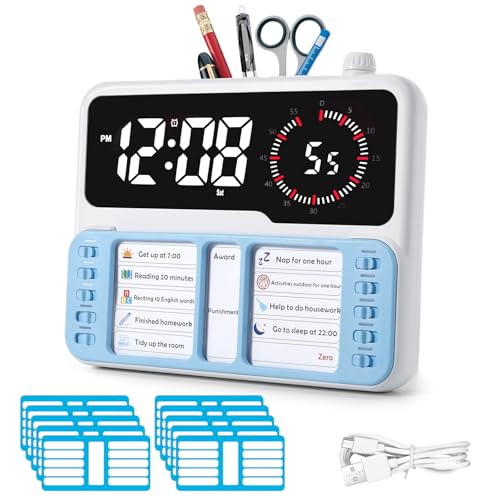
Spoottool 7-in-1 Visual Timer for Kids & Adults with Task Planner – ADHD Time Management Tool with Alarm, Countdown, Calendar, Temperature Display & Storage – Ideal for Home, School (Blue)
7-in-1 Visual Time Management Tool: Designed for kids and adults with ADHD, this multifunctional timer includes a visual…
As an affiliate, we earn on qualifying purchases.
As an affiliate, we earn on qualifying purchases.
Conclusion
So there you have it—your foolproof plan to conquer stress, or at least pretend you’re in control. Just breathe, count to ten, maybe dance like no one’s watching (even if they are), and remember, a little chaos keeps life interesting. Who needs calm when you can master the art of stress? Now go forth, stress-free—or at least stress-managed—because, let’s face it, life’s a wild ride, and you’re just trying not to lose your mind.

Stress Relief Essential Oil Blend 30 ml – Stress Relief & Calm Essential Oil for Diffusers & Aromatherapy – Promotes Relaxation & Rest – Nexon Botanics
Comforting Aroma: It helps create a fresh and pleasant ambiance.
As an affiliate, we earn on qualifying purchases.
As an affiliate, we earn on qualifying purchases.

Mindsight 'Breathing Buddha' Guided Visual Meditation | 3 Modes to Slow Your Breathing & Calm Your Mind | Stress & Anxiety Relief | Wellness Gift | Adults, Kids, Classrooms | USB Rechargeable
🧠 Introducing (6) Ambient Nature Sounds: the addition of crashing waves, birds chirping or a strong breeze can…
As an affiliate, we earn on qualifying purchases.
As an affiliate, we earn on qualifying purchases.