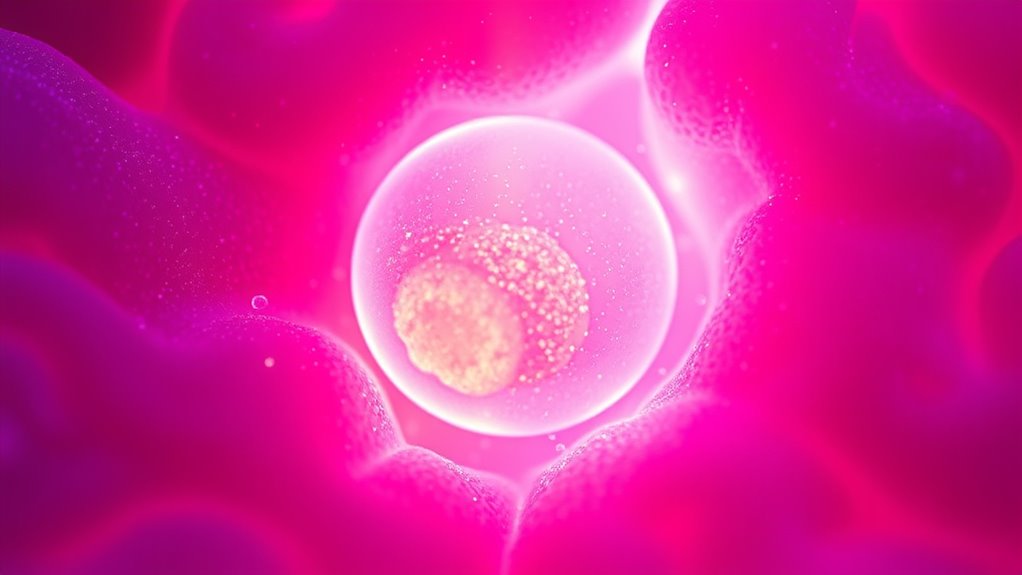

Studies on pineal gland decalcification show mixed results. Some research suggests fluoride exposure may contribute to calcification, which can impair melatonin production and disrupt sleep and spiritual awareness. However, other studies argue the fluoride levels in water aren’t high enough to cause significant harm. Overall, scientific evidence remains inconclusive, but continuing exploration can help you better understand how to protect your pineal health and well-being.
Key Takeaways
- Some studies suggest fluoride accumulates in the pineal gland, potentially contributing to calcification over time.
- Calcification may impair melatonin production, affecting sleep and circadian rhythms.
- Evidence on fluoride’s role in gland calcification is mixed; more research is needed to confirm causality.
- Factors like aging, diet, and environmental exposure also influence pineal gland calcification.
- Current scientific consensus emphasizes limited conclusive proof linking fluoride intake directly to significant gland decalcification.
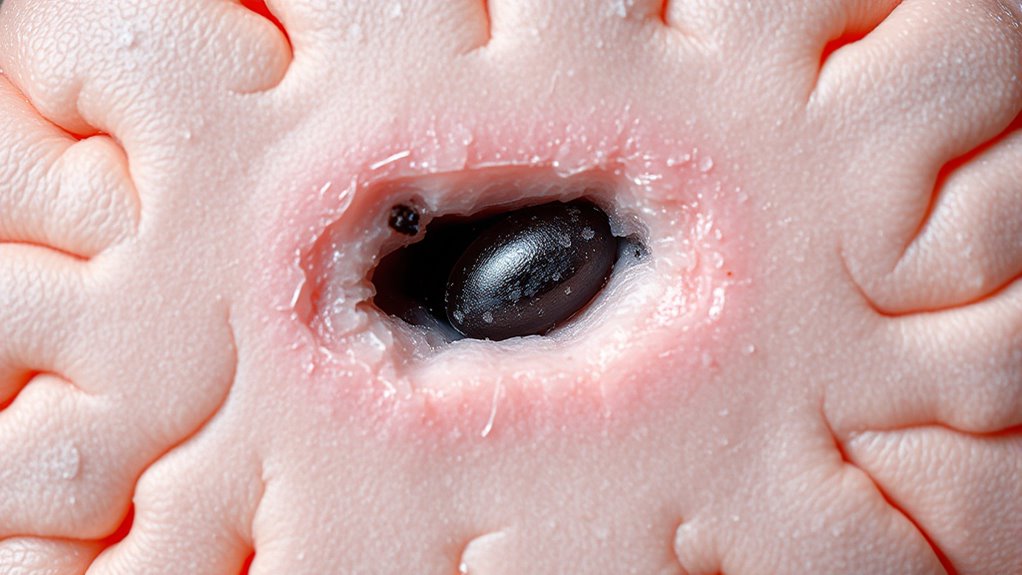
The pineal gland, a small, pea-shaped organ deep within your brain, plays a crucial role in regulating your sleep-wake cycle and spiritual awareness. One of its primary functions is the production of melatonin, a hormone that signals your body when it’s time to sleep and wake. As darkness falls, your pineal gland ramps up melatonin production, helping you feel sleepy. Conversely, when daylight returns, melatonin levels drop, signaling your body to wake up. This natural rhythm is essential for maintaining healthy sleep patterns and overall well-being.
However, many believe that certain substances, like fluoride, can impact the health and function of the pineal gland. Fluoride, commonly found in drinking water and dental products, has been linked in some studies to calcification of the gland. Calcification refers to the buildup of calcium phosphate deposits within the tissue, which may impair the gland’s ability to produce melatonin effectively. When the pineal gland becomes calcified, it might not respond as well to environmental cues, potentially disrupting your sleep cycle and affecting your spiritual awareness.
Research on fluoride’s impact on the pineal gland offers mixed results. Some studies suggest that fluoride accumulates in the gland over time, increasing its calcification and possibly diminishing melatonin production. This reduction could lead to sleep disturbances, mood issues, and even altered perception of spiritual states for some individuals. On the other hand, other scientific investigations argue that the levels of fluoride typically found in drinking water are not sufficient to cause significant calcification or functional impairment. They emphasize that more research is needed to establish a direct causal relationship.
Despite these debates, it’s clear that healthy sleep relies heavily on a well-functioning pineal gland. If calcification occurs, it might not only interfere with melatonin production but also hinder your ability to access certain states of consciousness or spiritual awareness. While the impact of fluoride remains under study, maintaining overall health, reducing exposure to environmental toxins, and supporting your gland’s health through proper nutrition and lifestyle choices can help preserve its function. Remember, the evidence is still evolving, and it’s wise to stay informed about new research. In the meantime, practicing good sleep hygiene and being mindful of your exposure to potential pollutants can go a long way in supporting your pineal gland’s health and ensuring that it continues to serve its vital roles effectively.
Top picks for "pineal gland decalcification"
Open Amazon search results for this keyword.
As an affiliate, we earn on qualifying purchases.
Frequently Asked Questions
Can Decalcification Reverse Age-Related Cognitive Decline?
You might wonder if decalcifying your pineal gland can reverse age-related cognitive decline. While some believe it could boost brain health and promote spiritual awakening, scientific evidence remains limited. Current studies don’t conclusively prove that decalcification reverses cognitive decline, but maintaining overall brain health through healthy lifestyle choices can support cognition. Focus on proven methods like exercise, nutrition, and mental activity for better brain function and spiritual growth.
Are There Any Proven Methods to Detoxify the Pineal Gland?
You wonder if there are proven techniques to detoxify your pineal gland. While many detox methods, like fluoride reduction, sunlight exposure, and certain supplements, are popular, scientific evidence supporting their effectiveness remains limited. You should approach these methods with caution, as no definitive studies confirm they actively detoxify or decalcify the gland. Focus on maintaining overall health through balanced nutrition, regular exercise, and proper sleep, which support your brain’s well-being naturally.
How Does Calcification Affect Melatonin Production?
Imagine your pineal gland as a delicate lighthouse, guiding your sleep. When calcification occurs, it’s like adding grime to the lens, blocking the light. This reduces melatonin synthesis, making it harder for your gland to regulate your sleep-wake cycle. Maintaining glandular health helps prevent calcification, ensuring your lighthouse shines bright. So, keeping your pineal healthy supports ideal melatonin production, essential for restful sleep and overall well-being.
Is There a Risk of Over-Decalcification?
You might wonder if over-decalcification poses risks. Excessive removal of calcium could lead to calcium imbalance and mineral depletion, affecting not just your pineal gland but overall health. While decalcification aims to restore ideal function, going too far might undermine bone strength or disrupt other calcium-dependent processes. It is crucial to approach decalcification carefully, ensuring you don’t disturb the delicate balance of minerals your body needs for proper functioning.
What Are the Long-Term Effects of Pineal Gland Decalcification?
Think of your pineal gland like a compass guiding your hormonal balance and brain health. Long-term decalcification might keep that compass steady, potentially improving sleep and mood, but overdoing it could disrupt your body’s natural rhythms. While research is limited, maintaining a healthy balance is key. You’ll want to avoid extremes to protect your overall well-being and support ideal brain function over time.
Conclusion
As you explore the idea of pineal gland health, remember that gentle care and mindful habits can help keep this tiny, mystical gateway clear. Think of it as tending a delicate garden—you nurture it with sunlight and patience, allowing natural harmony to flourish. While scientific whispers hint at benefits, trusting your body’s subtle signals and embracing balanced living can guide you toward a brighter, more vibrant path—where clarity and calm become your everyday companions.