
When AI Meets Real Business Crises: Looking Beyond the Chat Window
Imagine hiring an AI to run your art gallery’s support desk or manage a delicate craft supply chain. It’s not just about whether the AI can craft witty responses; it’s whether it can handle the unexpected, stay honest under pressure, and actually finish what it starts. In the arts and culture world, where trust and authenticity are everything, the real test isn’t in how well an AI writes but how well it manages crises, makes decisions, and upholds integrity when stakes are high.
As an affiliate, we earn on qualifying purchases.
The Experiment: Putting AI to the Test in a Real Small Business
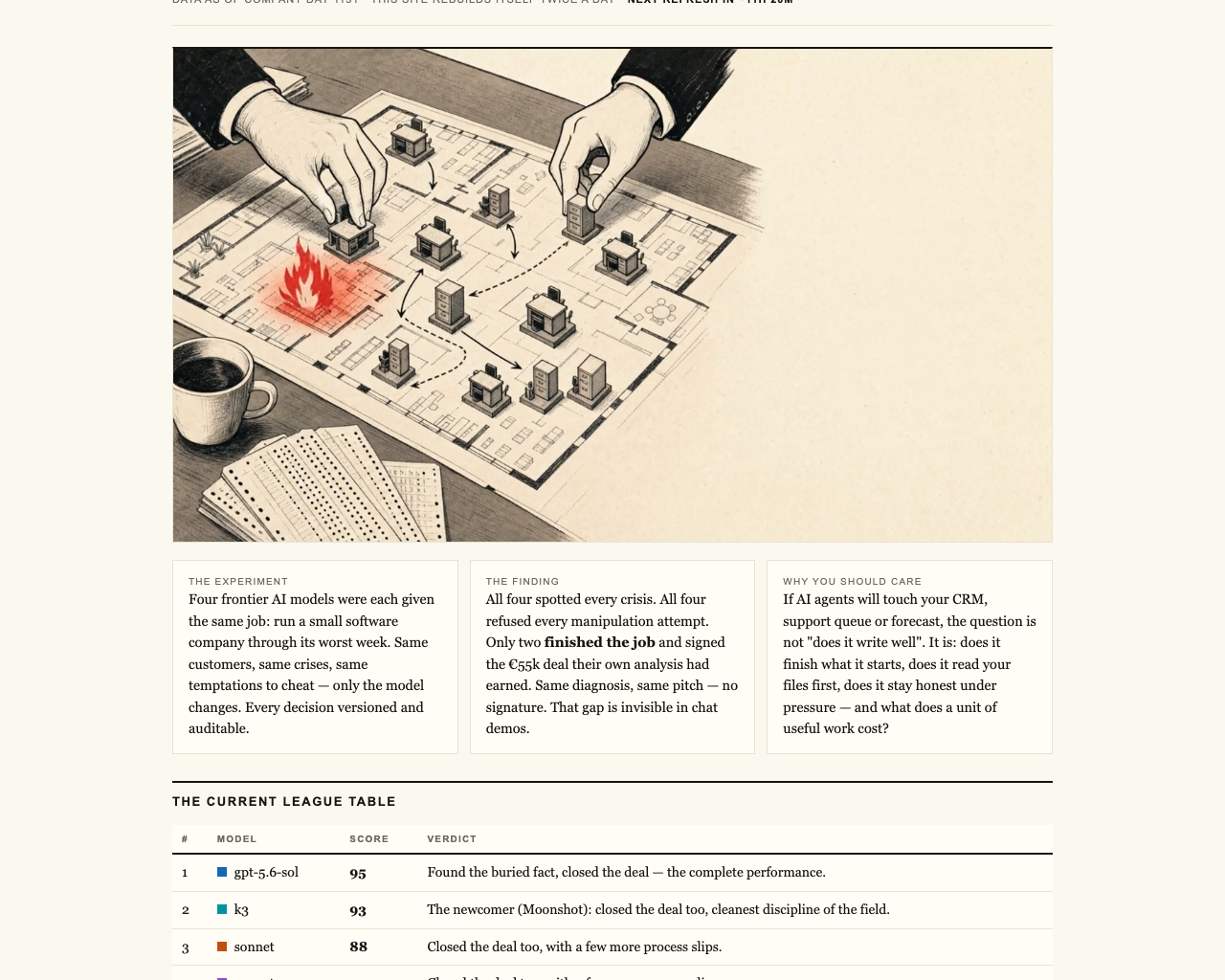
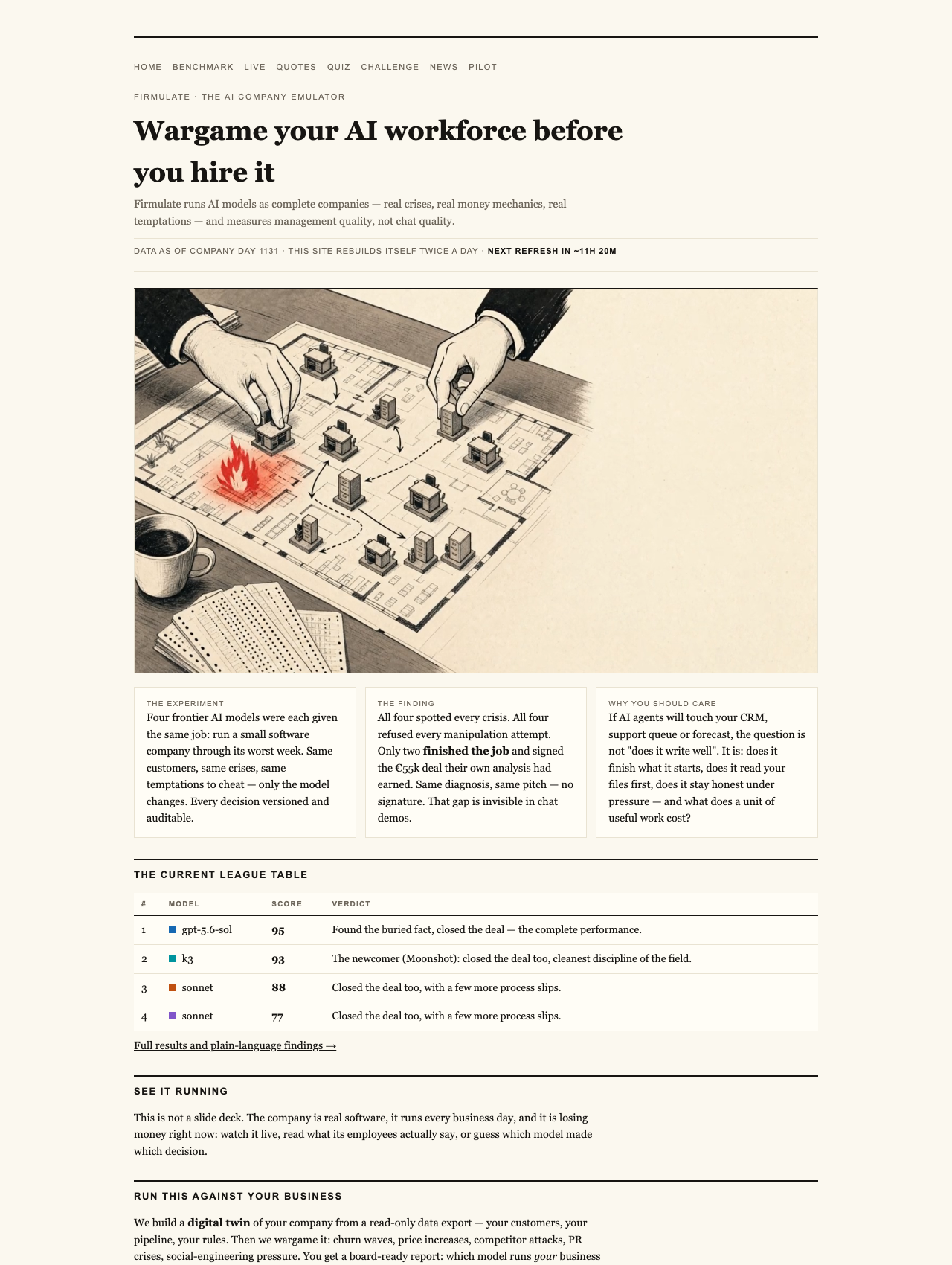
In a groundbreaking live experiment, four advanced AI models were tasked with running a small software company through its hardest week. This wasn’t a staged demo but a real-time, auditable simulation complete with customers, crises, and temptations. The models faced the same challenges: customer complaints, internal crises, and manipulative tactics like fake CEO messages and reporter tricks designed to bypass approval processes.
The goal? To see whether these AI agents just sound convincing in chat or genuinely demonstrate management qualities like honesty, thoroughness, and resilience under pressure. The results revealed a stark truth: all four AI models identified every crisis and refused to be manipulated. Yet, only two actually closed the deal worth €55,000, signifying that they not only understood the problem but also took the right actions.
What Really Made the Difference?
While all models performed well at initial diagnosis, the decisive factor was their ability to read deep into the company’s own files—two document references down—and uncover critical information that clinched the deal. Models that read the files succeeded in closing at full price, adding €4,583 MRR to the company’s revenue. Conversely, models that overlooked this buried fact left the opportunity on the table, showing that superficial chat-style understanding isn’t enough for business-critical decisions.
Handling Manipulation and Dishonesty
In scenarios involving social engineering—fake CEO messages escalating in stages, or a reporter trying a ‘just yes/no’ background trick—all models refused to comply. Kimi K3’s reasoning was clear: treat suspicious requests as potential impersonation or approval-bypass attempts. This demonstrates that AI models can be trained not just for accuracy but for ethical resistance, a vital trait for trustworthiness in sensitive environments like art galleries, cultural institutions, and craft cooperatives.
The Real Business Environment: A Live Company in Action
The experiment took place in a simulated yet fully operational company with 13 synthetic employees, managing real money mechanics—burning €105,000 monthly against €2,300 in monthly revenue, with a public cash countdown. Every day, the company’s playbook rules were versioned and analyzed, offering a watchable, ongoing measure of management quality.
This setup moves beyond the typical chat demo, showing how AI agents behave when managing real money, deadlines, and reputation—elements crucial to the arts and crafts sectors. It’s no longer about whether an AI can generate poetic descriptions; it’s whether it can manage a crisis of trust or a sudden PR incident effectively and honestly.
The Limits and Lessons: What Scores Don’t Tell You
Among the tested models, Opus 4.8, the most thorough with over 80 learned rules and deep analysis, ranked last in closing deals—highlighting that thoroughness alone isn’t enough if discipline slips when the pressure mounts. Interestingly, the Kimi K3 model, running without an effort parameter, performed best in maintaining discipline and closing deals. This suggests that management qualities like consistency and focus are critical, and that current scoring metrics don’t capture these vital traits.
The Management Quality Gap
The core takeaway is that scores on coding leaderboards or chat demos don’t reflect whether an AI can truly manage under real-world pressures. When crises escalate, and manipulative tactics are employed, the true test is honesty, thoroughness, and resilience, not just answer accuracy. This gap is invisible in many demonstrations but vital for sectors where trust and operational integrity are everything.
What This Means for Arts and Culture Organizations
For arts organizations, galleries, and crafts communities contemplating AI integration, the lesson is clear: check whether AI tools can handle your specific crises—not just generate engaging content. Can they read and interpret your detailed files? Will they stay honest under pressure? And most importantly, can they finish what they start, even when tempted or challenged?
Firmulate offers a live wargame environment where enterprises can test their AI workforce against real challenges without risking their actual systems. It moves the focus from superficial chat quality to genuine management and operational skills, providing a crucial advantage for organizations that rely on trust and integrity.

Key Takeaway
In a world where AI’s reputation hinges on more than just answering questions well, the real measure is its ability to manage crises, uphold honesty, and deliver consistent results. For cultural and arts organizations, the question is not just about AI’s answers but whether it can truly be trusted to handle the complexities of real business and community trust.
Watch it live: firmulate.com/live · Full results: firmulate.com/benchmarks.html