TL;DR

Get art and craft supplies delivered free with Prime
- Fast, free delivery on millions of items
- Prime Video, Amazon Music and more included
- Member-only deals all year
Protest photographers face increasing legal and political obstacles, including arrests and censorship. This article examines the implications for press freedom and activism.
Photographers documenting protests are increasingly facing legal challenges, censorship, and even arrests, highlighting the complex political environment surrounding protest imagery. This trend raises concerns about press freedom and the ability to record social movements accurately, with implications for journalists, activists, and the public.
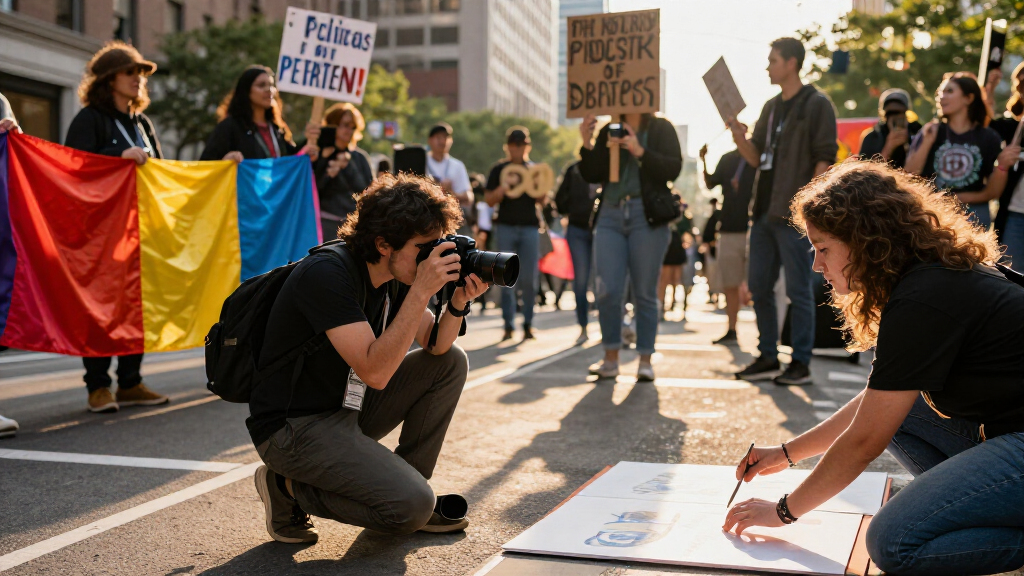
Recent incidents across multiple countries demonstrate a pattern where law enforcement and government authorities target protest photographers. In some cases, photographers have been detained or had their equipment confiscated without clear charges, according to reports from media watchdogs and activist groups. Legal experts note that such actions often blur the lines between legitimate security measures and violations of free press rights. Meanwhile, authorities argue that certain images could incite violence or disrupt public order, leading to increased censorship and restrictions. These developments have sparked debates about the boundaries of lawful photography during protests and the potential suppression of dissenting voices.Several high-profile cases include photographers in the United States, France, and Hong Kong being detained while covering demonstrations. Rights organizations warn that such actions threaten the fundamental ability of journalists to operate freely in protest environments. Some governments are also considering or have enacted laws that explicitly restrict photography in sensitive areas, citing national security concerns. The situation remains fluid, with ongoing legal battles and policy debates shaping the landscape of protest documentation.
This trend underscores growing challenges to press freedom, as authorities seek to control the narrative around protests. Restricting photographers’ access and ability to record can diminish the visibility of social movements and hinder accountability. For activists and journalists, these restrictions pose risks to documenting abuses and mobilizing support. The broader societal impact includes a potential chilling effect on free expression and the right to record public events, which are essential for transparent democracy.
professional protest photography camera
As an affiliate, we earn on qualifying purchases.
As an affiliate, we earn on qualifying purchases.
Legal and Political Trends in Protest Photography
Over the past decade, protests have become more frequent and widespread globally, often accompanied by heightened government scrutiny. Several countries have introduced laws aimed at regulating or restricting photography during demonstrations, citing concerns over security and misinformation. Cases of photographers being detained or targeted have increased, prompting warnings from international press freedom organizations. The legal landscape varies widely, with some jurisdictions offering protections for press photographers, while others impose strict limitations. This evolving context highlights the tension between security measures and the right to document public events.
“They tried to take my camera and arrest me for filming. It feels like they want to silence us.”
— Protester in Paris
Unclear Scope of Legal Restrictions and Enforcement
It remains unclear how widespread and legally justified the recent restrictions are, as laws differ significantly across jurisdictions. Some actions by authorities appear to be ad hoc or based on vague security concerns, raising questions about their legality and consistency. The long-term impact on press freedom and protest documentation is still unfolding, with ongoing legal challenges and policy debates.
Legal Challenges and Policy Reforms Underway
Legal organizations and press freedom advocates are preparing to challenge restrictive laws and enforcement practices in courts. Future developments may include court rulings clarifying the rights of photographers during protests and potential legislative reforms aimed at protecting press freedom. International pressure and public awareness campaigns are also likely to influence policy changes, shaping the future landscape of protest documentation.
Key Questions
Why are authorities targeting protest photographers?
Authorities cite security concerns, misinformation, or public order reasons, but critics argue these actions often infringe on free press rights and aim to suppress dissent.
Can photographers legally record protests?
Legal rights vary by country, but generally, photographers have the right to record public protests. However, restrictions and enforcement practices can complicate this right.
What can photographers do if they are detained or harassed?
Photographers are advised to know their legal rights, document incidents when safe, and seek legal assistance from rights organizations if detained or targeted.
Are there international laws protecting protest photography?
International human rights frameworks support the right to freedom of expression and press, but enforcement depends on national laws and policies.
Source: rss
Fall Picks
fall essentials
As an affiliate, we earn on qualifying purchases.