
TL;DR
Authorities have seized additional looted objects from the Metropolitan Museum of Art, pushing the total estimated value above $95 million. The seizures follow ongoing investigations into illicit artifacts and their origins. The case highlights issues of provenance, legal ownership, and cultural heritage protection.
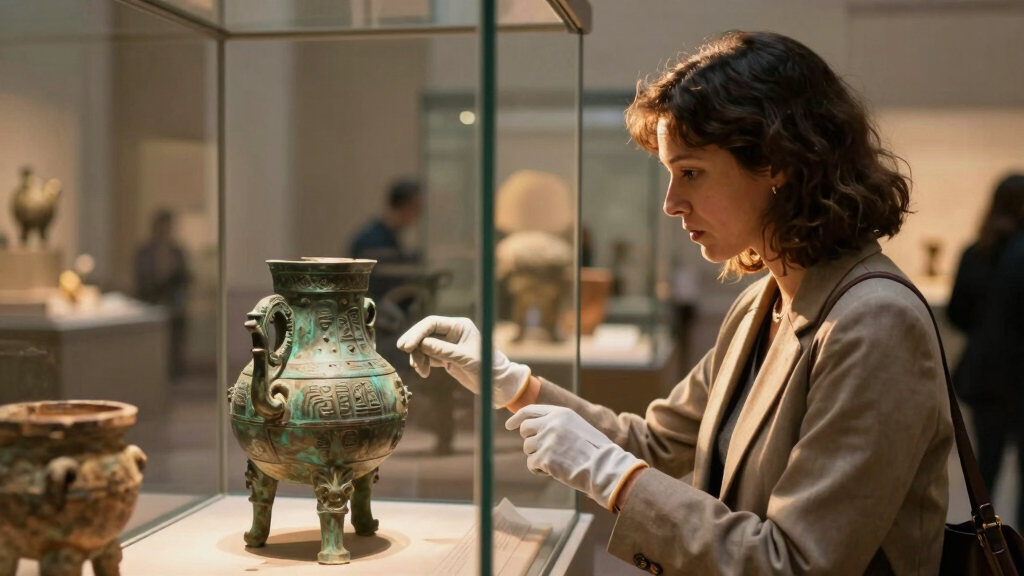
Law enforcement authorities have seized additional looted artifacts from the Metropolitan Museum of Art, increasing the estimated value of these objects to over $95 million. The seizures, confirmed by officials, are part of an ongoing investigation into the provenance of artifacts in the museum’s collection and highlight concerns about illicit cultural property trafficking.
According to the U.S. Department of Justice, recent seizures involved hundreds of artifacts believed to have been looted from various regions, including parts of Africa, Asia, and the Middle East. These objects were discovered during a series of searches conducted at the museum and associated storage facilities in April 2024. The authorities estimate the total value of the looted items now exceeds $95 million.
The investigation was initiated after allegations surfaced that some artifacts in the museum’s collection might have been acquired through illicit means. The museum has cooperated with authorities and is reviewing its acquisition records. The seizures are the latest development in a broader effort to recover stolen cultural property and prevent illegal trafficking.
Implications for Cultural Heritage and Museum Accountability
This development underscores ongoing concerns about the provenance of artifacts held by major museums and the potential for illicit trade in cultural objects. The seizure raises questions about the due diligence exercised by institutions like the Met Museum in verifying the origins of their collections. It also highlights the importance of international cooperation in combating cultural theft and protecting heritage sites from looting.
For the public and policymakers, the case emphasizes the need for stricter provenance verification and transparency in acquisitions. It may also influence future legislation and museum policies regarding the provenance of artifacts and the handling of suspicious items.
artifacts provenance verification kit
As an affiliate, we earn on qualifying purchases.
As an affiliate, we earn on qualifying purchases.
Background on Looted Art and Museum Collections
Looting of cultural artifacts has a long history, often linked to conflict, colonialism, and illegal trafficking networks. Many objects in Western museum collections, including those at the Met, have been subject to provenance disputes or have been identified as looted. Previous investigations into museum holdings have led to repatriations and policy reforms aimed at improving provenance research.
The current case follows a series of high-profile seizures and repatriation efforts worldwide, reflecting increased scrutiny of how museums acquire and retain artifacts with questionable origins. The recent seizures at the Met are part of this broader movement toward accountability and transparency in cultural heritage management.
“The recent seizures represent a significant step in recovering stolen cultural property and preventing its circulation in the illicit market.”
— U.S. Department of Justice spokesperson
Unresolved Questions About Artifact Provenance
It is not yet clear how many of the seized objects were knowingly acquired by the museum or if some were unknowingly purchased through intermediaries. The full scope of the museum’s due diligence and the potential involvement of third parties remain under investigation. Details about the specific origins of many artifacts are still being verified, and legal proceedings are ongoing.
Next Steps in Investigation and Repatriation Efforts
Authorities are expected to continue their investigation into the provenance of the seized artifacts, with potential for further seizures or legal actions. The museum plans to conduct a comprehensive review of its collection and cooperate with international agencies to facilitate repatriation where appropriate. Repatriation requests for some objects are likely to be initiated based on the findings.
Legal proceedings and provenance verification processes are expected to take months, with further updates possible as new information emerges.
Key Questions
What types of artifacts were seized from the Met Museum?
The seizures involved a range of artifacts, including sculptures, pottery, jewelry, and other cultural objects believed to have been looted from regions such as Africa, Asia, and the Middle East.
How did authorities identify these objects as looted?
The investigation involved provenance research, expert analysis, and review of acquisition records, which indicated that some objects might have been illicitly obtained or lacked proper documentation.
Will the museum face legal consequences?
Legal actions are currently underway, and the museum could face lawsuits, fines, or other penalties depending on the investigation’s findings and the extent of due diligence exercised during acquisitions.
What is the significance of this case for other museums?
This case highlights the importance of verifying provenance and exercising due diligence when acquiring artifacts. It may prompt other institutions to review their collections and strengthen provenance research practices.
When will the investigation conclude?
The timeline is uncertain; investigations into provenance and legal proceedings could take several months to years, depending on the complexity of the cases involved.
Source: rss