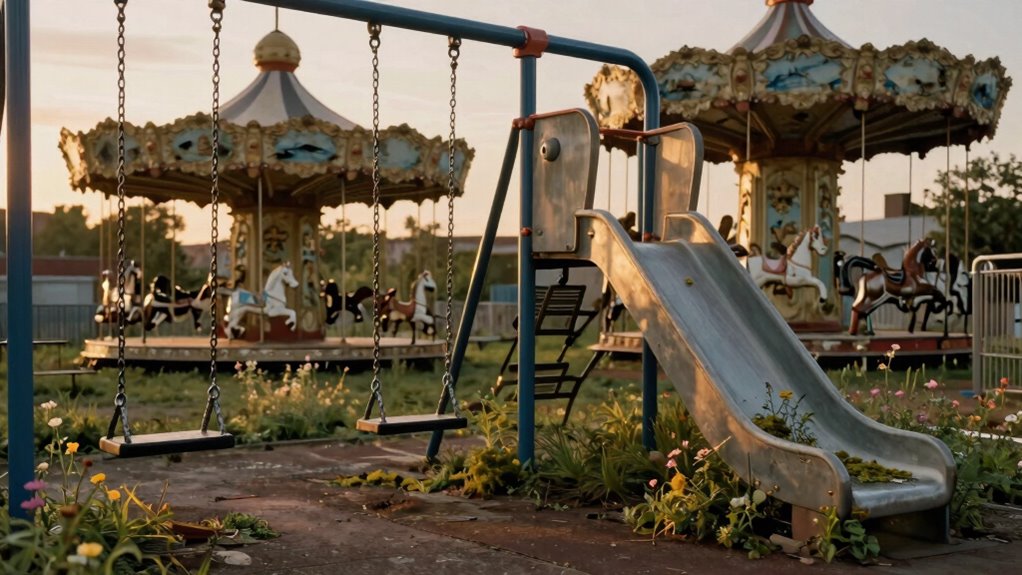

Childhood places appear in your dreams because they act as powerful symbols connected to your memories, emotions, and identity. They evoke feelings of safety, nostalgia, and belonging, often highlighting unresolved issues or shifts in your life. Cultural meanings can add layers of significance to these environments, helping you understand your emotional state better. Exploring these dream symbols can reveal deeper insights into your personal growth and current challenges—if you explore further, you’ll find even more fascinating connections.
Key Takeaways
- Childhood places evoke deep memories, comfort, and nostalgia, serving as powerful memory triggers in dreams.
- They symbolize safety, innocence, and belonging, helping process unresolved emotions or life changes.
- Cultural symbolism adds layered meanings, enhancing emotional responses and personal identity in dreams.
- These places act as archetypes for exploring emotional growth and understanding current psychological states.
- Dreaming of childhood environments aids in processing transitions and reconnecting with core aspects of self.
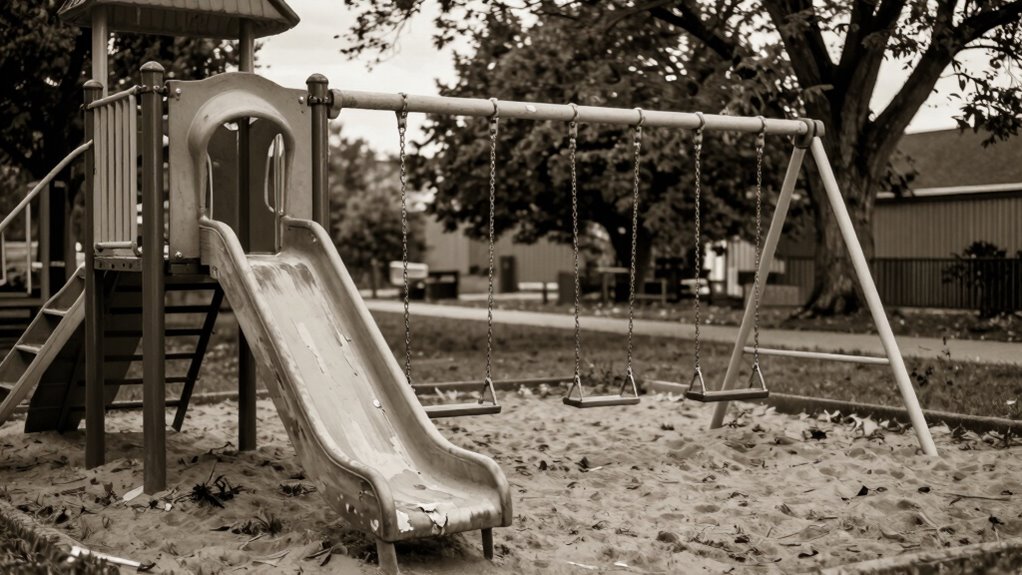
Childhood places in dreams often feel like timeless refuges, where the boundaries of reality blur and memories come alive. When you see that old treehouse, the familiar park, or your childhood home in your dreams, it’s as if your mind is reaching back into a well of vivid memories, pulling them into the present. These places act as powerful memory triggers, evoking feelings and sensations you might have thought were long gone. They serve as anchors for your subconscious, offering comfort, nostalgia, or even unresolved emotions from your past. The reason these childhood places recur in dreams is rooted in how deeply they are woven into your personal history, but also in their cultural symbolism.
Childhood places in dreams evoke deep memories, comfort, nostalgia, and cultural symbolism, connecting past and present.
Your brain uses these familiar settings to process unresolved issues or significant life changes. Childhood places symbolize safety, innocence, and a sense of belonging—core themes that resonate across cultures. They represent a time when the world felt simpler and more predictable, making them a natural choice for your subconscious to revisit during sleep. These symbols often carry universal meanings; for example, a childhood home might symbolize stability, identity, or roots, while a favorite playground could evoke freedom and joy. When your dreams bring these places to life, it’s your mind’s way of exploring your identity and emotional landscape through familiar archetypes. Additionally, these recurring dreams can serve as psychological signposts, helping you understand underlying issues or emotional needs. Recognizing the cultural symbolism involved in these dreams can deepen your understanding of your emotional responses and current life circumstances. The emotional significance of these settings often reflects your current state of mind, highlighting areas where healing or growth may be needed.
Furthermore, cultural symbolism plays an essential role in why these places appear in dreams. Different cultures imbue childhood environments with layered meanings—like a sacred grove representing spiritual growth or a parental house embodying familial bonds. If you grew up in a culture that values community and tradition, your dreams might emphasize communal spaces or rituals from your childhood. These layered meanings can influence how you interpret your dreams and the emotions they evoke. These symbolic associations deepen the emotional impact of childhood places in dreams, transforming them from mere memories into meaningful symbols of personal and cultural identity. Additionally, the psychological significance of these settings often relates to how they can help you process current life challenges or transitions. Recognizing these cultural symbols can provide insight into your emotional responses and current life context.
As an affiliate, we earn on qualifying purchases.
Frequently Asked Questions
Can Childhood Places in Dreams Predict Future Life Events?
Childhood places in dreams can hint at future life events through memory triggers and emotional associations. When you dream of familiar childhood sites, your mind often processes unresolved feelings or fears that might influence upcoming decisions or changes. While these dreams don’t predict specific events, they reveal your subconscious concerns and hopes, helping you reflect on your emotional state and prepare mentally for what’s ahead.
Do Cultural Backgrounds Influence Childhood Places in Dreams?
Your dreams are like a tapestry woven with threads of cultural symbolism and childhood nostalgia, deeply influenced by your background. These childhood places serve as mirrors reflecting your cultural stories and traditions, making dreams rich with personal meaning. Your upbringing colors the landscapes of your subconscious, turning familiar sights into symbols of identity. So, yes, your cultural roots shape the childhood places that appear in your dreams, adding depth and personal significance to each scene.
How Often Do People Dream About Childhood Places?
You often dream about childhood places, especially when nostalgic triggers or environmental cues remind you of those times. These dreams can happen frequently or sporadically, depending on your emotional state or recent experiences. When you encounter familiar sights, sounds, or smells, they activate memories stored in your subconscious. This connection to childhood places offers comfort, nostalgia, or even clarity, making those dreams a meaningful reflection of your past.
Are Certain Childhood Places More Likely to Appear in Dreams?
You might find yourself dreaming more often about childhood places that hold deep nostalgic triggers. Certain childhood places are more likely to appear because environmental cues—like a familiar scent, sound, or sight—bring back powerful memories. These triggers create a subconscious connection, making your mind revisit specific locations from your past. So, it’s often the most emotionally significant childhood places that surface in your dreams, fueled by these subtle environmental cues.
Can Childhood Memories Be Reconstructed From Dreams?
Yes, you can reconstruct childhood memories from dreams. During dreaming, your mind uses memory reconstruction, often blending real events with emotional symbolism, making memories seem vivid or distorted. This process helps you access feelings tied to those childhood moments. By paying attention to dream details and emotions, you might rediscover forgotten memories or gain new insights into your past, making dreams a valuable window into your childhood experiences.
Conclusion
As you drift into sleep, those childhood places whisper softly, guiding you through memories you might not realize you’re holding onto. They gently stir feelings of innocence and wonder, reminding you of simpler times. These dreamscapes aren’t just echoes of the past but tender invitations to reconnect with parts of yourself you may have long forgotten. Embrace these journeys—they’re your heart’s quiet way of telling you there’s more to explore within.