Exam dreams often reflect underlying stress and self-doubt that your subconscious surfaces when you’re anxious or overwhelmed. These dreams reveal fears of failure, feelings of inadequacy, or worries about not meeting expectations. They serve as a way your mind processes unresolved tension and emotions. Recognizing that these dreams are normal stress responses can help you manage anxiety better. If you want to understand how these dreams relate to your feelings and what they reveal about you, keep exploring further.

Get art and craft supplies delivered free with Prime
- Fast, free delivery on millions of items
- Prime Video, Amazon Music and more included
- Member-only deals all year
Key Takeaways
- Exam dreams often symbolize underlying stress, self-doubt, and fears of failure or inadequacy during waking life.
- Such dreams serve as subconscious processing of unresolved worries and emotional tension related to performance.
- They are common indicators of test anxiety and reflect deep-seated fears about self-worth and expectations.
- Managing stress with relaxation techniques can reduce the frequency and intensity of stressful exam dreams.
- Recognizing these dreams as normal stress responses helps diminish anxiety and encourages healthier coping strategies.
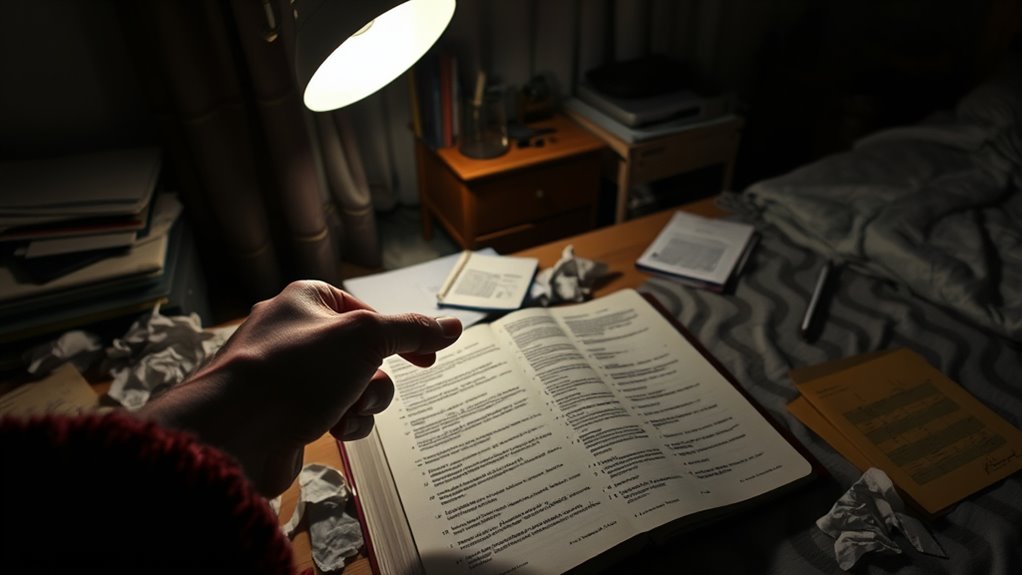
Have you ever woken up in a cold sweat after dreaming about an upcoming exam? That jarring feeling is more common than you might think. These dreams often stem from test anxiety, a psychological response that causes your mind to overreact to the pressure of performing well. But beneath the surface, they reveal subconscious fears that you may not fully acknowledge during the day. When you sleep, your mind processes unresolved worries, and exams become a symbol of challenges you feel unprepared to face. These dreams aren’t just random; they’re a reflection of your deep-seated stress and self-doubt.
Test anxiety can intensify these dreams, making them feel vivid and distressing. You might find yourself frantically searching for answers, unable to recall simple facts, or even sitting in an empty exam hall. These scenarios mirror your fears of failure or inadequacy, which you might brush aside during your waking hours. Your subconscious fears about not measuring up or disappointing others often surface in these dreams, feeding into a cycle of worry that’s hard to break. The more you suppress or ignore these feelings during the day, the more they tend to surface at night in the form of stressful exam dreams.
Understanding that these dreams are rooted in your subconscious fears can be a step toward managing them. Recognize that they’re a normal part of processing stress, not a prediction of your actual performance. When you wake up, take a moment to breathe and remind yourself that dreams don’t define your abilities. Often, they’re just your mind’s way of trying to work through unresolved tension and self-doubt. These dreams are also linked to recurring dreams, which often signal unresolved issues or emotions that need attention. Instead of letting these dreams spiral into anxiety, try to develop healthier coping strategies. Practice relaxation techniques, like deep breathing or meditation, especially before bed. Establishing a routine that reduces your overall stress levels can also diminish the intensity of your dreams over time.
relaxation and meditation for stress relief
As an affiliate, we earn on qualifying purchases.
As an affiliate, we earn on qualifying purchases.
Frequently Asked Questions
How Do Exam Dreams Differ Across Age Groups?
You notice that exam dreams change with age. Younger people often experience childhood memory-related anxiety, feeling unprepared or overwhelmed. Teens and young adults might face more self-doubt, reflecting pressure to succeed. Older adults’ dreams may involve revisiting past exam failures or feeling unready, highlighting age-related anxiety. As you age, these dreams evolve, influenced by your changing self-perception and memories, revealing your ongoing relationship with stress and confidence around exams.
Can Exam Dreams Predict Academic Success or Failure?
Your exam dreams are like a weather vane, hinting at your test anxiety and inner fears. While they don’t directly predict success or failure, they serve as dream symbolism revealing your confidence levels. If your dreams are filled with chaos or forgetting answers, they might signal self-doubt. Recognize these signs, and you can use them as a compass to boost your preparation and reduce anxiety, steering toward academic achievement.
What Cultural Differences Influence Exam Dream Symbolism?
Cultural differences greatly influence how you interpret exam dreams through cultural symbolism. In some cultures, exams symbolize personal achievement, while in others, they represent societal pressure. Your background shapes how you see these dreams, affecting your emotional response. When exploring dream interpretation, consider your cultural context to understand the deeper meaning behind exam symbols, helping you address underlying stress or self-doubt more effectively.
How Do Exam Dreams Relate to Overall Mental Health?
Your exam dreams often reflect your overall mental health by acting as stress indicators and revealing subconscious anxieties. When you frequently experience these dreams, it suggests underlying stress or self-doubt that could impact your well-being. Recognizing these patterns helps you address emotional challenges early, reducing overall anxiety. Taking steps to manage stress can improve your sleep quality and mental resilience, promoting healthier mental states and a more balanced life.
Are There Effective Ways to Reduce Exam-Related Nightmares?
Think of stress management and sleep hygiene as your armor against exam nightmares. You can reduce these dreams by establishing a calming bedtime routine, avoiding screens before sleep, and practicing relaxation techniques like deep breathing. Managing stress during the day helps ease your mind at night, making nightmares less likely. Prioritize consistent sleep schedules and create a comfortable sleep environment—these habits act as shields to protect your restful nights.
Conclusion
As you wake from these exam dreams, remember they’re just shadows dancing on the wall of your mind. They reflect your fears, but don’t let them define your worth. Like a storm passing through, they’ll soon fade, leaving clarity and confidence behind. Trust in your preparation, and know that your true strength isn’t in perfect answers but in the courage to face the unknown. Your inner light will guide you through the darkness.
Halloween Picks
halloween
As an affiliate, we earn on qualifying purchases.