
The ankh remains one of the most recognizable ancient symbols because of its rich history and powerful meaning. You see it as a symbol of life, immortality, and divine power in ancient Egypt, often held by gods and pharaohs. Its distinct shape has endured through centuries, symbolizing vigor and spiritual energy. Its universal appeal across cultures keeps it relevant today. If you want to discover more about its deeper significance and modern influence, keep exploring its fascinating story.

Get art and craft supplies delivered free with Prime
- Fast, free delivery on millions of items
- Prime Video, Amazon Music and more included
- Member-only deals all year
Key Takeaways
- Its distinctive loop and cross shape make the Ankh visually striking and easily recognizable.
- The symbol’s deep mythological and spiritual significance sustains its cultural relevance.
- Its association with eternal life and divine power resonates across different societies and eras.
- The Ankh’s versatility allows it to be adapted into modern jewelry, art, and tattoos, maintaining its visibility.
- Its enduring symbolism of vitality and spiritual transcendence fosters universal appeal worldwide.
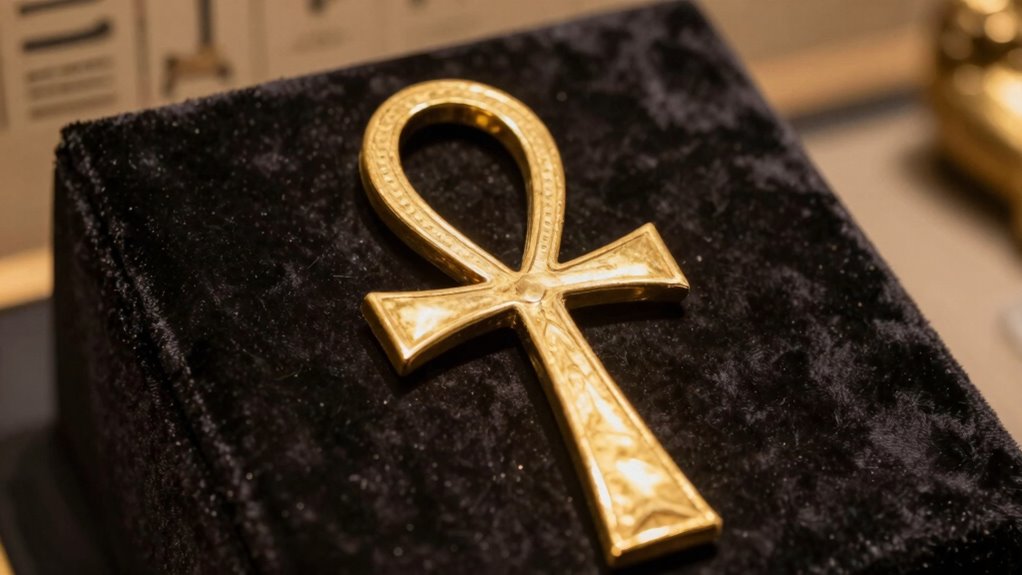
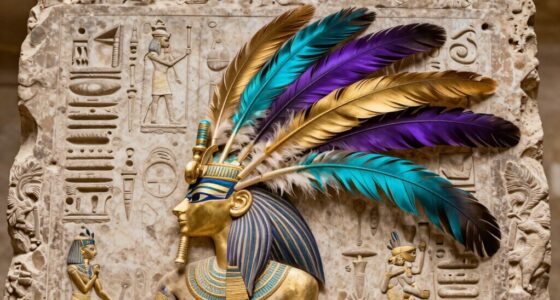
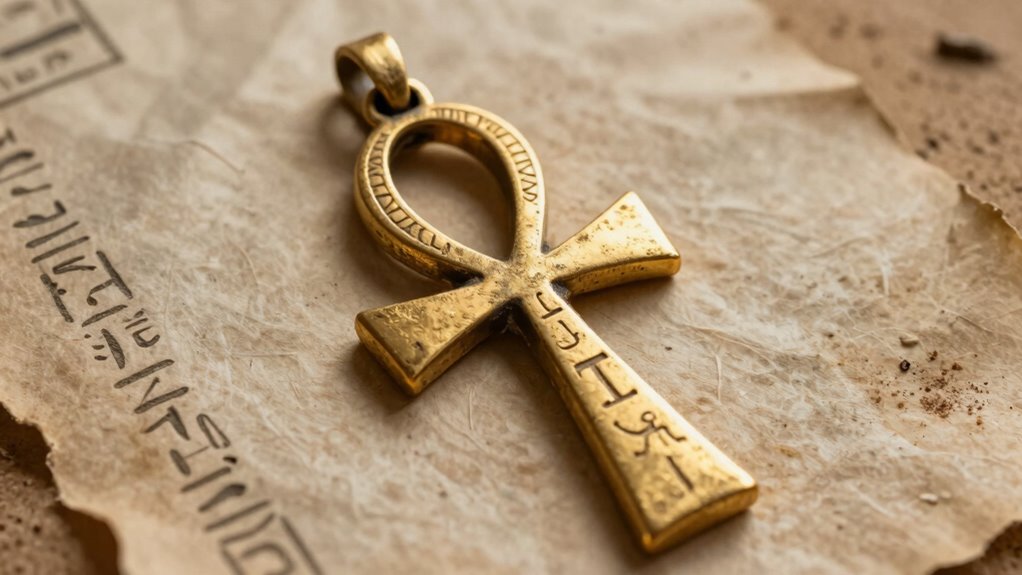
The ankh is one of the most recognizable symbols from ancient Egypt, representing life and immortality. Its distinctive loop and cross shape make it instantly identifiable, but beyond its visual appeal, it carries deep roots in Egyptian mythology. In ancient stories, the ankh was believed to be a gift from the gods, often held by deities like Osiris and Isis, symbolizing their power to grant eternal life. You might notice depictions of gods offering the ankh to pharaohs, emphasizing its role as a divine emblem of everlasting existence. Its presence in Egyptian mythology underscores its spiritual significance, serving as a bridge between the mortal world and the divine domain. The ankh’s symbolic significance has helped it endure through ages, allowing it to remain relevant in various cultural contexts. Over time, the ankh’s symbolism extended beyond its mythological origins. Today, it has become a powerful piece of modern symbolism, embraced by various groups as a sign of life, vitality, and spiritual awakening. You may see it incorporated into jewelry, tattoos, or artwork, often representing a connection to ancient wisdom or a desire for eternal life. Its versatility allows it to transcend cultural boundaries, transforming from an ancient Egyptian relic into a contemporary icon. Its meaning continues to evolve, yet it retains its core message: the pursuit of life beyond physical existence.
What keeps the ankh so enduring is how it resonates on multiple levels. In Egyptian mythology, it’s more than just a symbol; it’s a sacred object charged with spiritual energy. It’s believed to have protective qualities and to serve as a conduit for divine power. Its spiritual energy is part of why it remains a powerful emblem across different eras. This universal appeal demonstrates its ability to connect with diverse audiences and cultural backgrounds. In modern contexts, people look to the ankh as a reminder of life’s preciousness and the hope for immortality—be it through physical longevity or spiritual transcendence. Its cultural symbolism exemplifies how symbols can carry layered meanings across different eras and societies. Its simple, elegant shape makes it adaptable, whether worn as jewelry or used in design to evoke timelessness and resilience. Additionally, its enduring presence across diverse cultures highlights its universal appeal and cultural significance, which helps explain why it remains a powerful emblem today.
As an affiliate, we earn on qualifying purchases.
Frequently Asked Questions
How Did the Ankh Influence Modern Religious Symbols?
The ankh influenced modern religious symbols through its symbolic significance of life and eternity, inspiring designs like the Christian cross. You see its impact in the way cultural symbolism shapes spiritual identity today. The ankh’s simple yet profound shape helps convey deep meaning, making it a powerful motif that continues to resonate across different religions and cultures, emphasizing the universal human desire to understand life, death, and rebirth.
Are There Any Known Variations of the Ankh Across Different Cultures?
You’ll find variations of the ankh across different cultures, especially through Egyptian hieroglyphs and cross symbolism. In Coptic Christianity, the ankh’s shape resembles a cross, symbolizing life and resurrection. Some cultures incorporate similar symbols with loops or additional elements, emphasizing life or spiritual connections. These adaptations show how the ankh’s core meaning endured, inspiring diverse interpretations while maintaining its significance across time and cultures.
What Materials Were Traditionally Used to Create Ankh Artifacts?
You’ll find that ancient craftsmen used a variety of materials to create ankh artifacts, emphasizing material significance. They often worked with gold, faience, and bronze, which reflected wealth and spiritual power. Stone, like limestone and granite, was also common for larger, durable pieces. These materials showcased their skill and held symbolic importance, helping the ankh become a powerful emblem of life and immortality that’s endured through centuries.
How Did the Ankh Evolve Over Ancient Egyptian History?
You see the ankh evolving through ancient Egyptian symbolism and hieroglyphic evolution, transforming from a simple symbol of life to a profound emblem of eternal existence. Over time, its design becomes more intricate, reflecting changes in religious beliefs and artistic styles. You notice how its shape shifts, blending spiritual meaning with artistic expression, making the ankh an enduring icon that captures the essence of life, death, and rebirth across Egyptian history.
Is the Ankh Still Used in Contemporary Spiritual Practices?
Yes, you’ll find the ankh still used in contemporary spiritual practices. It symbolizes spiritual longevity and eternal life, echoing its roots in ancient Egyptian symbolism. Many people incorporate the ankh into jewelry, meditation, and spiritual rituals to connect with its powerful meaning. Its timeless design continues to inspire those seeking spiritual growth and longevity, making it a meaningful emblem that bridges ancient beliefs and modern spirituality.
Conclusion
You can see the ankh’s enduring power in modern jewelry or tattoos, symbolizing life and immortality. Imagine a person dedicating a tattoo of the ankh to honor their grandmother’s legacy, feeling a connection to ancient Egypt’s timeless wisdom. This symbol’s resilience reminds us that, whether in history or personal stories, it continues to represent life’s enduring spirit. Its rich symbolism keeps it relevant, making it one of the most recognizable ancient icons today.
Fall Picks
fall essentials
As an affiliate, we earn on qualifying purchases.