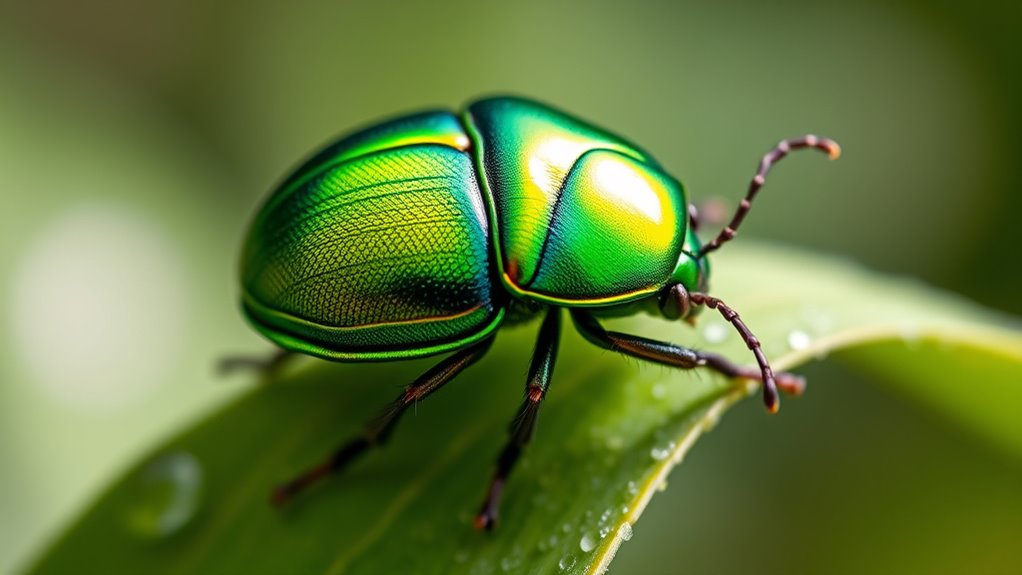
The scarab beetle symbolizes transformation and renewal, inspiring you with its themes of rebirth and resilience. In ancient Egypt, it represented the sun’s daily journey and the cycle of life, death, and rebirth. Today, its image is used in jewelry and art to remind you that change is natural and essential. If you continue exploring, you’ll discover how this timeless symbol continues to inspire hope and personal growth across cultures.
Key Takeaways
- The scarab beetle symbolizes rebirth and spiritual transformation, reflecting its role in ancient Egyptian beliefs.
- Its behavior of rolling dung mirrors the sun’s daily journey, representing eternal renewal and life’s cyclical nature.
- In ancient Egypt, the scarab was a sacred emblem used in amulets and funerary objects to ensure rebirth after death.
- Modern symbolism associates the scarab with personal growth, resilience, and embracing change as part of life’s natural cycle.
- The enduring legacy of the scarab inspires hope, renewal, and the continuous journey of transformation across cultures and time.
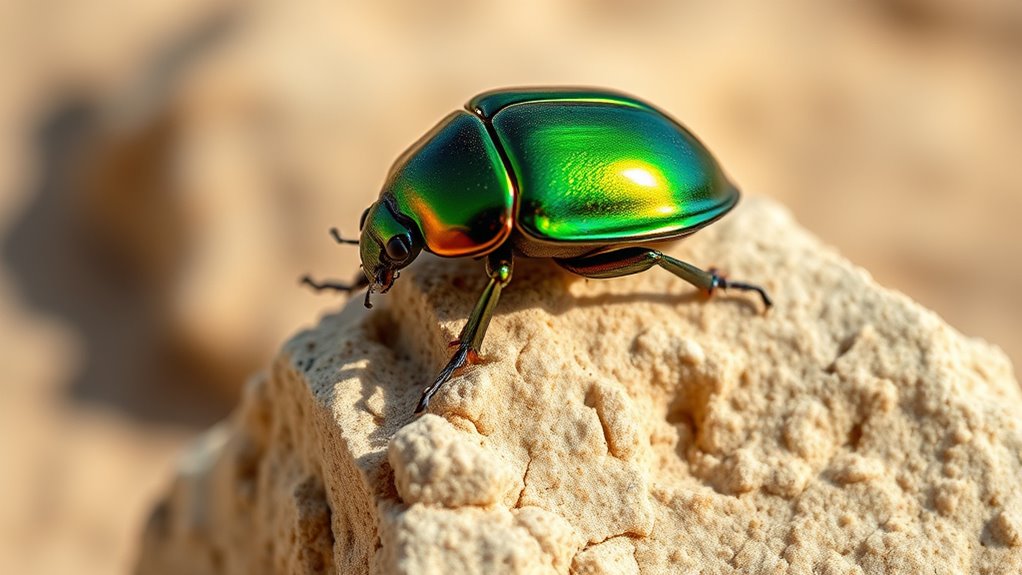
Have you ever wondered what makes the scarab beetle such a fascinating creature? It’s more than just its unique appearance; it carries a deep history rooted in ancient symbolism and cultural significance. For thousands of years, the scarab has been a powerful emblem in Egyptian civilization, representing rebirth, transformation, and the eternal cycle of life. Its significance isn’t just symbolic—it’s woven into the fabric of ancient beliefs and practices. When you see a scarab, you’re looking at a creature that embodies renewal and the continuous journey of life and death, themes that resonate across time and cultures.
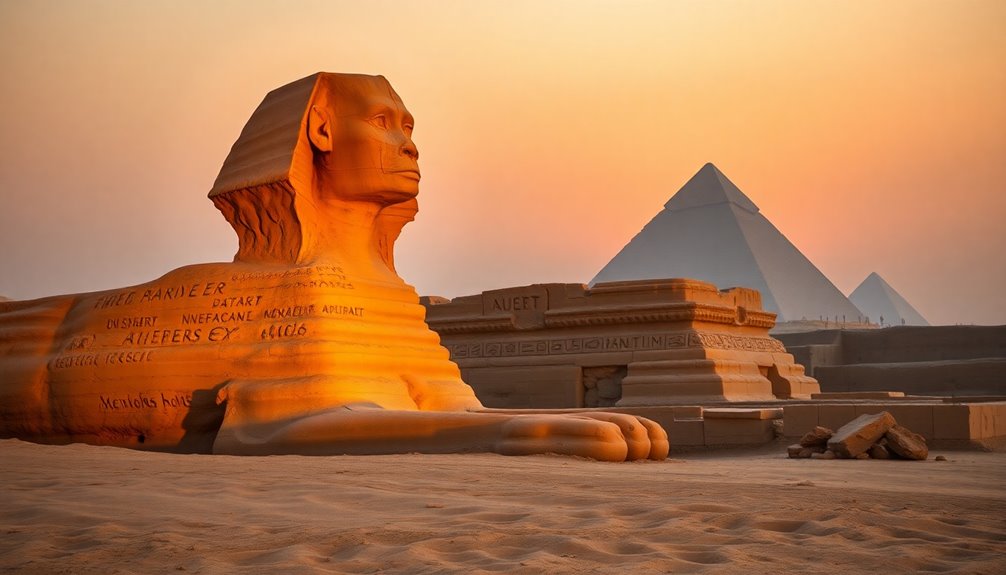
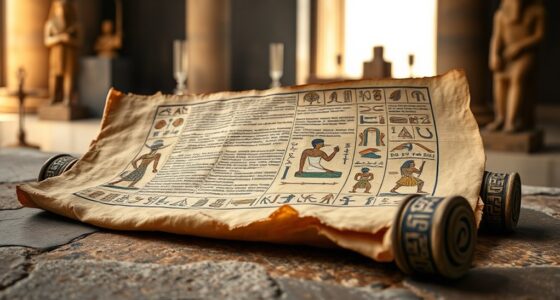
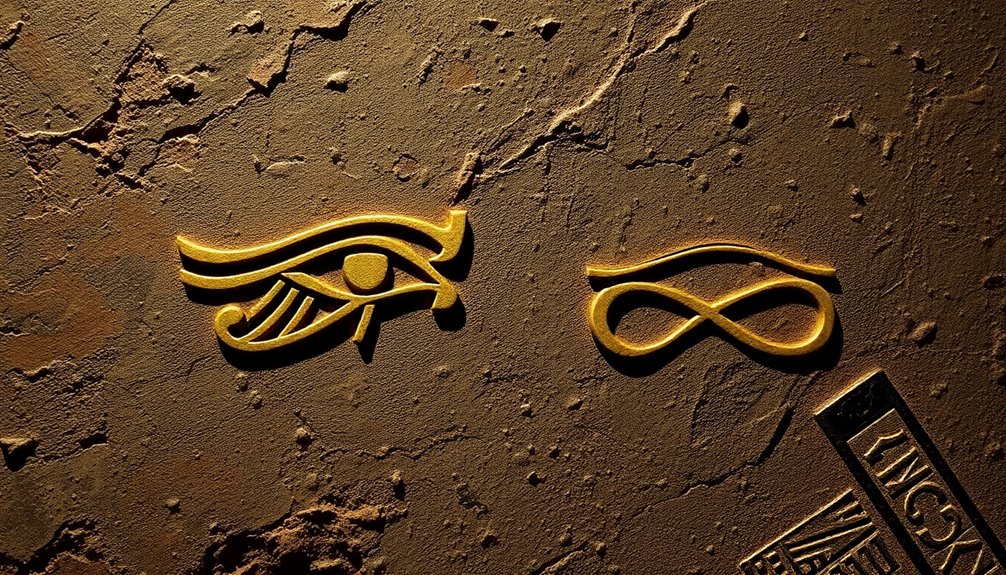
In ancient Egypt, the scarab beetle was revered as a sacred symbol. The Egyptians observed how this beetle, specifically the dung beetle, rolls large balls of dung across the ground, akin to the movement of the sun across the sky. They saw in this behavior a reflection of the sun god Ra’s daily journey across the heavens, making the scarab a symbol of the sun and its life-giving power. This connection elevated the scarab to a divine status, and it was often used in amulets, jewelry, and funerary objects to invoke protection and rebirth. The image of the scarab was believed to carry the soul through death into the afterlife, emphasizing its role in spiritual transformation. Its representation in tombs and artifacts reinforced its importance as a guardian of renewal, helping the deceased achieve eternal life.
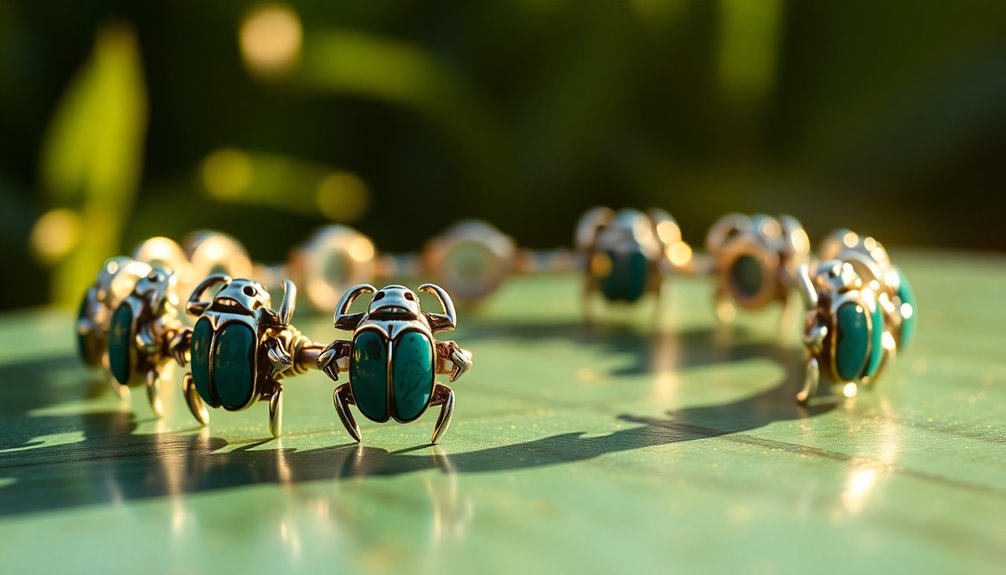
Culturally, the scarab beetle went beyond Egypt’s borders, influencing various civilizations that valued its symbolism. Its association with transformation made it a universal emblem of change and renewal. Today, you might see scarab motifs in jewelry, tattoos, or art, symbolizing personal growth or new beginnings. The ancient symbolism attached to the scarab reminds you that change is a natural and crucial part of life’s cycle. It encourages embracing transformation, much like how the beetle itself constantly renews through its life cycle. Whether you view it as a spiritual symbol or a reminder of resilience, the scarab’s cultural significance endures, offering a timeless message of hope and renewal.
In essence, the scarab beetle isn’t just a creature to observe; it’s a symbol that has transcended time, inspiring countless stories about rebirth and transformation. Its ancient symbolism and cultural importance provide a powerful reminder that renewal is always possible, and that sometimes, you need to shed your old self to emerge stronger and renewed. The scarab’s story is one of resilience, eternal cycles, and the ongoing journey of growth—an inspiring legacy rooted in nature and human history alike.

Acxico 1Pcs Egyptian Scarab Beetle in Resin Charm Tibetan Silver 18" Necklace
Material: Resin
As an affiliate, we earn on qualifying purchases.
As an affiliate, we earn on qualifying purchases.
Frequently Asked Questions
How Long Does a Scarab Beetle Typically Live?
You’ll find that a scarab beetle’s lifespan varies depending on environmental influences and species. Typically, they live for about 1 to 3 years, but some can survive longer if conditions are optimal. Factors like temperature, availability of food, and habitat quality play a significant role in their lifespan variations. By maintaining a healthy environment, you can help guarantee these fascinating creatures live their full, natural lives.
Are All Scarab Beetles Considered Sacred or Just Specific Species?
Not all scarab beetles are considered sacred; only specific species, like the sacred scarab in ancient Egyptian symbolism, hold cultural significance. You’ll see these beetles representing rebirth and transformation, symbolizing renewal in ancient Egyptian beliefs. Their cultural importance stems from their association with the sun god Ra and the idea of eternal cycles. So, while some scarab beetles are revered, others are simply part of nature without symbolic meaning.
What Do Scarab Beetles Eat During Their Lifecycle?
Did you know scarab beetles can live up to a year during their larval stage? During their lifecycle, you’ll see their feeding habits focus mainly on decayed plant matter and dung. The larval diet is crucial for growth, as they consume decomposing organic material, which provides the nutrients they need to develop into adult beetles. This feeding process is essential for ecosystem health, aiding in decomposition and nutrient recycling.
How Do Scarab Beetles Find Mates in the Wild?
You can find scarab beetles in the wild by observing their mating rituals, which often involve pheromone signaling. Males and females release specific scents that attract each other from a distance. You might notice males competing or performing displays to gain the attention of females. By following these scent trails and observing their behaviors, you’ll see how scarabs efficiently locate mates in their natural environment.
Can Scarab Beetles Be Kept as Pets or in Captivity?
You can keep scarab beetles as pets, but you’ll need to meet their care requirements and consider their behavioral needs. Coincidentally, I once found a scarab in my garden and wondered about their captivity potential. They thrive in a well-ventilated enclosure with appropriate humidity and organic matter. Keep in mind, they’re nocturnal and shy, so handle them gently, respecting their behavior while providing a stimulating environment.

AsAlways 18k Gold Plated Egyptian Winged Scarab Beetle Pendant Stainless Steel Inlay CZ Eye of Ra Hip-hop Amulet Necklace Jewelry Gift
Design Inspiration: Scarab possessed the spirit of persistence, fearlessness, bravery, and hard work in ancient Egypt, bringing light…
As an affiliate, we earn on qualifying purchases.
As an affiliate, we earn on qualifying purchases.
Conclusion
As you watch the scarab beetle roll its ball of earth, you’re reminded that transformation is a cycle of renewal. Like the beetle emerging anew from its cocoon, you too can shed old layers and embrace fresh beginnings. Let this resilient creature inspire you to carve your path through life’s struggles, turning adversity into a shining symbol of rebirth. Embrace your own journey of renewal, just as the scarab constantly renews itself beneath the sun’s warmth.
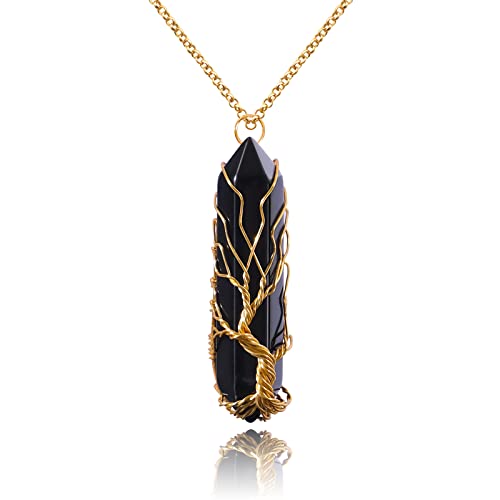
VIBILIA Healing Crystal Necklace Tree of Life Wire Wrapped Black Stone Point Pendant Necklace Hexagonal Reiki Spiritual Jewelry for Women Men
【BLACK HEALING CRYSTAL】Black Agate means Self control, decision making, intuition, protection. It is widely believed that black onyx…
As an affiliate, we earn on qualifying purchases.
As an affiliate, we earn on qualifying purchases.