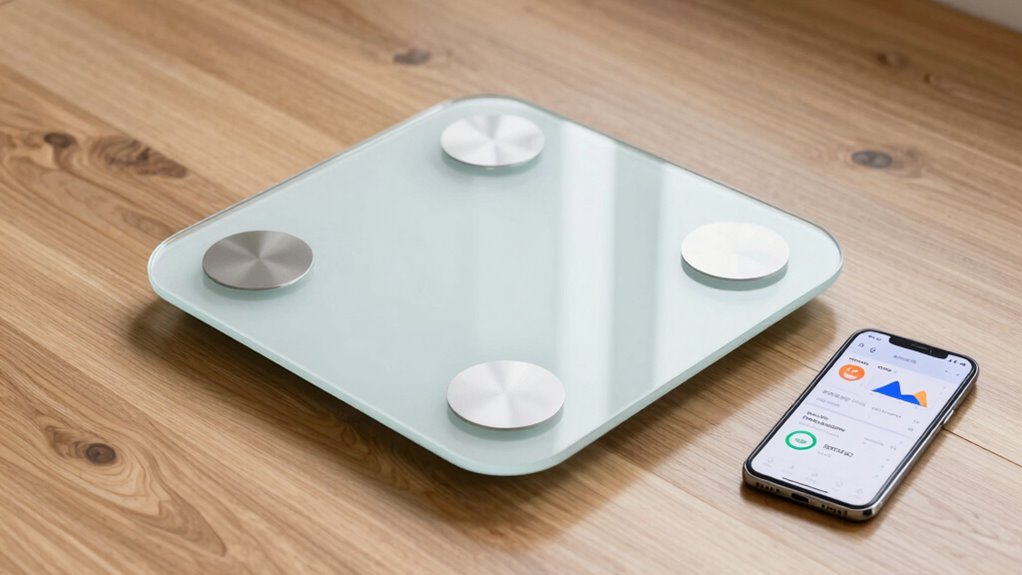

Smart scales measure metrics like body fat percentage, muscle mass, water weight, and bone density, offering useful insights into your overall health and fitness. However, these results can be affected by hydration levels, calibration, and user error, so they aren’t perfectly precise. While they help track trends over time, they shouldn’t replace professional advice. If you’re interested in understanding what these measurements truly mean and how to interpret them responsibly, keep exploring further.
Key Takeaways
- Smart scales measure metrics like body fat percentage, muscle mass, water weight, and bone density to assess overall body composition.
- They provide estimates influenced by hydration, calibration, and user error, which can affect accuracy.
- Body composition data helps track health risks, fat distribution, and muscle development over time.
- These metrics are useful for monitoring trends but are not definitive health diagnoses.
- Results should be interpreted cautiously and complemented with professional advice for comprehensive health assessment.
Top picks for "smart scal body"
Open Amazon search results for this keyword.
As an affiliate, we earn on qualifying purchases.
What Body Composition Metrics Do Smart Scales Measure?
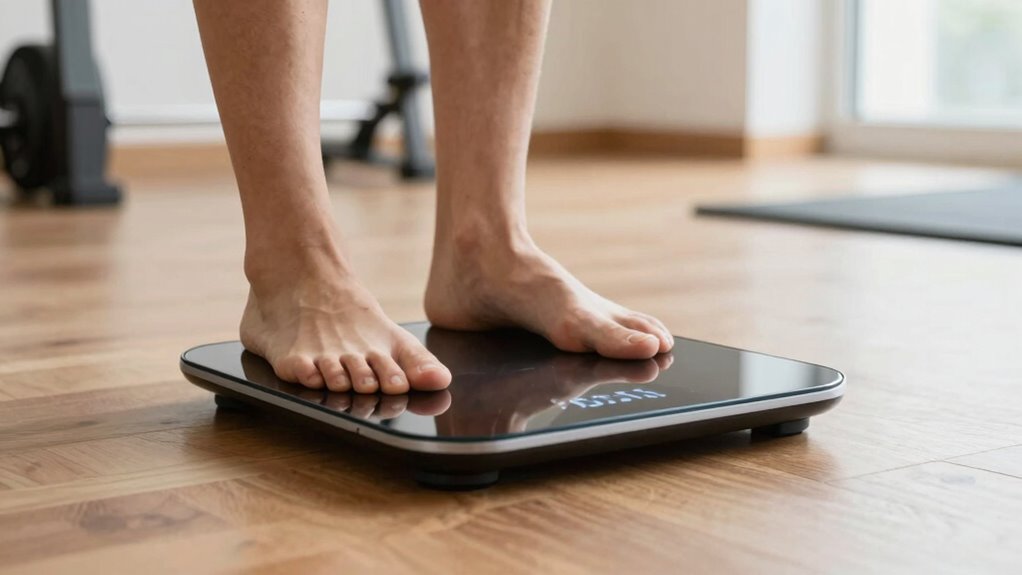
Smart scales go beyond simply measuring your weight; they analyze various body composition metrics to give you a thorough view of your health. These devices typically measure body fat percentage, muscle mass, water weight, and bone density. By tracking these metrics, you can better understand how diet trends influence your body, such as low-carb or high-protein diets, which can affect muscle and fat levels. Additionally, hormonal effects play a role in body composition changes, impacting water retention and fat storage. Smart scales help you see these shifts over time, providing insights into how your body responds to different lifestyle choices. While they don’t offer a complete health picture, they’re valuable tools for tracking trends and understanding your body’s responses to various factors.
How Accurate Are Your Smart Scale Body Measurements?
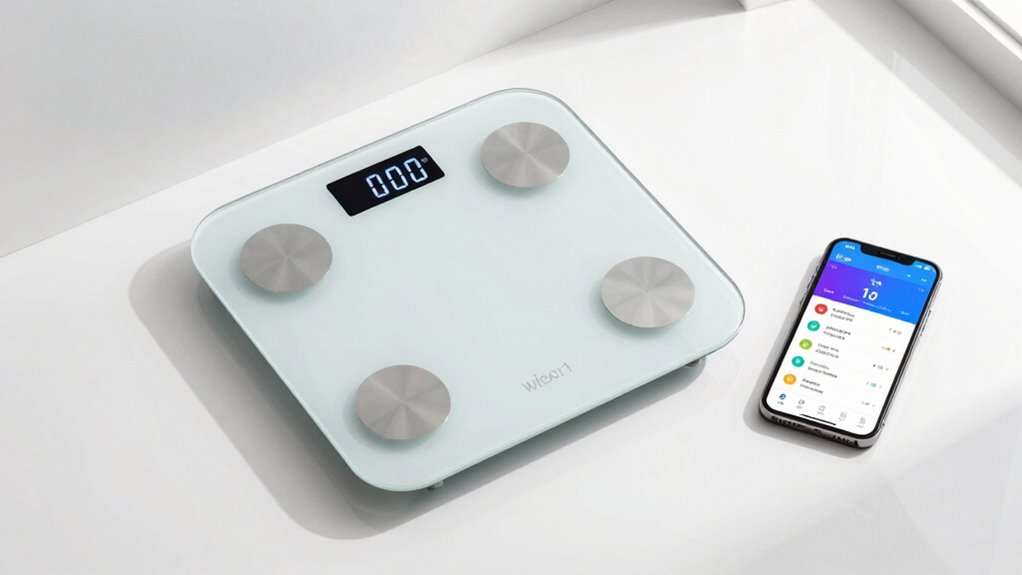
While smart scales provide convenient insights into your body composition, their measurements can vary in accuracy depending on several factors. Calibration issues can cause inconsistent results, so verify your scale is regularly calibrated. User error also plays a significant role; stepping on the scale incorrectly or at different times of day can skew your readings. To improve accuracy, keep these points in mind:
Ensure consistent, accurate readings by calibrating your scale regularly and always weighing at the same time of day.
- Use the scale on a hard, flat surface.
- Weigh yourself at the same time each day, preferably in the morning.
- Stand still and centered on the scale without shifting weight.
- Be aware that calibration consistency can affect the accuracy of your measurements, just as proper calibration ensures consistent measurement accuracy. Regularly recalibrating your scale helps maintain measurement reliability. Additionally, understanding body composition metrics can help you interpret your results more effectively, especially considering differences across diverse populations and individual factors.
What Can Body Fat Percentage Tell You About Your Health?
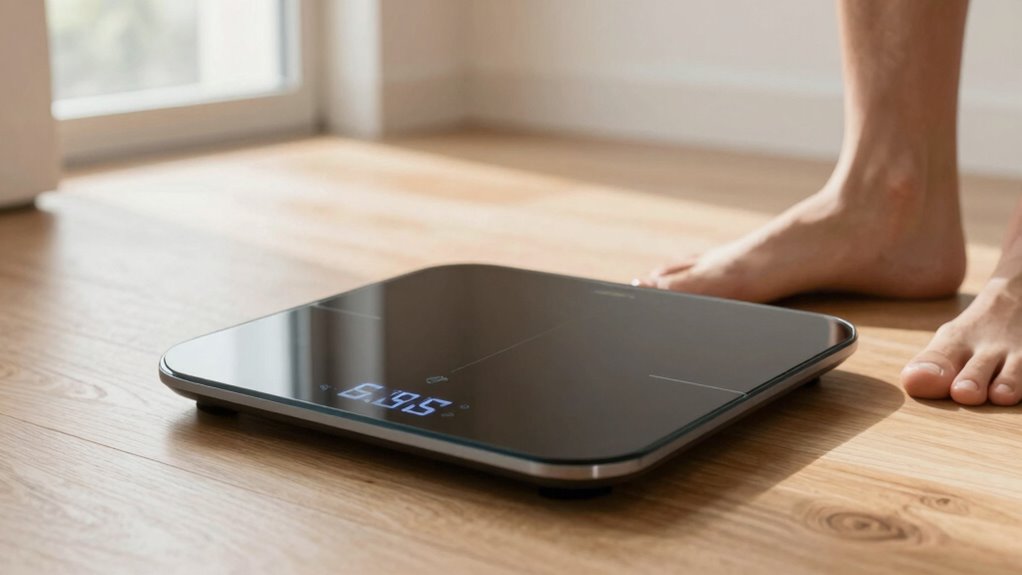
Body fat percentage offers valuable insights into your overall health and fitness. It can help you understand your metabolic health, as excess body fat, especially around your organs, increases risks like insulin resistance and inflammation. Tracking changes in your body fat percentage reveals how your exercise impact influences your body composition. For instance, regular workouts may lower your body fat, improving metabolic function. Additionally, understanding body composition metrics can help tailor your health and fitness plans more effectively. Monitoring body fat distribution is also important, as fat stored around vital organs poses greater health risks. Research into sound healing techniques and their influence on stress reduction has shown promising complementary benefits for overall well-being. Moreover, being aware of metabolic indicators can assist in early detection of underlying health issues before they develop further. However, a healthy body fat percentage doesn’t tell the whole story; it doesn’t measure muscle quality or fat distribution, both of which also affect health. While knowing your body fat percentage helps you gauge progress and identify potential health risks, it’s essential to view it alongside other health indicators for a complete picture of your wellness. Frühwarnzeichen Für Brustkrebs Entdecken
Why Muscle Mass Matters for Your Fitness Goals
Building lean muscle helps you look toned and strong, boosting your confidence. It also increases your metabolic rate, so your body burns calories more efficiently. Understanding how muscle mass impacts your goals keeps you motivated and on track. Incorporating body jewelry measurements and materials like balanced workouts and recovery routines can further enhance your muscle development efforts. Additionally, maintaining proper hygiene and awareness of odor detection can help you stay healthy while pursuing your fitness objectives. For example, some best gelato in Laguna Beach options include seasonal fruit blends that can complement your nutritional goals and support muscle recovery.
Building Lean Muscle
Have you ever wondered why increasing muscle mass is so beneficial for your fitness goals? Building lean muscle boosts your metabolism, helps with fat loss, and improves overall strength. To maximize muscle growth, focus on:
- Proper diet planning, including adequate protein intake, to support muscle repair and growth.
- Prioritizing sleep quality, as restful sleep promotes hormone production essential for muscle recovery.
- Consistent resistance training, challenging your muscles regularly to stimulate growth.
- Being mindful of ethical considerations in your fitness journey, such as ensuring your training methods and supplements are safe and responsibly sourced. Additionally, understanding body composition metrics can help you track progress more accurately than weight alone, especially since these metrics reveal insights about your natural environment and health that go beyond mere weight measurement. Recognizing the importance of accurate measurements can help you make better-informed decisions about your training and nutrition, and incorporating comprehensive data analysis can further refine your approach.
Enhancing Metabolic Rate
Since muscle tissue is more metabolically active than fat, increasing your muscle mass can especially boost your resting metabolic rate. This enhancement improves your metabolic health by supporting efficient calorie expenditure even during rest. Building muscle not only helps you burn more calories at rest but also promotes better overall metabolic function. Consider the following factors influencing metabolic rate:
| Factor | Effect on Metabolic Rate | Tips |
|---|---|---|
| Muscle mass | Increases calorie expenditure | Strength training regularly |
| Age | Decreases metabolic rate | Stay active, maintain muscle |
| Physical activity | Boosts daily calorie burn | Incorporate cardio and resistance workouts |
| Diet quality | Supports muscle growth | Prioritize protein intake |
Maintaining muscle mass is essential for long-term metabolic health and supporting your fitness goals. Additionally, muscle preservation plays a crucial role in preventing age-related metabolic decline. Engaging in resistance training can effectively help preserve muscle as you age, ensuring your metabolic rate remains higher over time. Incorporating consistent exercise routines can further enhance these benefits.
How Does Hydration Affect Your Smart Scale Readings?
Your hydration levels can markedly impact your smart scale readings, especially when it comes to body fat percentage and water retention. Fluctuations in water retention can cause your measurements to vary throughout the day, making timing important. Understanding how hydration affects these readings helps you get more accurate and consistent results.
Hydration and Fat Percent
Hydration levels play an essential role in determining your smart scale’s readings for body fat percentage. When you’re well-hydrated, muscle hydration improves, and your scale may show a lower fat percentage. Conversely, dehydration can cause fat fluctuation, making readings less accurate. To understand this better:
- Proper hydration ensures accurate muscle hydration, aiding consistent results.
- Dehydration can artificially inflate fat percentage readings due to lower water content in muscles.
- Hydration status influences fat fluctuation, affecting the reliability of your measurements over time.
Water Retention Variability
Water retention can cause significant fluctuations in your smart scale readings, even if your hydration levels remain consistent. Fluid fluctuation varies due to factors like recent meals, salt intake, or activity, impacting your body’s water balance temporarily. This variability makes it tricky to rely solely on scale data for precise body composition insights. To illustrate, here’s how hydration stability affects readings:
| Hydration Level | Scale Reading Impact |
|---|---|
| High water retention | Elevated weight, skewed metrics |
| Dehydration | Lower weight, inaccurate fat estimates |
| Normal hydration | More consistent, reliable data |
| Fluid fluctuation | Temporary changes, not permanent shifts |
Understanding this variability helps you interpret scale results more accurately, recognizing that short-term fluid shifts don’t reflect true body composition changes.
Timing of Measurements
The timing of your measurements can considerably influence your smart scale readings because hydration levels fluctuate throughout the day. To make certain of consistency, pay attention to measurement timing and avoid taking readings during periods of significant daily fluctuations. Here are key points to take into account:
- Measure at the same time each day, preferably in the morning after waking up.
- Avoid weighing yourself immediately after meals, exercise, or drinking fluids.
- Maintain consistent hydration levels to reduce variability caused by hydration changes.
Can Smart Scales Effectively Track Changes Over Time?
Smart scales have gained popularity for their ability to monitor your health over time, but you might wonder if they can truly track meaningful changes accurately. While they can show trends in metrics like body fat percentage and muscle mass, their consistency depends on proper use and calibration. Tracking changes in calorie counting or sleep quality is indirect; smart scales don’t measure these factors directly but may reflect their effects through weight or hydration shifts. Small fluctuations are normal, so don’t overinterpret minor variations. For meaningful progress, focus on long-term patterns rather than day-to-day changes. Keep in mind that hydration levels, time of day, and recent meals can influence readings, making it essential to measure under consistent conditions for the most reliable tracking.
What Factors Influence the Accuracy of Your Body Composition Data?

Multiple factors can impact the accuracy of your body composition data from smart scales. Calibration issues are common; if your scale isn’t properly calibrated, readings may be off. User error also plays a significant role—things like inconsistent timing, incorrect positioning, or not following instructions can skew results. To improve accuracy, consider these points:
Proper calibration and consistent use are key to accurate smart scale readings.
- Ensure your scale is calibrated regularly.
- Use it on a flat, hard surface for consistent measurements.
- Stand still and follow the scale’s guidelines each time you weigh yourself.
How to Interpret Your Smart Scale Results Responsibly
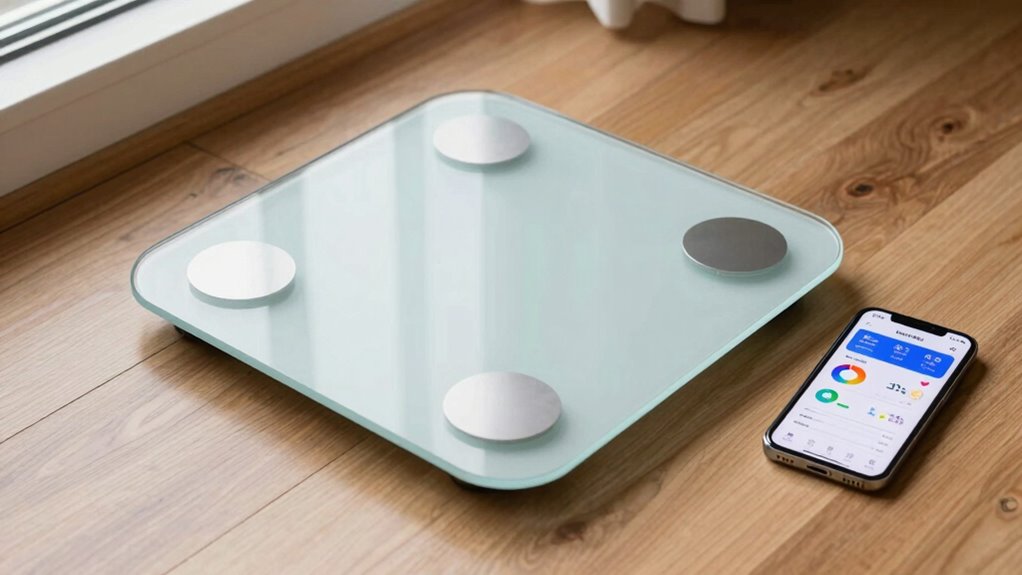
Interpreting your smart scale results requires a careful and informed approach to avoid misunderstanding your health data. Remember, these devices provide estimates, not definitive measures. Focus on trends over time rather than single readings, and consider how factors like calorie counting or sleep quality influence your results. For example, poor sleep can temporarily skew hydration or weight metrics, while consistent calorie intake impacts body composition. Avoid fixating on minor fluctuations; instead, look for overall progress. Use your results as a guide, not a strict rule, and combine them with other health habits. By maintaining a balanced perspective, you can make smarter choices without becoming overly obsessed or discouraged. This responsible approach helps turn data into meaningful insights.
When Should You Consult a Professional Over Your Smart Scale Data?
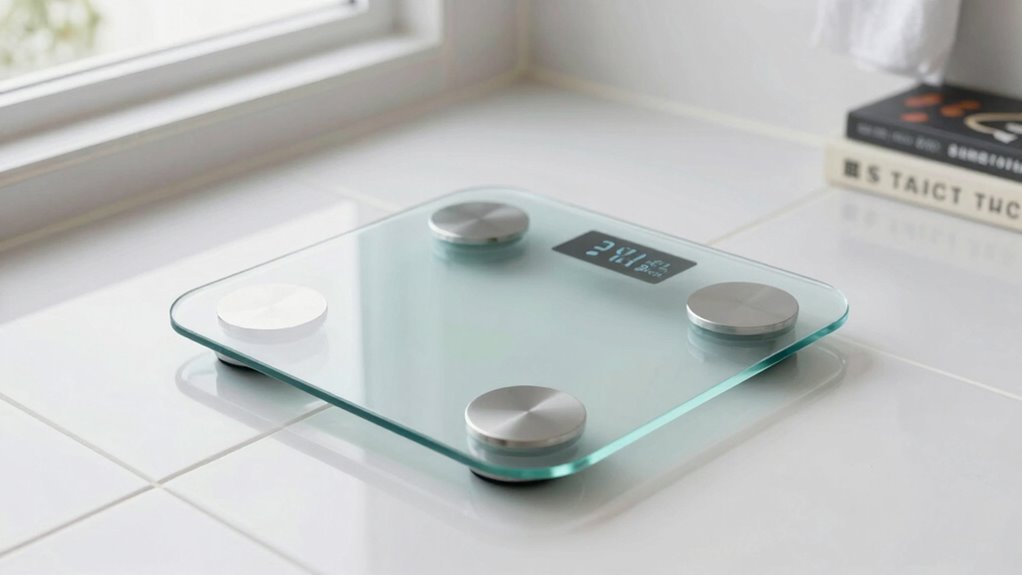
While tracking your health data with a smart scale can be helpful, there are times when professional guidance becomes necessary. If you notice persistent or sudden changes in your body composition metrics, it’s wise to seek a medical consultation. Also, if your results cause anxiety or negatively impact your mental health, a psychological assessment can provide support. Consider consulting a professional in these situations:
Seek professional advice if you experience sudden changes or mental health impacts from your scale data.
- Significant or unexplained weight fluctuations or body composition shifts.
- Symptoms of health issues that your scale data doesn’t explain.
- Emotional distress or obsessive behaviors related to your measurements.
Frequently Asked Questions
Can Smart Scales Measure Bone Density Accurately?
Smart scales can’t measure bone density accurately. They estimate bone mass using bioelectrical impedance, but this method isn’t precise for mineral density or detailed bone health. If you’re concerned about your bone health, especially mineral density, consult a healthcare professional for specialized tests like DEXA scans. Smart scales provide helpful insights on body composition, but they aren’t a substitute for thorough medical assessments.
Do Smart Scales Differentiate Between Visceral and Subcutaneous Fat?
Oh, of course, smart scales can perfectly differentiate between visceral and subcutaneous fat—just like they can tell you how much you weigh without any bias. In reality, they don’t distinguish these fat types accurately. They estimate overall body fat, but visceral fat and subcutaneous fat blend together in their measurements. So, don’t rely on them for precise insights into your visceral or subcutaneous fat levels.
How Do Age and Gender Affect Scale Measurements?
Age impact and gender differences influence your smart scale measurements markedly. As you age, your body composition shifts, affecting metrics like muscle mass and water weight, which the scale detects. Gender differences also play a role; men typically have more muscle, altering readings. Keep in mind, these factors can cause variations in results, so consider them when tracking progress for a more accurate understanding of your health.
Can Smart Scales Assess Metabolic Rate or Calorie Needs?
Smart scales can’t directly assess your metabolic rate or calorie needs. They provide an estimated metabolic rate based on bioelectrical impedance and other data, but this is only a rough approximation. For accurate metabolic rate estimation and calorie need assessment, you should consult a healthcare professional or use specialized tests. Relying solely on smart scales for these metrics isn’t advisable, as they lack the precision needed for personalized health decisions.
Are Smart Scale Metrics Useful for Tracking Athletic Performance?
Think of smart scale metrics as a map, not the destination. While they can track changes in body composition, they aren’t reliable for athletic performance. Fitness myths persist, but these metrics mainly impact your lifestyle by showing trends, not your true athletic progress. Use them as a guide, but don’t depend solely on smart scales for performance goals—they can’t measure strength, endurance, or skill.
Conclusion
Remember, smart scales can provide valuable insights, but they aren’t perfect. Did you know that body composition changes can be as much as 2-3% due to hydration or time of day? So, don’t rely solely on these numbers. Use them as a guide, but consult professionals for a complete picture of your health. Stay mindful, track consistently, and focus on overall well-being—your health journey deserves it.