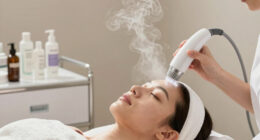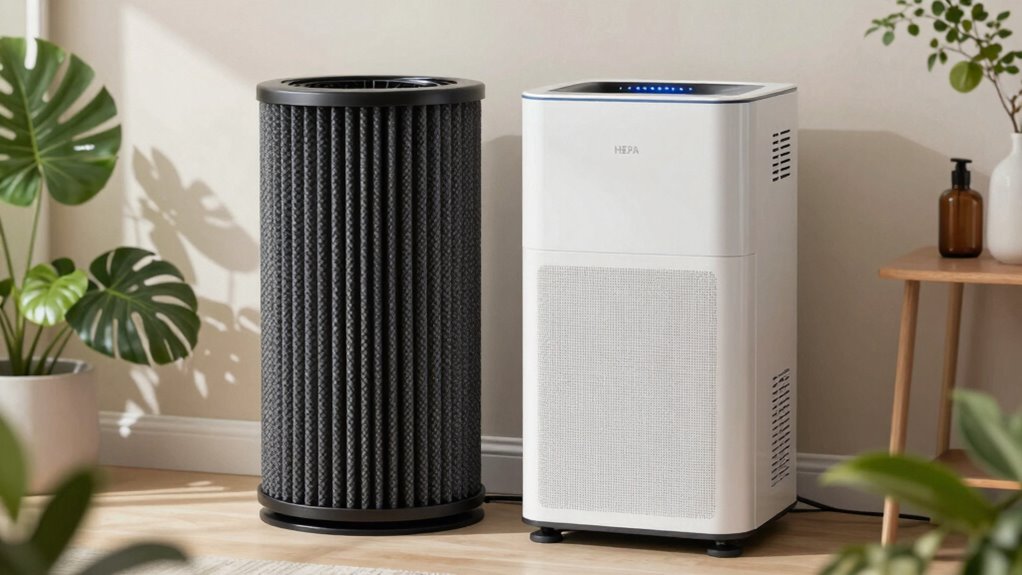

In wellness rooms, choosing between carbon filters and HEPA filters depends on your primary concerns. If you want to eliminate odors, chemical fumes, or VOCs, go for a carbon filter. For reducing airborne allergens like pollen or pet dander, a HEPA filter is your best bet. Combining both gives you thorough purification, covering all bases for a safer, calmer environment. Keep exploring to discover how to optimize your air quality effectively.

Get art and craft supplies delivered free with Prime
- Fast, free delivery on millions of items
- Prime Video, Amazon Music and more included
- Member-only deals all year
Key Takeaways
- Carbon filters effectively absorb odors, VOCs, and chemical fumes, while HEPA filters target airborne allergens like pollen and dust.
- HEPA filters remove at least 99.97% of particles as small as 0.3 microns, ideal for allergy-sensitive environments.
- Combining both filters offers comprehensive air purification, addressing both chemical pollutants and allergens simultaneously.
- Carbon filters are best for chemical fumes and scents; HEPA filters excel at allergen removal in wellness settings.
- Regular maintenance and filter replacement are essential to sustain optimal performance of both filter types.
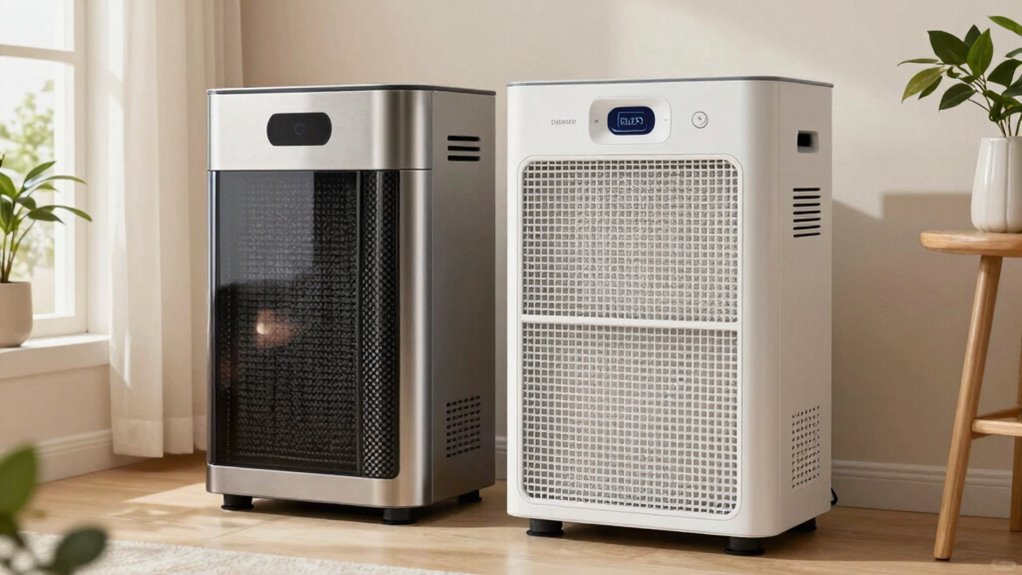
When it comes to creating a healthy environment in wellness rooms, choosing the right air filtration system is vital. You want to guarantee the air is purified effectively so that clients and staff breathe clean, fresh air. Two popular options are carbon filters and HEPA filters, each offering unique benefits for air purification and allergens removal. Understanding how these systems work helps you make an informed decision that suits your space’s needs.
Carbon filters excel at absorbing odors, volatile organic compounds (VOCs), and chemical fumes. If your wellness room involves aromatherapy, essential oils, or any practices that produce strong scents or airborne chemicals, a carbon filter can help keep the air neutral and free from lingering smells. They work by trapping gases and chemicals in the filter’s activated carbon, effectively neutralizing odors that other filters might miss. However, carbon filters aren’t designed primarily for allergens like pollen, pet dander, or dust mites. They do a great job at air purification when chemical pollutants are a concern, but if airborne allergens are a primary issue, you’ll need a different solution.
HEPA filters, on the other hand, are renowned for their superior ability to remove airborne particles. They trap at least 99.97% of particles as small as 0.3 microns, including allergens such as pollen, dust, mold spores, and pet dander. If your goal is to improve indoor air quality by reducing allergens, HEPA filters are highly effective. They’re especially useful in wellness rooms where clients may have allergies or respiratory sensitivities, ensuring the air is as clean and safe as possible. While HEPA filters excel at allergens removal, they don’t substantially impact odors or chemical fumes, so combining them with a carbon filter might be the best approach if both issues are present.
In many wellness settings, a combination of both filters offers thorough air purification. You get the chemical and odor absorption power of carbon filters alongside the allergens removal capabilities of HEPA filters. This dual approach ensures your wellness room maintains ideal air quality, free from both irritants and unwanted smells. When selecting a system, consider your main concerns—whether chemical pollutants or airborne allergens—and prioritize filters that address those issues. Properly maintained, these systems will help you create a safe, calming environment where clients can relax and breathe easily. Understanding filter types can help you better evaluate which system aligns with your specific needs, especially when considering the different filtration technologies available. Additionally, exploring filter maintenance can extend the lifespan and efficiency of your chosen system. Regularly checking and replacing filters ensures optimal performance and air quality standards, contributing to a healthier indoor environment.
As an affiliate, we earn on qualifying purchases.
Frequently Asked Questions
Which Filter Type Is More Energy-Efficient for Wellness Rooms?
You’ll find carbon filters are generally more energy-efficient for wellness rooms because they consume less energy due to lower airflow resistance. They also tend to have longer filter longevity, meaning you won’t need to replace them as often, saving you money and effort. HEPA filters, while highly effective at trapping particles, usually use more energy because they require more powerful fans to push air through dense fibers.
How Often Should Carbon Filters Be Replaced Compared to HEPA Filters?
You should replace carbon filters every 3 to 6 months, depending on usage and air quality, due to their shorter filter lifespan. In contrast, HEPA filters typically last 12 to 18 months before needing replacement. Regularly checking your filters guarantees peak air quality. Keep in mind, replacement frequency varies with environmental factors and how heavily you use your wellness room, so monitor your filters regularly.
Do Carbon Filters Remove Allergens Like Pollen and Dust?
Absolutely, carbon filters do a great job of removing airborne particles like pollen and dust, helping create a cleaner, calmer wellness space. They excel at absorbing odors and chemicals but aren’t as effective against tiny allergens compared to HEPA filters. Regular filter maintenance guarantees peak performance, so check and replace your carbon filter as recommended. This simple step sustains spotless air quality, supporting your wellness room’s health and harmony.
Are HEPA Filters Effective Against Volatile Organic Compounds (VOCS)?
HEPA filters are not effective against VOCs, as they mainly trap particles like dust, pollen, and pet dander. For VOC removal, you’ll want a filter with activated carbon or charcoal. These filters absorb gases and odors, improving air quality. Keep in mind, carbon filters have limited filter longevity; you’ll need to replace them regularly to maintain their effectiveness against VOCs and guarantee ideal air purification in your wellness room.
Can Combining Both Filters Improve Air Purification in Wellness Spaces?
Yes, combining both filters can improve air quality in your wellness space. HEPA filters trap airborne particles like dust and allergens, while carbon filters absorb VOCs and odors. This dual setup ensures cleaner, fresher air. Just remember, regular filter maintenance is key to keeping both filters effective. By maintaining them properly, you’ll ensure maximum air purification, creating a healthier environment for your wellness room.
Conclusion
Ultimately, choosing between carbon filters and HEPA for your wellness room feels like a coincidence of needs and preferences. While carbon filters excel at odor control, HEPA filters catch tiny particles, making the air safer to breathe. Sometimes, it’s about finding the right fit for your space — a perfect match that unexpectedly transforms your environment into a true sanctuary. In the end, whether you choose one or combine both, your wellness journey takes a invigorating turn.
Halloween Picks
halloween
As an affiliate, we earn on qualifying purchases.