
Cold exposure therapy, including the Wim Hof Method, combines cold water immersion with breathing exercises to boost your recovery, immune system, and mental resilience. You can start by gradually lowering your shower temperature, using breathing techniques to stay calm and extend cold durations. Regular practice helps you adapt and access these benefits more effectively. If you keep exploring, you’ll discover how to incorporate these methods for maximum health and vitality.
Key Takeaways
- The Wim Hof Method combines breathing exercises, meditation, and cold exposure to enhance resilience and immune function.
- Cold exposure benefits include reduced inflammation, faster recovery, improved circulation, and mental clarity.
- Beginners can start with gradual cold showers, integrating breathing techniques for better adaptation and comfort.
- Consistent practice of cold exposure and Wim Hof techniques can boost energy, reduce stress, and strengthen the nervous system.
- Beyond Wim Hof, other methods like ice baths and gradual cold acclimation also promote physical and mental health benefits.

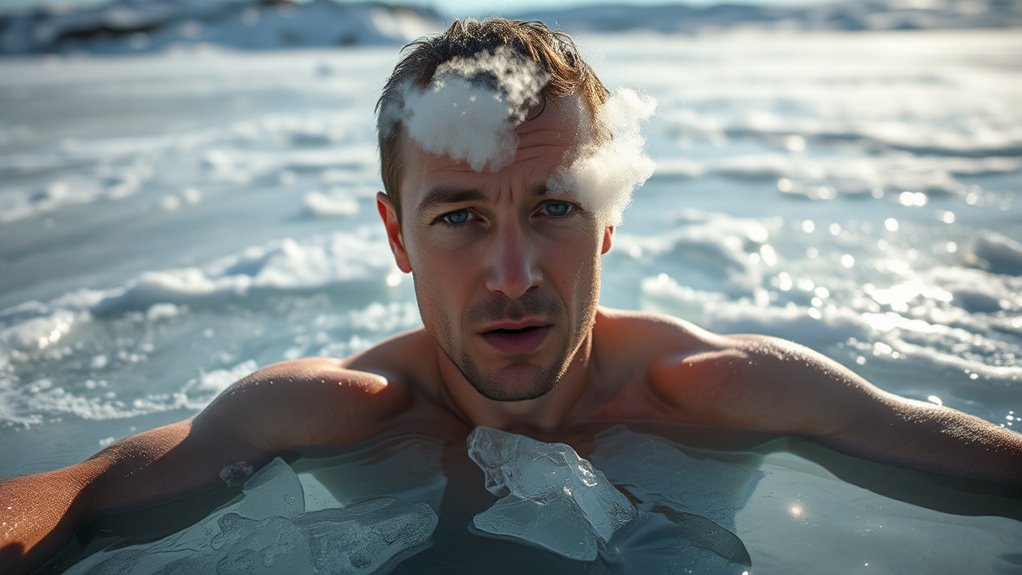
Cold exposure therapy involves intentionally exposing your body to cold temperatures to promote health benefits. One popular method is taking ice baths, which have gained attention for their potential to boost recovery, reduce inflammation, and improve mental resilience. Ice bath benefits are well-documented among athletes and wellness enthusiasts alike, as submerging your body in cold water constricts blood vessels, flushes out metabolic waste, and speeds up muscle recovery. You might wonder how to start safely—using cold shower techniques is a practical entry point. These techniques involve gradually lowering the water temperature during your shower, helping your body adapt to colder stimuli without shock. Over time, you can extend the duration or decrease the temperature further, building tolerance and maximizing benefits.
Incorporating cold shower techniques into your routine is straightforward and cost-effective, making it accessible for most people. Begin by turning the water to a cool setting at the end of your regular shower, and stay under it for 30 seconds to a minute. As you get more comfortable, you can extend this period or switch to a colder setting sooner. The key is consistency—regular exposure trains your nervous system to handle cold more efficiently, leading to improved circulation, increased alertness, and even enhanced immune function. Cold showers also promote mental clarity by activating the sympathetic nervous system, often resulting in a feeling of invigoration that lasts long after your shower ends.
Beyond ice baths and cold showers, the Wim Hof Method combines breathing exercises, meditation, and cold exposure to amplify benefits. Hof’s approach emphasizes controlled breathing to manage the shock of cold exposure, making it easier to endure longer durations. This method has shown promise in reducing stress, boosting energy levels, and strengthening the immune response. While you don’t need to adopt the full Wim Hof routine immediately, integrating breathing techniques into your cold exposure practice can help you stay calm and focused, especially during initial exposure sessions.
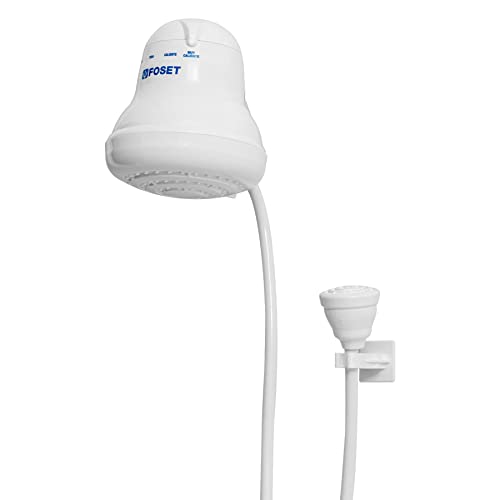
Foset 49491 Electric Shower Head – Instant Hot Water, 4 Temperature Levels – Hand Shower Head with 5 ft Hose Included
4 available temperatures: Cold, Warm, Hot, Very Hot.
As an affiliate, we earn on qualifying purchases.
As an affiliate, we earn on qualifying purchases.
Frequently Asked Questions
Can Cold Exposure Therapy Help With Mental Health Issues?
Yes, cold exposure therapy can help with mental health issues by boosting mindfulness benefits and triggering positive physiological effects. You might find that regular cold exposure improves your mood, reduces anxiety, and enhances your resilience to stress. The physiological effects, like increased endorphin release and improved circulation, support mental well-being. By practicing cold exposure, you actively engage in a method that promotes mental clarity and emotional balance.
Are There Any Long-Term Risks Associated With Intense Cold Exposure?
Long-term effects of intense cold exposure can include risks like hypothermia, frostbite, or immune system suppression if you don’t practice risk management properly. You might also develop nerve damage or cardiovascular issues over time. To minimize these risks, it is crucial to start slowly, monitor your body’s responses, and avoid overexposure. Regularly consulting with a healthcare professional helps guarantee you’re practicing cold exposure safely and effectively long-term.
How Quickly Can Beginners Expect to See Benefits?
Think of cold adaptation as planting a seed; you’ll start noticing sprouting benefits within a few sessions. As you practice regularly, you may experience symptom relief and improved resilience in just a couple of weeks. The key is consistency—your body gradually adjusts, making cold exposure feel more natural. So, stick with it, and you’ll soon see the positive effects unfold, like a garden blooming with health and vigor.
Is Cold Exposure Safe for Children or Elderly Individuals?
Cold exposure isn’t generally safe for children or elderly individuals without medical guidance. Child safety is a priority, and they should only participate under supervision and in controlled environments. Elderly considerations include their health status and cardiovascular risk, so consult a healthcare provider before starting cold exposure. For both groups, gradual exposure and professional advice are essential to prevent hypothermia or other adverse effects.
What Equipment Is Recommended for Safe Cold Exposure Practice?
Think of cold exposure as preparing for a voyage; you need the right gear to sail safely. You should choose a wetsuit that fits snugly, providing insulation and comfort. For ice bath setup, use a sturdy tub, non-slip mats, and a thermometer to monitor water temperature. Always start with short durations and gradually increase exposure, ensuring safety and comfort during your chilly adventure.

Bubplay Ice Bath Cold Plunge Tub with Cover for Indoor Outdoor for Recovery, Cold Water Therapy, Athletes & Adults -105 Gallons, Black, XL
【XL Full-Body Cold Plunge for Most Adults】 Designed for an immersive ice bath / cold plunge experience with…
As an affiliate, we earn on qualifying purchases.
As an affiliate, we earn on qualifying purchases.
Conclusion
Think of cold exposure therapy as a forge for your resilience, shaping you into a stronger, more adaptable version of yourself. By embracing the chill, you unveil hidden potential and build mental toughness that lasts. Whether you follow the Wim Hof Method or explore other techniques, every icy plunge is a step toward greater vitality. So, plunge in confidently—your body and mind are ready to be tempered by the cold’s transformative power.

The Wim Hof Method: Activate Your Full Human Potential
As an affiliate, we earn on qualifying purchases.
As an affiliate, we earn on qualifying purchases.

Circulating Cold Water Therapy Ice Machine Gen 2 by Arctic Ice Clear – for Knee, Elbow, Shoulder, Back Pain, Swelling, Sprains, Injuries (Arctic Ice Clear) (with Universal Pad)
DURABLE AND QUIET MOTOR: Designed for ease of use, the cooling therapy system is whisper quiet, compact and…
As an affiliate, we earn on qualifying purchases.
As an affiliate, we earn on qualifying purchases.