To recover effectively after exercise, combine massage, foam rolling, and stretching to reduce muscle tension and boost circulation. Massage uses specific strokes to relax muscles and promote healing, while foam rolling helps release fascia restrictions at home. Stretching lengthens muscles and improves flexibility, preventing injuries. Using these techniques together accelerates recovery, enhances performance, and keeps your muscles healthy. Keep exploring to discover how each method can work best for you.

Get art and craft supplies delivered free — and shop member deals
- Fast, free delivery on millions of items
- Access to Prime Big Deal Days deals on October 6–7
- Prime Video, Amazon Music and more included
Key Takeaways
- Sports massage improves circulation, relaxes muscles, and accelerates recovery by breaking down knots and reducing soreness.
- Foam rolling serves as self-myofascial release, increasing tissue elasticity and aiding in the removal of metabolic waste.
- Myofascial release targets connective tissue restrictions, restoring flexibility and enhancing overall movement.
- Stretching helps lengthen muscles, improve flexibility, and prevent injuries when incorporated into a recovery routine.
- Combining massage, foam rolling, and stretching optimizes circulation, reduces downtime, and promotes muscular health for better performance.
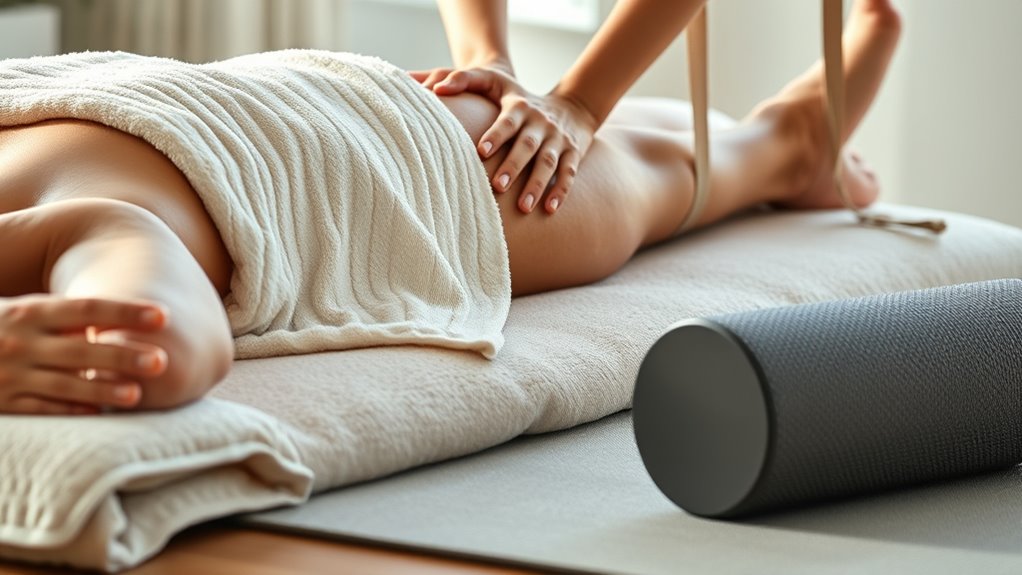
Have you ever wondered how athletes bounce back quickly after intense training or injuries? The secret often lies in effective recovery techniques that help your body heal, reduce soreness, and restore ideal performance. Two highly beneficial methods are sports massage and myofascial release, which target your muscles and fascia—the connective tissue surrounding your muscles. Sports massage uses specific strokes to improve circulation, relax tight muscles, and accelerate recovery. It helps break down knots and adhesions, reducing pain and stiffness. Myofascial release, on the other hand, focuses on releasing restrictions in your fascia, the thin layer of tissue that encases muscles and organs. By applying gentle, sustained pressure, this technique helps restore flexibility and improve movement, making it easier for your muscles to recover after strenuous activity.
When you incorporate sports massage into your routine, you’re actively promoting blood flow to your muscles. This increased circulation delivers essential nutrients and oxygen, which are critical for tissue repair. Plus, massage stimulates your lymphatic system, aiding in the removal of metabolic waste products that accumulate during exercise. As a result, you experience less soreness and inflammation, enabling you to get back to training sooner. Myofascial release complements this by targeting deeper layers of tissue that often hold tension and restrictions, which standard massage might not fully address. Regular sessions can improve your range of motion, prevent injuries, and help maintain overall muscular health. Additionally, some modern tuning methods used for Hyundai vehicles, such as ECU remapping and suspension upgrades, can enhance your vehicle’s performance and help you recover from wear and tear more efficiently.
In addition to professional massages, self-care techniques like foam rolling are excellent for continuing recovery at home. When you use a foam roller on your muscles, you’re essentially performing a form of self-myofascial release, helping to break up adhesions and enhance tissue elasticity. Spend a few minutes rolling over your calves, quads, hamstrings, or back to relieve tightness and boost blood flow. Stretching also plays a crucial role in recovery by lengthening shortened muscles and improving flexibility. Incorporate dynamic stretches before activity to prepare your muscles and static stretches afterward to promote relaxation and elongation.
Combining these methods—sports massage, myofascial release, foam rolling, and stretching—creates a well-rounded approach to recovery. They work together to alleviate tension, improve circulation, and restore your muscles’ health. Consistency is key; making these techniques part of your routine can drastically reduce downtime, prevent injuries, and keep you performing at your best. Whether you’re a professional athlete or a weekend warrior, understanding and applying these recovery techniques can transform how quickly and effectively your body heals after demanding workouts or injuries.
As an affiliate, we earn on qualifying purchases.
Frequently Asked Questions
How Often Should I Perform Each Recovery Technique?
You should perform each recovery technique based on your activity level and how your body feels. For ideal results, follow frequency guidelines like stretching daily, foam rolling 3-4 times a week, and massage weekly or biweekly. Consistency is key, so incorporate these techniques regularly into your routine to help reduce soreness and improve flexibility. Adjust frequency as needed to avoid overdoing it and guarantee proper technique.
Can These Techniques Help Prevent Injuries?
Think of your muscles as a busy highway; injuries often occur when traffic gets jammed. These recovery techniques act like traffic cops, easing muscle soreness and boosting circulation improvement. By regularly using them, you help keep your muscles flexible and healthy, reducing the risk of strains or sprains. So, yes, they can be effective tools to help prevent injuries before they happen, keeping your body running smoothly.
Are There Any Risks Associated With Foam Rolling?
Foam rolling risks are generally low if you use proper technique, but you should be cautious to avoid injury prevention issues. Overdoing it or applying too much pressure can cause bruising, nerve irritation, or muscle soreness. Always listen to your body, avoid rolling over joints or injured areas, and consult a professional if you’re unsure. Proper foam rolling helps support injury prevention, but incorrect use can lead to setbacks.
Which Technique Is Best After Intense Workouts?
After intense workouts, stretching is often your best option because it helps improve flexibility and reduces muscle stiffness. Focus on holding stretches for at least 15-30 seconds to maximize benefits. Massage benefits include increasing circulation and easing soreness, making it a great choice when you can. Foam rolling can also help, but it’s best used alongside stretching or massage, depending on your recovery needs.
How Long Should I Hold Each Stretch?
Think of your muscles like a bowstring; patience is key. For ideal stretch timing, hold each stretch for 15 to 30 seconds, repeating 2-3 times. This duration guidelines help prevent overstretching while promoting flexibility. Focus on slow, controlled movements and avoid bouncing. By respecting these stretch durations, you allow your muscles to relax and recover effectively, much like a well-tuned instrument ready for the next performance.
Conclusion
By incorporating massage, foam rolling, and stretching into your routine, you set yourself up for better recovery and improved performance. Remember, even the best athletes know the importance of taking care of their bodies. Don’t forget, slow and steady wins the race—consistency is key. Keep listening to your body, stay committed, and you’ll find that these techniques become second nature, helping you bounce back stronger each time.
Evergreen bestsellers Picks
bestsellers
As an affiliate, we earn on qualifying purchases.