To start cold plunges safely without experiencing cold shock, gradually expose yourself to cold water, beginning with short sessions in lukewarm water. Focus on controlling your breathing with slow, deep breaths, and monitor your heart rate and breathing during each dip. Don’t rush or ignore your body’s signals—pause if you feel overwhelmed or uncomfortable. Patience and gradual adaptation are key. Keep exploring ways to build your tolerance safely for a better cold plunge experience.
Key Takeaways
- Gradually acclimate your body by starting with lukewarm water before progressing to colder temperatures.
- Practice deep, controlled breathing techniques to manage shock and maintain calm during immersion.
- Limit initial dips to 1-2 minutes, gradually increasing duration as your tolerance improves.
- Use heart rate monitors to stay within safe limits and recognize signs of overexertion or distress.
- Always listen to your body signals, exit immediately if experiencing dizziness, chest pain, or irregular breathing.

Cold Plunge Test Strips, 4-in-1 Water Quality Testing Kit, pH, Alkalinity, Hardness, Hydrogen Peroxide. Evaluate Your Cold Plunge Water Quality with A Single Strip. Smart QR Calculator to Help You
4-IN-1 TESTING: Measures pH levels, total alkalinity, water hardness, and hydrogen peroxide (0ppm to 100ppm) concentration in your…
As an affiliate, we earn on qualifying purchases.
As an affiliate, we earn on qualifying purchases.
What Is Cold Shock and How Can You Recognize It?
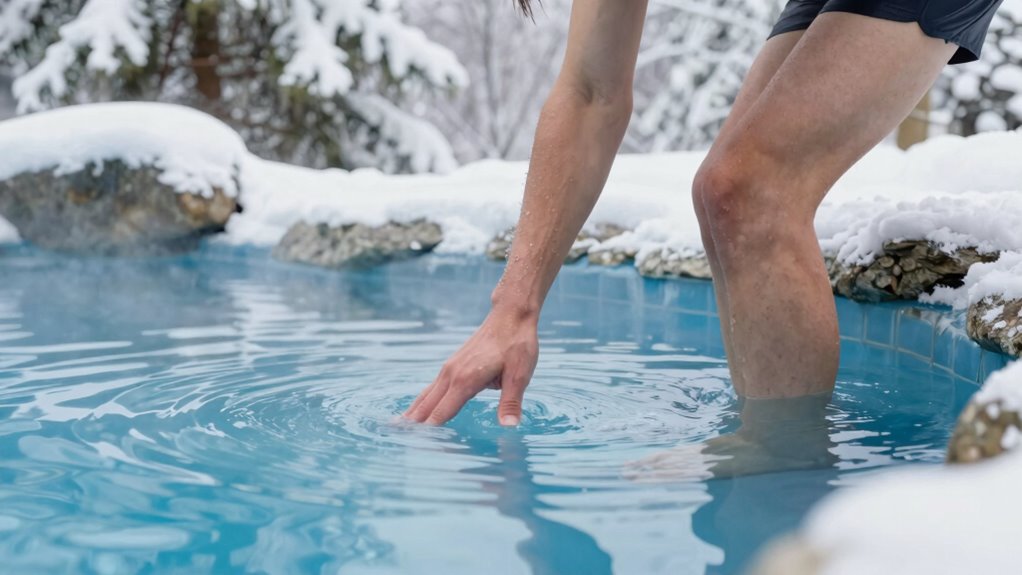
What exactly is cold shock, and how can you identify it? Cold shock is a sudden physiological response to rapid immersion in cold water. It happens within seconds and triggers a series of involuntary reactions, like gasping, hyperventilation, and increased heart rate. You might feel a sharp, intense sensation as your body reacts defensively to the cold. This response can cause panic, disorientation, or even a struggle to breathe properly. Recognizing cold shock early is vital for safety, and understanding its symptoms can help you stay calm and take appropriate action. If you notice yourself gasping or your breathing becoming rapid and uncontrollable, it’s a clear sign of this physiological response. Cold water immersion can be challenging for the body to handle initially, but proper preparation can help mitigate the initial shock response and improve safety outcomes. Being aware of the body’s natural reactions can also assist in managing the situation effectively. Additionally, understanding the initial physiological responses can help you react more calmly and prevent escalation. Understanding cold shock symptoms is essential for safe cold water practices and can make the difference between a controlled response and a dangerous situation.

Silicone Cover Ice Bath Thermometer with Timer, Waterproof Floating Water Thermometer for Cold Plunge, Works with Ice Bath Tub Hot Tub Accurate Recovery(Black)
ICE BATH THERMOMETER WITH TIMER: Elevate your cold plunge tub experience with real-time temperature readings and accurate time…
As an affiliate, we earn on qualifying purchases.
As an affiliate, we earn on qualifying purchases.
How to Prepare for Cold Water Dips Safely
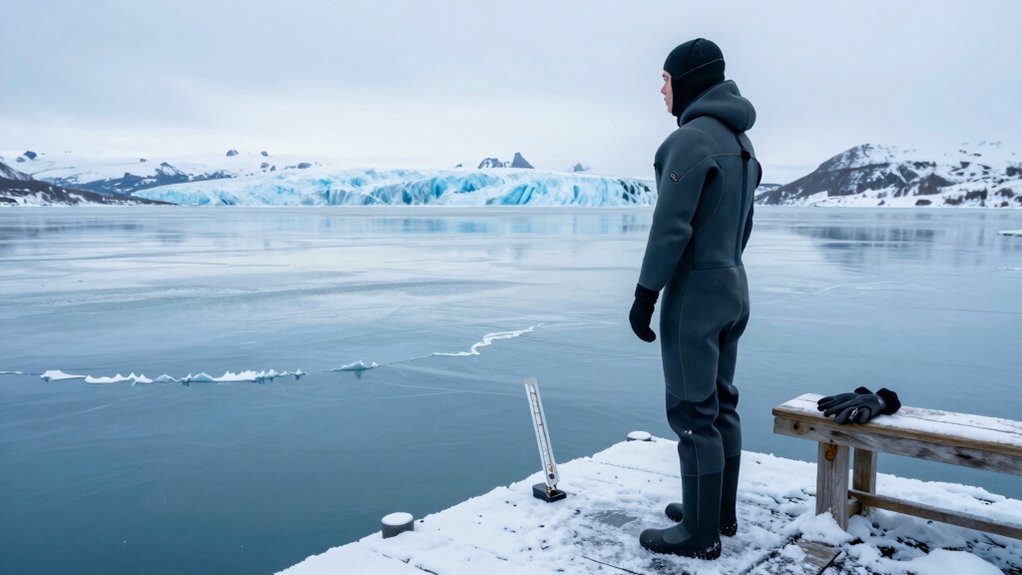
Preparing for a cold water dip can help you stay safe and avoid serious reactions like cold shock. Focus on mental preparation by calming your mind and setting realistic expectations. Practice breathing techniques beforehand, such as deep, slow inhales and controlled exhales, to stay relaxed in the water. Visualize your dip, imagining yourself staying calm and breathing steadily. Avoid rushing into the water; instead, take time to mentally prepare and build confidence. Being aware of your body’s responses helps you stay centered and reduces anxiety. Incorporating hydrating ingredients into your preparation can also support your skin’s resilience against cold exposure. Additionally, understanding how to control your body’s responses through breathing techniques can significantly improve your experience. Developing a mindfulness practice can further enhance your mental readiness and help you remain present during the dip. Engaging in relaxation exercises can also promote a calmer state of mind before entering cold water. Recognizing the importance of body awareness can help you respond more effectively during your immersion. Remember, mental readiness combined with proper breathing techniques can make your cold plunge safer and more manageable. This preparation creates a solid foundation for a controlled, safe experience in cold water.
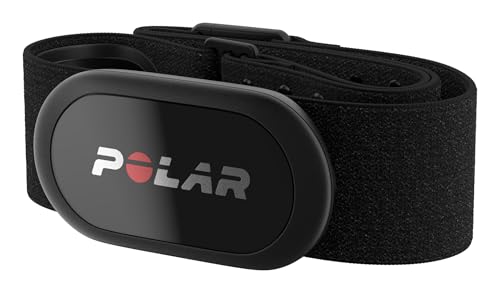
Polar H10 Heart Rate Monitor Chest Strap – ANT + Bluetooth, Waterproof HR Sensor for Men and Women, Black, M-XXL
WORKS WITH EVERYTHING: Polar HRM works with ALL HRM compatible Equipment.
As an affiliate, we earn on qualifying purchases.
As an affiliate, we earn on qualifying purchases.
Start Slow: Gradually Get Used to Cold Water Exposure
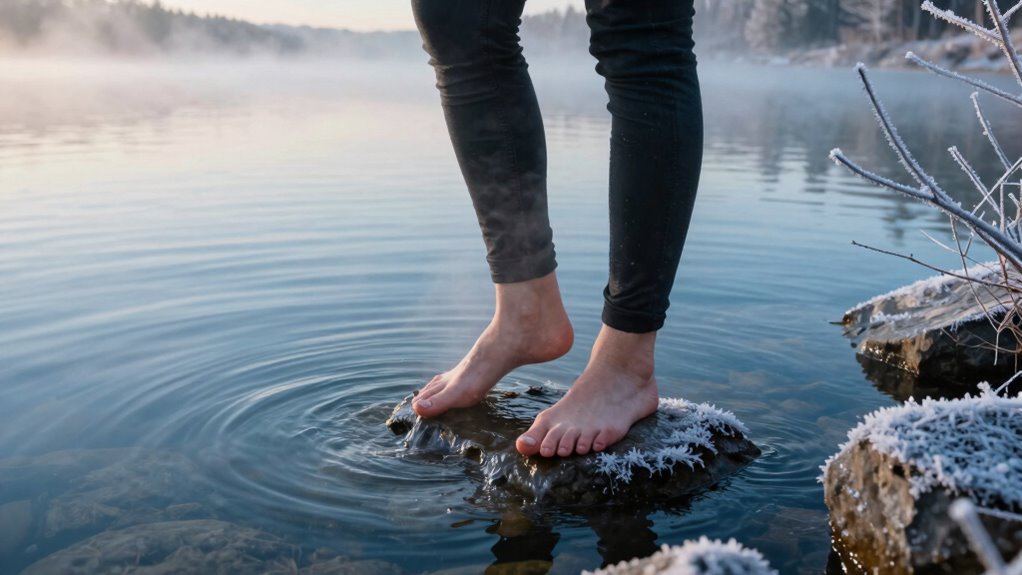
To safely get used to cold water, start with short, consistent sessions so your body can adapt gradually. Begin with lukewarm water and slowly lower the temperature over time as you become more comfortable. As your tolerance builds, increase your time in the water gradually to prevent shock or discomfort. Incorporating proper breathing techniques can also help manage the initial cold shock response and improve your overall experience. Additionally, understanding the importance of gradual adaptation can help you develop a sustainable routine that minimizes risks and enhances benefits. Recognizing the microplastics in dust as part of indoor air quality concerns highlights the importance of maintaining a clean environment during cold plunge routines. Furthermore, paying attention to safety features such as proper immersion techniques and monitoring can further support your safety and confidence during cold plunges.
Consistent Short Sessions
Starting with short, manageable sessions is essential when beginning cold plunge routines. Gradually increasing your time helps your body adapt without overwhelming it. Focus on breathing techniques to stay calm and conserve energy, strengthening your mental resilience. Incorporating proper preparation can further enhance your safety and comfort during cold water exposure. Additionally, understanding your initial symptoms can help you recognize and respond to your body’s signals effectively. Being aware of cold shock responses enables you to take proactive steps to minimize risks. Repeated exposure with gradual progression builds confidence and reduces the risk of cold shock. To stay motivated and track progress, consider this table:
| Session Duration | Focus Area |
|---|---|
| 1-2 minutes | Breathing control |
| 2-3 minutes | Relaxation techniques |
| 3-4 minutes | Mental resilience |
| 4-5 minutes | Endurance building |
| 5+ minutes | Extended adaptation |
Use Lukewarm Water First
Even if you’re enthusiastic to jump into cold water, it’s wise to start with lukewarm water first. This approach helps your body gradually adapt, minimizing intense psycho physiological responses like rapid breathing and elevated heart rate. By easing into slightly warmer water, you give your body time to implement cold adaptation strategies safely. This initial step reduces the shock to your system, making future cold plunges more manageable. Starting with lukewarm water also allows you to focus on breathing control and mindfulness, which are essential for safe cold exposure. Remember, gradual exposure helps your nervous system build tolerance without overwhelming it, setting a solid foundation for more intense cold water sessions later on. Incorporating home safety measures can further enhance your comfort and security during cold plunges. Practicing proper warming up techniques before and after cold water exposure can also support your body’s recovery and safety. Additionally, understanding power storage principles can help ensure your equipment remains safe and reliable, especially if you’re using electrical devices outdoors or in damp environments. Embracing a mindful approach during your cold plunge can improve your resilience and overall experience. This slow progression is key to enjoying cold plunges safely and effectively.
Gradually Increase Duration
After easing into lukewarm water, it’s important to gradually extend your time in the cold. Start with short durations, listening to your body’s signals. Use breathing techniques to stay calm and maintain mental focus, which helps prevent panic and cold shock. As you grow more comfortable, slowly increase your exposure by a minute or two each session. This gradual approach allows your body to adapt safely without overwhelming your nervous system. Consistent practice builds mental resilience, making cold water exposure feel more manageable over time. Remember, rushing can trigger adverse reactions, so patience is key. By carefully extending your time and honing your breathing techniques, you’ll develop a stronger, safer cold plunge routine that minimizes risks and boosts your confidence.

The Pod Company Ice Pod Pro Cold Plunge Tub, 110 Gallon (420L) Inflatable Ice Bath for Adults, Fits Up to 6'7", Insulated, Chiller Compatible, BPA-Free, UV-Resistant Nylon, Dual Drain Hoses
NEXT-LEVEL COLD PLUNGING – The Ice Pod Pro delivers a premium at-home cold therapy experience with upgraded materials,…
As an affiliate, we earn on qualifying purchases.
As an affiliate, we earn on qualifying purchases.
How to Monitor Your Heart Rate and Breathing During Dips

To stay safe during cold dips, you need to keep track of your heart rate and breathing. Using a heart rate monitor helps you stay within safe limits, while recognizing signs of labored breathing alerts you to stop if needed. Adjust your exposure accordingly to guarantee you enjoy the benefits without risking your health.
Use Heart Rate Monitors
Using a heart rate monitor during cold plunges allows you to keep a close eye on your body’s response and guarantee safety. It helps you track your heart rate, so you can recognize when your body is under stress, aiding mental adaptation. By monitoring these signals, you can adjust your breathing techniques to stay calm and prevent overexertion. Staying aware of your heart rate encourages you to develop a mental connection with your body’s limits, making each dip safer and more controlled. The monitor provides real-time feedback, ensuring you don’t push beyond safe thresholds. With consistent use, you’ll build confidence, refine your breathing, and better understand your body’s signals, enabling you to enjoy cold plunges while minimizing risks.
Recognize Breathing Signs
How can you effectively monitor your breathing and heart rate during a cold plunge? Pay close attention to your breathing signs and stress responses. Notice if your breathing becomes rapid, shallow, or irregular—these are signals your body is reacting strongly. Using breathing techniques like slow, deep inhales can help manage stress responses. To stay alert, track changes in your breath and heart rate with this simple guide:
| Breathing Pattern | Stress Response | Action to Take |
|---|---|---|
| Rapid, shallow | Overstimulation | Slow down, breathe deeply |
| Irregular | Anxiety or shock | Focus on steady breaths |
| Deep, slow | Calm and control | Maintain current pace |
| Short breaths | Early stress signs | Reset with calming breaths |
| Consistent, calm | Safe state | Continue with caution |
Adjust Cold Exposure
Monitoring your heart rate and breathing during a cold plunge is essential for safety and effectiveness. Keep an eye on how your body responds, adjusting your cold exposure as needed. Practice breath control to stay calm and prevent panic, which helps manage your heart rate. Focus on slow, deliberate breaths to build mental resilience and avoid overexertion. If you notice your breathing becoming rapid or your heart pounding too hard, it’s time to cut your dip short or warm up gradually. Tracking these signals allows you to gradually adapt to colder temperatures without risking shock. Remember, consistent monitoring helps you develop a better understanding of your limits, fostering confidence and safety during each session.
Safety Tips: When to Stop and How to Seek Help

Knowing when to stop your cold plunge and seeking help promptly can prevent serious health issues. If you experience chest pain, dizziness, or confusion, it’s time to exit immediately. Always prioritize emergency preparedness by keeping a phone nearby and knowing emergency contacts. Pay attention to mental health considerations—if you start feeling overwhelmed or anxious, pause and reassess. Remember, cold exposure affects everyone differently; don’t push past your limits. If symptoms worsen or don’t improve after exiting, seek medical help without delay. Staying alert and listening to your body helps avoid dangerous situations. Being prepared and aware ensures your cold plunge remains a safe, beneficial experience rather than a health risk.
Build Your Cold Tolerance Over Time Safely
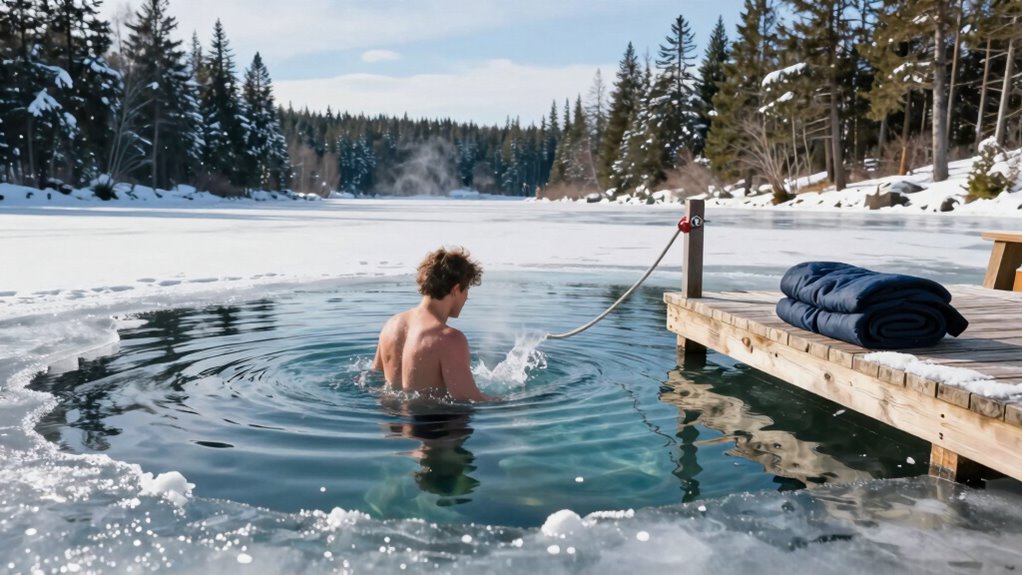
Building your cold tolerance safely requires gradual exposure and listening to your body’s signals. Before each session, engage in mental preparation to set realistic expectations and stay calm. Developing mental resilience helps you push through initial discomfort without overexerting yourself. Start with short dips and slowly increase the duration as your body adapts. Focus on controlled breathing, which can calm your nervous system and reduce the shock response. Remember, consistency is key—regular practice builds tolerance over time. Never force yourself into discomfort; instead, trust your sensations and progress at your own pace. Building mental resilience alongside physical acclimation ensures you can handle colder plunges safely and confidently, minimizing the risk of shock and injury.
Common Mistakes Beginners Make and How to Avoid Them

Many beginners jump into cold plunges without proper preparation, leading to common mistakes that can jeopardize safety and progress. One mistake is rushing into the water without practicing breathing techniques, which are essential for managing shock and cold adaptation. Another is not gradually building your cold tolerance, risking overwhelm or discomfort. Additionally, some overlook the importance of listening to their body signals, pushing through pain instead of adjusting. To avoid these errors, focus on steady cold adaptation by slowly increasing time in the water and practicing controlled breathing techniques. This approach helps your body acclimate safely, reducing the risk of cold shock and enhancing long-term benefits. Remember, patience and awareness are key to a safe and effective cold plunge experience.
Frequently Asked Questions
Can Cold Plunges Cause Long-Term Health Issues?
Cold plunges can cause long-term health issues if you’re not careful, especially if you experience frequent cold shock responses. Repeated exposure might strain your heart or cause circulatory problems over time. To minimize long-term effects, start gradually, listen to your body, and avoid prolonged immersion. Proper preparation and safety measures help you enjoy cold plunges without risking long-term health issues. Always consult a healthcare professional if you have underlying health conditions.
How Long Should My Cold Water Dips Last Initially?
Start with an initial dip of around 15 to 30 seconds—think of it as a brief awakening, not a deep plunge. The duration guidance helps you ease into cold plunges without overwhelming your body. You’ll find that shorter, controlled dips let you enjoy the invigorating benefits safely, while longer sessions can come later as your tolerance builds. Keep your focus on comfort, and listen to your body’s signals throughout.
Is There an Ideal Temperature Range for Cold Plunges?
The ideal temperature range for cold plunges is typically between 50°F and 59°F (10°C to 15°C). This temperature offers the most favorable cold experience without risking cold shock or hypothermia. You should aim for this range to maximize benefits while ensuring safety. Always listen to your body and start at the higher end if you’re new, gradually working toward colder water as your tolerance improves.
Are There Specific Medical Conditions That Contraindicate Cold Exposure?
If you have heart conditions or circulatory issues, it’s best to steer clear of cold exposure, as it can put your health at risk. These conditions make your body less able to handle sudden temperature drops, and diving in blindly can be a recipe for trouble. Always consult your doctor before starting cold plunges, and don’t let enthusiasm be your downfall—listen to your body. Safety first, always.
How Does Cold Immersion Affect Mental Health and Mood?
Cold immersion can markedly boost your mental resilience and improve your mood by releasing endorphins and reducing stress. As you embrace the cold, you might notice a cold mood lift, helping you feel more alert and positive. Regular cold exposure trains your mind to handle discomfort better, strengthening mental resilience over time. This practice can become a powerful tool for enhancing your emotional well-being and overall mental health.
Conclusion
Starting cold plunges safely is key—you’ll reduce risks like cold shock, which affects over 20% of first-timers. By easing in gradually and listening to your body, you can enjoy the benefits without panic. Remember, consistency builds tolerance, but rushing can be dangerous. With patience and proper precautions, you’ll boost your resilience and reap the mental and physical rewards. Immerse yourself smart, and stay safe—you’ll be surprised how quickly you adapt!