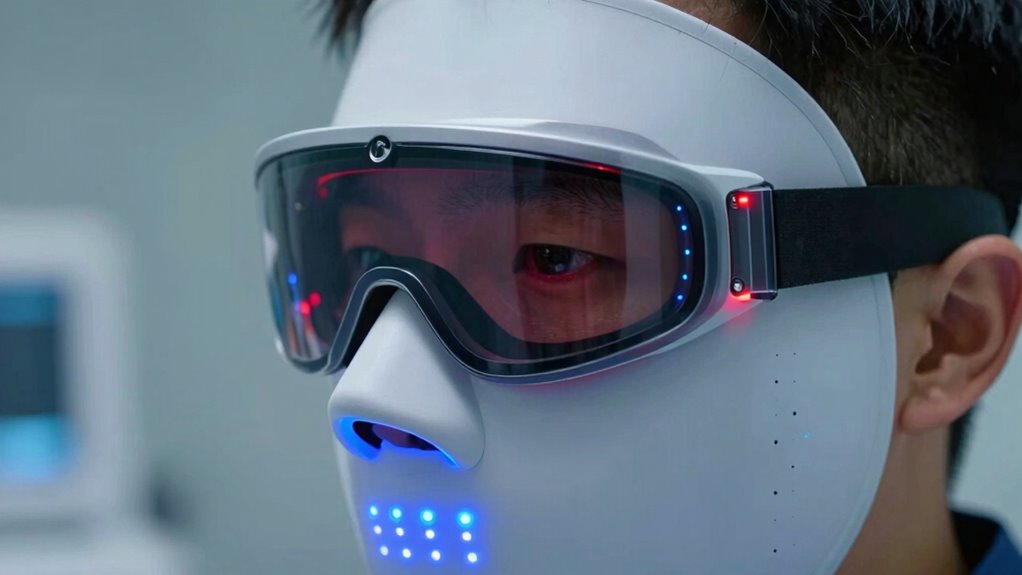
LED face masks are generally safe when used correctly, but you should always follow manufacturer instructions to avoid skin irritation or eye damage. Wearing protective goggles is recommended because certain wavelengths can harm sensitive eye tissue, especially with prolonged exposure. When a device is “FDA cleared,” it means it has been reviewed for safety and effectiveness, though it doesn’t guarantee perfect results. To verify you’re using a safe, effective mask, it’s important to understand these points and proper usage tips.
Key Takeaways
- “FDA cleared” means the device has been reviewed for safety and efficacy, but it’s not an endorsement of effectiveness.
- Proper eye protection, like goggles, is essential to prevent eye damage from intense LED light exposure.
- LED masks are generally safe if used according to manufacturer instructions and with appropriate safety precautions.
- Verify the device’s safety features, certifications, and quality standards before purchase.
- Overuse or improper handling can cause skin irritation or eye injury; follow recommended usage guidelines closely.
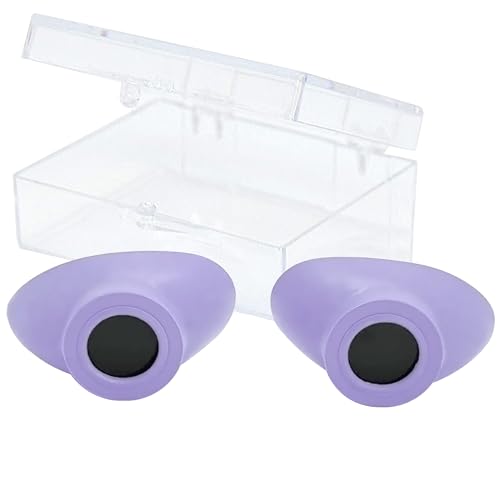
Super Sunnies Slim Flex UV Eye Protection FDA Compliant Eyeshields Tanning Bed Goggles Red Light Therapy Glasses – Lavender
Tanning bed goggles protective eyewear
As an affiliate, we earn on qualifying purchases.
As an affiliate, we earn on qualifying purchases.
What Are LED Face Masks and How Do They Work?

LED face masks are skincare devices that use light-emitting diodes to target various skin concerns. They work by emitting specific light wavelengths that penetrate the skin at different depths, affecting cell activity and promoting healing. The light wavelength determines how deeply the light can penetrate your skin, which influences the treatment’s effectiveness for issues like acne, wrinkles, or inflammation. For example, shorter wavelengths, like blue light, primarily target surface-level bacteria, while longer wavelengths, such as red light, reach deeper layers to stimulate collagen production. As you use the mask, the light penetrates your skin carefully, activating cellular processes without causing damage. This targeted approach allows for non-invasive, painless treatments designed to improve skin health and appearance. Understanding light wavelengths helps explain why specific colors are used for particular skin issues. Additionally, safe application practices are essential to ensure effective and risk-free results.
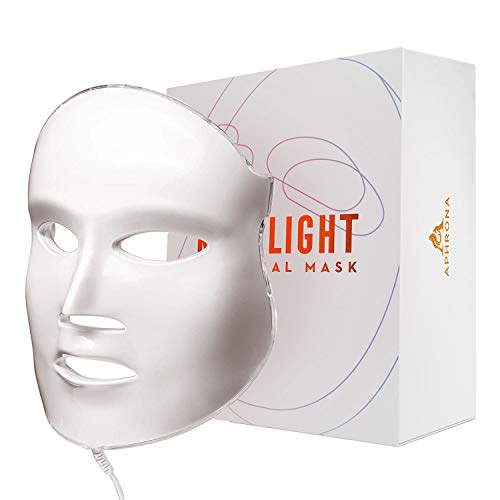
Aphrona® | FDA cleared Moonlight LED Facial Mask Skin Care Mask, LED Light Therapy Red Blue light for Acne Removal Wrinkle Reduction
VISIBLE RESULTS IN LESS TIME – Experience the power of LED light therapy with Aphrona’s advanced face mask,…
As an affiliate, we earn on qualifying purchases.
As an affiliate, we earn on qualifying purchases.
Are LED Masks Safe? Common Safety Risks Explained
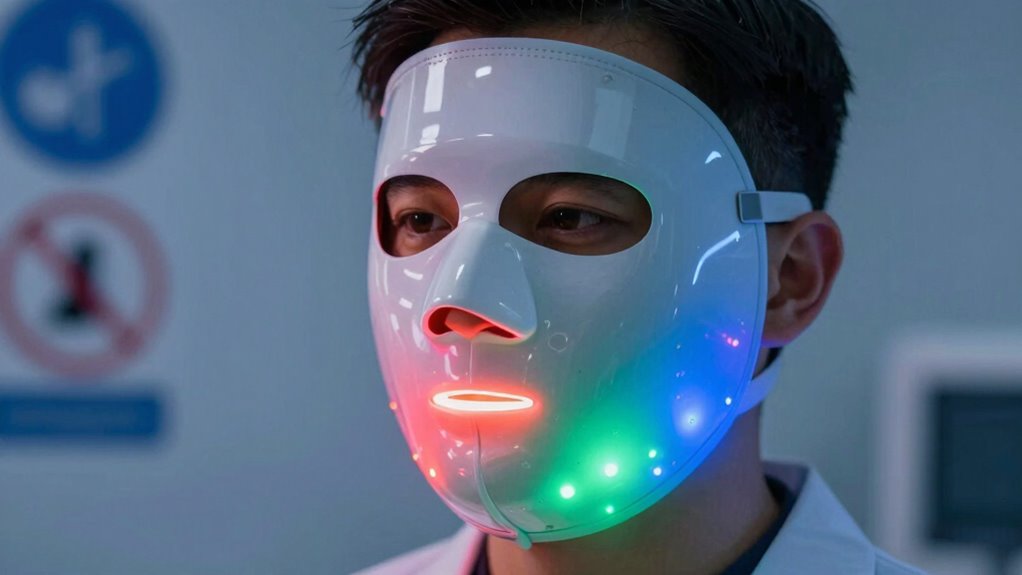
While LED face masks are generally considered safe when used properly, it’s important to be aware of potential safety risks. Some common concerns include UV exposure, skin irritation, and improper use. You might experience skin irritation if the mask is used too frequently or if your skin is sensitive. Although LED masks don’t emit harmful UV rays, prolonged or incorrect use can still cause discomfort. To stay safe, avoid overusing the device and follow the manufacturer’s instructions carefully. Keep an eye out for redness, itching, or burning sensations. Remember, even though LED therapy is usually gentle, paying attention to your skin’s reaction is key to preventing adverse effects. Staying informed helps ensure you get the benefits without risking your safety. Additionally, understanding product safety standards can help you choose devices that meet established safety criteria. It’s also helpful to be aware of proper device hygiene to prevent infections and skin issues. Being familiar with potential device risks can further help you make informed choices and use your LED mask responsibly. Furthermore, consulting with a healthcare provider before starting LED therapy can help identify individual skin sensitivities that may affect treatment.

Super Sunnies Slim Flex UV Eye Protection FDA Compliant Eyeshields, Tanning Bed Goggles, Red Light Therapy Glasses – Black
Tanning bed goggles protective eyewear
As an affiliate, we earn on qualifying purchases.
As an affiliate, we earn on qualifying purchases.
Why Eye Protection Matters When Using LED Face Masks

Ever wonder why protecting your eyes during LED face mask treatments is so important? Your eyes are vulnerable to the intense light emitted by these devices, making UV protection and eye safety essential. Without proper protection, you risk eye strain, irritation, or even more serious damage. LED lights, especially blue and near-infrared wavelengths, can penetrate the eyelids and harm delicate eye tissues over time. Wearing protective goggles or shields helps block harmful rays and reduces the risk of adverse effects. Color accuracy impacts how well you can see details during treatments, emphasizing the importance of clear, safe visuals. Proper piercing care and hygiene are also crucial to prevent potential infections that could complicate skin and eye health. Prioritizing eye safety isn’t just about comfort; it’s about preventing potential long-term damage. Understanding Gold IRA markets and how they operate can also remind us of the importance of protective measures in various environments. Additionally, using high-quality eye protection designed specifically for LED therapy can further enhance safety and treatment outcomes. Always follow the manufacturer’s safety guidelines and use approved eye protection when operating your LED face mask to guarantee a safe and effective treatment.

gelpal 7-1 Colors Red Light Therapy For Face,LED Facial Skin Care Mask,Red Light Mask for Face, LED Facial Mask Light,Salon or Home,White.
The LED Facial Mask is an over-the-counter, facemask-shaped design light emitting diode (LED) device that emits light energy…
As an affiliate, we earn on qualifying purchases.
As an affiliate, we earn on qualifying purchases.
What Does ‘FDA Cleared’ Mean for Your LED Mask?
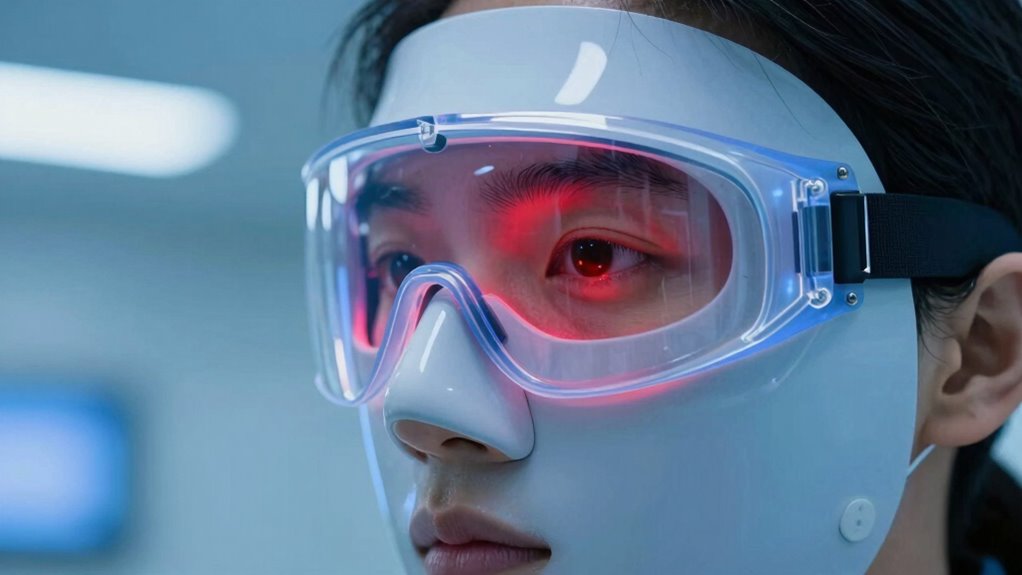
Understanding what “FDA cleared” means can help you make informed decisions about your LED mask. When a product is FDA cleared, it has gone through the FDA approval process, which assesses its safety and effectiveness based on regulatory standards. This clearance indicates that the device is safe for consumer use when used as directed. However, it doesn’t mean the product is FDA approved or guarantees it will work perfectly for everyone. Additionally, it’s important to recognize that FDA clearance focuses on product safety, not necessarily on proven effectiveness for all users. It’s also helpful to understand that regulatory standards can vary depending on the device type and intended use. Consider these points:
- It’s been reviewed for safety, not necessarily for effectiveness.
- Manufacturers must meet specific regulatory standards.
- “FDA cleared” is different from “FDA approved,” which involves a more rigorous review.
- Consumers should also consider product labels and claims when evaluating LED masks.
- Being aware of FDA clearance can prevent misconceptions about a product’s overall efficacy or quality.
- Manufacturers’ claims may sometimes overstate the benefits, so it’s important to review independent reviews and evidence.
Knowing this can help you evaluate your options confidently and understand what the label truly signifies.
How to Choose a Safe and Effective LED Face Mask
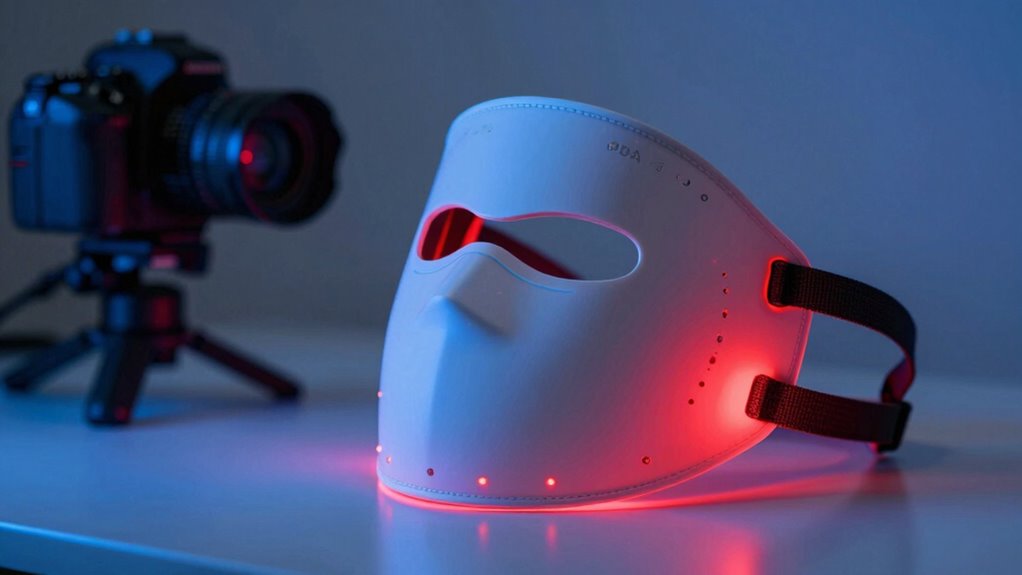
Choosing a safe and effective LED face mask requires careful consideration of several key factors. First, check for device durability—look for well-made devices with quality components that will last and withstand regular use. Second, consider the potential for skin irritation; opt for masks with adjustable settings and gentle LED wavelengths suited for your skin type. It is crucial to read reviews and verify that the device has been tested for safety. Avoid products with poorly constructed parts or limited warranty, as these may compromise safety and effectiveness. Ensure the mask has clear instructions and safety features to prevent misuse. Additionally, understanding how different skin types respond to LED therapy can help you select a device tailored to your needs. Recognizing device testing and certification standards is essential to ensure the product meets safety guidelines. It is also helpful to look for devices that have undergone rigorous safety testing, ensuring they meet established safety standards. Furthermore, paying attention to device compliance with regulations can provide added assurance of safety and efficacy. By focusing on durability and skin compatibility, you can choose an LED face mask that provides beneficial results without risking irritation or device failure. For example, considering skin sensitivity considerations can make a significant difference in your overall experience and safety.
Tips for Using LED Masks Safely at Home
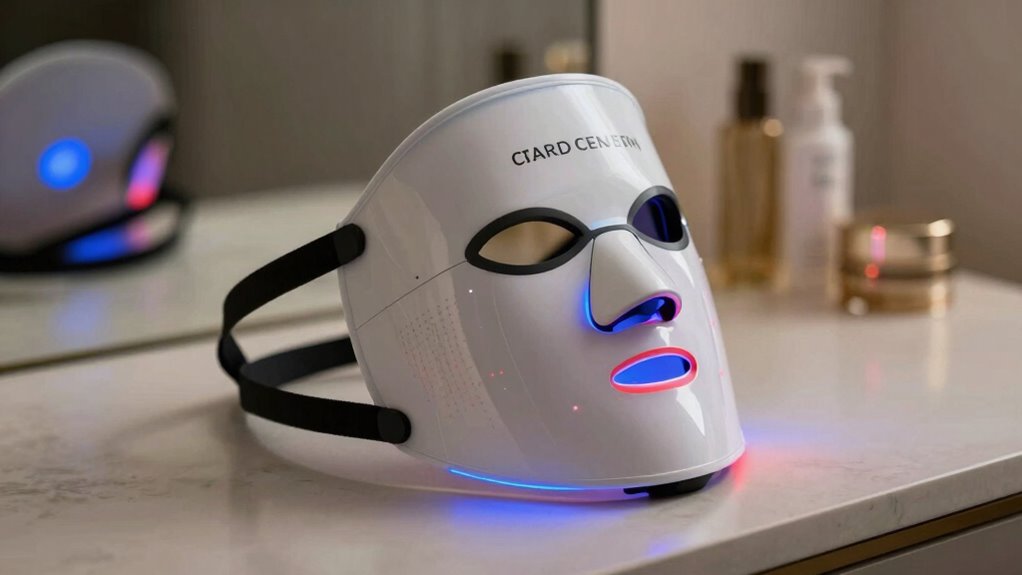
To use LED masks safely at home, it’s vital to follow the manufacturer’s instructions carefully and avoid overusing the device. Overdoing it can lead to skin irritation or diminish the benefits. Incorporate the LED mask into your skincare routines thoughtfully, making sure you’re not combining it with harsh products. Remember to maintain your device properly by cleaning it regularly and inspecting it for damage. Using reputable LED masks that are Vetted ensures higher safety standards and effectiveness. Here are some tips to keep in mind:
- Stick to recommended usage times and frequency.
- Clean the device after each session to prevent bacteria buildup.
- Store it in a cool, dry place to guarantee longevity.
- Household safety practices, such as keeping the device out of reach of children, can help prevent accidents and misuse.
Sticking to these tips helps you enjoy safe, effective results while protecting your skin and device.
Do LED Face Masks Really Improve Skin? What the Scientific Evidence Shows
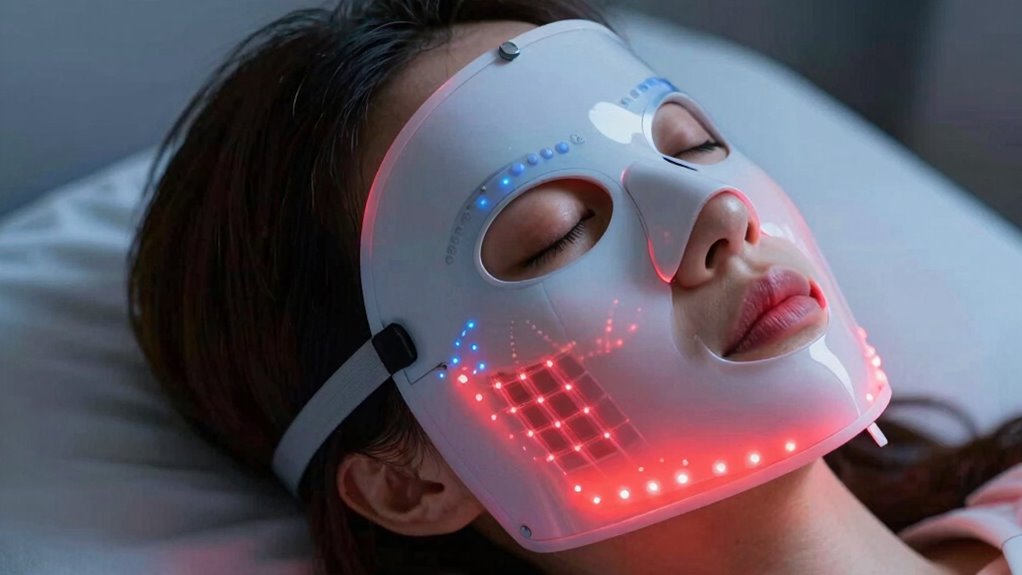
Scientific studies show mixed results on how effective LED face masks are for improving skin. Different types of light target various skin issues, but outcomes vary from person to person. It’s important to have realistic expectations about what treatments can achieve and understand the scientific evidence behind them.
Scientific Studies on Efficacy
Are LED face masks truly effective at improving your skin? Scientific studies show mixed results, but some evidence supports their cosmetic benefits. Research indicates that red and near-infrared light can promote skin regeneration, helping reduce wrinkles and improve elasticity. However, the strength and consistency of these results vary.
You might find that LED treatments:
- Enhance collagen production for firmer skin
- Reduce inflammation and redness
- Support overall skin renewal and healing
While these benefits sound promising, the scientific community emphasizes that LED therapy is not a miracle cure. Most studies suggest it can complement a good skincare routine, but individual results depend on factors like skin type and treatment frequency.
Types of Light and Results
Different wavelengths of light used in LED face masks target specific skin concerns and produce varying results. For example, red light (around 633 nm) stimulates collagen production, improving skin elasticity. Blue light (around 415 nm) targets acne-causing bacteria, reducing breakouts. Green light (around 525 nm) may help with pigmentation and redness. Here’s a quick overview:
| Light Wavelength | Skin Response | Common Uses |
|---|---|---|
| 415 nm (Blue) | Kills bacteria, reduces inflammation | Acne treatment |
| 525 nm (Green) | Eases pigmentation, redness | Hyperpigmentation |
| 633 nm (Red) | Collagen boost, skin tightening | Anti-aging |
| 830 nm (Infrared) | Deep tissue repair | Wound healing, healing |
| 415-633 nm | Varies based on wavelength | Targeted skin concerns |
Your skin’s response depends on the light wavelength used.
Realistic Expectations From Treatments
While LED face masks can offer noticeable improvements for certain skin concerns, it’s important to have realistic expectations about their effects. Scientific evidence supports some benefits, but they don’t work miracles. Be cautious of cosmetic claims that promise dramatic results overnight. Your expectations should be aligned with what studies show, which is often gradual improvement over consistent use. To keep your hopes realistic, remember that:
- LED masks may help reduce inflammation and promote healing, but aren’t a cure-all.
- Results vary based on skin type, concerns, and treatment frequency.
- Consistent use over weeks is necessary to see meaningful changes.
Understanding the science helps manage user expectations and prevents disappointment. LED masks are a useful tool, but they aren’t a substitute for professional treatments or skincare routines.
Frequently Asked Questions
Can LED Masks Cause Long-Term Skin Damage?
LED masks are generally safe, but if you have sensitive skin, they could pose some risks. Prolonged or improper use might increase photoaging risks or cause skin irritation. To avoid long-term damage, follow the manufacturer’s instructions carefully, limit usage time, and monitor your skin’s response. If you notice redness or discomfort, stop using the mask and consult a dermatologist. Proper use helps minimize potential skin sensitivity issues.
Are There Any Age Restrictions for LED Mask Use?
Age restrictions for LED mask use vary depending on the device and manufacturer’s safety guidelines. Typically, these masks are not recommended for children or teenagers without medical advice, as their skin and eyes are more sensitive. Always follow safety guidelines provided by the manufacturer, and consult with a healthcare professional if you’re unsure about age appropriateness. This guarantees safe use and minimizes any potential risks.
How Often Should I Replace My LED Face Mask?
You should replace your LED face mask according to the manufacturer’s recommended maintenance and replacement schedule. Typically, LED lights last around 30,000 hours of use, but the mask’s components may need replacing sooner if you notice reduced effectiveness or damage. Regularly inspect your mask for cracks or fading, and follow the manufacturer’s guidelines to keep it functioning safely and effectively. This guarantees ideal results and safety.
Do LED Masks Work Differently for Different Skin Types?
Sure, LED masks cater to every skin type—if you believe in magic. In reality, skin compatibility varies, so the device’s customization options matter. Some lights may soothe oily skin, while others boost collagen for dry skin. To get results, choose a mask that adapts to your skin’s needs. Don’t expect a one-size-fits-all miracle—your skin’s unique response is what determines success.
Are There Any Known Allergic Reactions to LED Mask Components?
You may experience allergic reactions to LED mask components, though such cases are rare. Common allergens include certain plastics, dyes, or chemicals used in the mask’s construction. To minimize risks, check the ingredients and materials listed and patch-test the device on a small skin area first. If you notice redness, itching, or swelling, discontinue use immediately and consult a healthcare professional. Always prioritize safe, informed use of your LED mask.
Conclusion
In the end, your skin’s future hinges on making smart choices. With the right LED mask, you could access radiant, youthful skin—faster than you ever imagined. But skip safety, and you risk more than just disappointment—you could end up with serious eye damage or skin burns. Don’t gamble with your health. Choose wisely, follow safety tips, and remember: your glow deserves protection as much as it craves perfection.