
To make your e-commerce business more sustainable, switch to eco-friendly packaging materials like biodegradable wraps or recycled paper. Optimize your packaging to reduce waste and encourage reuse. Adopt renewable logistics such as electric vehicles or smarter routing to cut emissions. Being transparent about your efforts builds trust with eco-conscious consumers. These practices not only lower your environmental impact but also boost your brand image; explore further to discover how to implement these strategies effectively.
Key Takeaways
- Switching to biodegradable, recycled, or compostable packaging reduces plastic waste and environmental impact.
- Implementing renewable logistics with electric vehicles and smarter routing cuts carbon emissions.
- Optimizing packaging design minimizes material use and encourages reuse, supporting a circular economy.
- Transparency about sustainability efforts builds consumer trust and promotes eco-conscious purchasing.
- Adopting eco-friendly practices enhances brand reputation and contributes to a greener e-commerce industry.
As e-commerce continues to grow rapidly, sustainability has become a fundamental consideration for both businesses and consumers. You’re likely aware that packaging waste, especially plastic, contributes considerably to environmental damage. To combat this, many online retailers are prioritizing plastic reduction by switching to eco-friendly materials like biodegradable wraps, recycled paper, or compostable fillers. These alternatives not only lessen your carbon footprint but also appeal to eco-conscious customers who want to support brands that genuinely care about the planet. Moving away from traditional plastics isn’t just about using greener materials; it’s about rethinking your entire packaging strategy to minimize waste and maximize recyclability.
E-commerce growth demands sustainable packaging strategies that reduce plastic and maximize recyclability for a greener future.
In addition to reducing plastic, renewable logistics plays an essential role in sustainable e-commerce practices. You can make a big difference by choosing transportation options that rely on renewable energy sources, such as electric delivery vehicles or trains powered by renewable electricity. This shift helps lower greenhouse gas emissions associated with shipping, which is one of the primary environmental impacts of e-commerce. Implementing smarter routing algorithms and consolidating shipments can further reduce unnecessary trips, cutting down fuel consumption and emissions. As a consumer, you might not see these efforts directly, but supporting businesses that invest in renewable logistics encourages the industry to adopt cleaner practices on a larger scale. Moreover, carbon footprint reduction strategies can significantly enhance a company’s sustainability profile and appeal to environmentally conscious shoppers.
Another way to promote sustainability is by opting for packaging that’s optimized for minimal waste without compromising protection. This means designing boxes that fit products precisely, reducing excess material, and encouraging reuse whenever possible. You’re also increasingly seeing brands offering incentives for customers who return used packaging for reuse or recycling, creating a circular economy that keeps materials out of landfills. Moreover, partnering with logistics providers committed to renewable energy usage demonstrates a company’s dedication to sustainability, which can influence your purchasing decisions.
It’s also worth noting that transparency about these efforts builds trust. When you buy from brands that openly share their initiatives for plastic reduction and renewable logistics, you feel more confident that your purchase aligns with your values. This transparency encourages more companies to adopt eco-friendly practices, creating a ripple effect throughout the industry. By supporting sustainable practices, you’re not just making environmentally responsible choices; you’re helping shape a future where e-commerce is greener, cleaner, and more sustainable for everyone. Your choices as a consumer, combined with business innovations in packaging and logistics, can drive meaningful change toward a more sustainable online shopping experience.
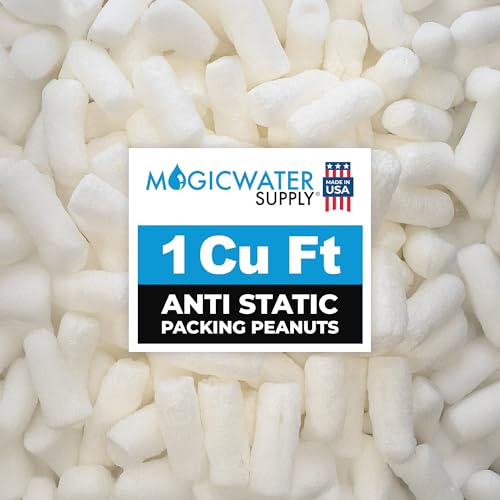
MagicWater Packing Peanuts for Shipping – 1 Cu Ft – Bio Tube Recycled Compostable & Biodegradable Void Filler – Cushion for Shipping Packaging – Dust-Free & Abrasion Resistant – Non Styrofoam
ECO-FRIENDLY & SUSTAINABLE PACKAGING SOLUTION: Choose our packing peanuts for shipping, made from renewable, sustainable materials, to reduce…
As an affiliate, we earn on qualifying purchases.
As an affiliate, we earn on qualifying purchases.
Frequently Asked Questions
How Do Eco-Friendly Packaging Costs Compare to Traditional Options?
Eco-friendly packaging costs can be higher initially, but a thorough cost-benefit analysis shows long-term savings and environmental benefits. While traditional options might seem cheaper upfront, eco-friendly packaging reduces environmental impact, minimizes waste, and appeals to eco-conscious consumers. Over time, these benefits can outweigh extra costs, making sustainable choices more economical and responsible. You’ll find that investing in eco-friendly packaging enhances your brand’s reputation and supports environmental sustainability.
What Are the Best Materials for Sustainable E-Commerce Packaging?
You should choose biodegradable materials like plant-based plastics and mushroom packaging, as they break down naturally without harming the environment. Recycled content, such as recycled cardboard and paper, is also excellent because it reduces waste and conserves resources. These materials are durable yet eco-friendly, making them ideal for sustainable e-commerce packaging. By opting for biodegradable and recycled options, you support sustainability while protecting the planet.
How Can Small Businesses Adopt Eco-Friendly Practices Cost-Effectively?
Start smart by seeking supplier partnerships that prioritize sustainability, saving costs and supporting eco-friendly efforts. You can implement simple recycling initiatives, reducing waste and showcasing your commitment to the environment. Switching to biodegradable or recycled packaging materials might seem like a splurge, but bulk buying and negotiating with suppliers make it more manageable. Small steps, like swapping plastic for paper, can markedly boost your green game without breaking the bank.
Are There Certification Standards for Eco-Friendly Packaging?
Yes, there are certification standards for eco-friendly packaging, and eco labels help you recognize genuine products. These standards, like FSC, Green Seal, and EcoLabel, verify sustainable sourcing, recyclability, and minimal environmental impact. When you choose packaging with these eco labels, you confirm your business aligns with recognized sustainability practices. This not only boosts your brand’s credibility but also appeals to eco-conscious customers seeking responsible shopping options.
How Do Consumer Preferences Influence Sustainable Packaging Choices?
Ever wonder how your choices shape the world? Your consumer behavior directly influences sustainable packaging decisions, as brands notice what resonates with you. When you prioritize eco-friendly options, it boosts brand perception and encourages companies to adopt greener practices. By selecting products with eco-conscious packaging, you send a powerful message that sustainability matters. Your preferences can drive positive change, making eco-friendly packaging not just an option but a standard in e-commerce.

Elementree Brown Packing Paper Sheets for Moving & Shipping – 1500 Count (1375 Feet) – 14.5" x 11" Sheet Size – Sustainable Void Fill Packaging Made in the USA – Kraft Paper Thickness (00919)
Whether you’re packing, moving, shipping, or storing, these kraft paper sheets safeguard items and fill space to prevent…
As an affiliate, we earn on qualifying purchases.
As an affiliate, we earn on qualifying purchases.
Conclusion
By embracing eco-friendly packaging and sustainable practices, you can turn your e-commerce business into a beacon of change. Think of it as planting a seed for a greener future—your efforts grow into a forest of positive impact. Every small action you take ripples outward, making a real difference for the planet. Remember, sustainability isn’t just a trend; it’s the foundation for a brighter, cleaner tomorrow. Your choices today shape the world of tomorrow.

Electric Heated Insulated Food Delivery Bag, Pizza Delivery Bags for Hot and cold Food Large Reusable (23×14, Delivery Bag + Heating Pad) -EXTRA THICK
12V DC for Heating Food in car. Electric Hot/Heated Food Delivery Bag Ideal for keeping food hot in…
As an affiliate, we earn on qualifying purchases.
As an affiliate, we earn on qualifying purchases.
smart routing logistics software
As an affiliate, we earn on qualifying purchases.
As an affiliate, we earn on qualifying purchases.