

To achieve work–life balance in a busy world, you need to intentionally plan and set clear boundaries. Evaluate your schedule, prioritize essential tasks, and create designated work hours that you stick to. Protect personal time by scheduling hobbies, exercise, and quality moments with loved ones. Practice turning off notifications and saying no when needed. Staying consistent with these strategies helps reduce stress and boosts your well-being. Keep exploring to discover more ways to create harmony in your life.
Key Takeaways
- Evaluate and prioritize your tasks to focus on what truly matters, reducing overload and stress.
- Set clear boundaries by defining work hours and disconnecting after them to protect personal time.
- Incorporate regular breaks and personal activities to recharge and maintain mental well-being.
- Communicate boundaries effectively with colleagues and loved ones to foster respect and understanding.
- Practice consistency and intentional decision-making to create a sustainable balance between work and life.

Balancing work and personal life can feel like an ongoing challenge, but achieving harmony is possible with intentional effort. The key lies in mastering time management and boundary setting. When your days are packed, it’s easy to let work spill into personal time, leaving you overwhelmed and disconnected. But by proactively managing how you allocate your hours and establishing clear boundaries, you can create space for both productivity and relaxation.
Start by evaluating your current schedule. Identify where your time goes and look for areas to optimize. Use time management techniques like prioritizing tasks, setting specific deadlines, and breaking projects into manageable steps. This helps you stay focused and prevents work from creeping into your personal time. When you know exactly what needs to be done and when, you reduce the temptation to overextend yourself. Remember, effective time management isn’t about squeezing more into your day but about making smarter choices with your available hours.
Boundary setting is equally vital. Clearly define your work hours and communicate those boundaries to colleagues, clients, and family members. When your workday ends, resist the urge to check emails or take work calls. Creating physical and mental boundaries—such as having a dedicated workspace or turning off notifications—reinforces your commitment to personal time. It might feel uncomfortable at first, but consistency is key. Over time, these boundaries help others respect your limits and allow you to fully disconnect from work, which is essential for recharging. Incorporating remote work benefits into your routine can also enhance your work-life balance by offering increased flexibility.
It’s also important to recognize that boundaries extend beyond work hours. Schedule regular breaks and personal activities that nourish you—whether it’s exercise, hobbies, or quality time with loved ones. Protect these moments as you would an important meeting. Doing so ensures your personal life receives the attention it deserves, reducing feelings of guilt or neglect. Additionally, practicing self-awareness helps you spot when your boundaries are being tested or blurred, giving you an opportunity to reinforce them.
Balancing work and personal life isn’t about perfection; it’s about consistency and making intentional choices. When you prioritize time management and boundary setting, you create a framework that supports a healthier, more fulfilling life. It takes effort and discipline, but the payoff is a sense of control, reduced stress, and stronger relationships. With these strategies, you can navigate your busy world without sacrificing your well-being, achieving a more sustainable and satisfying work–life balance.
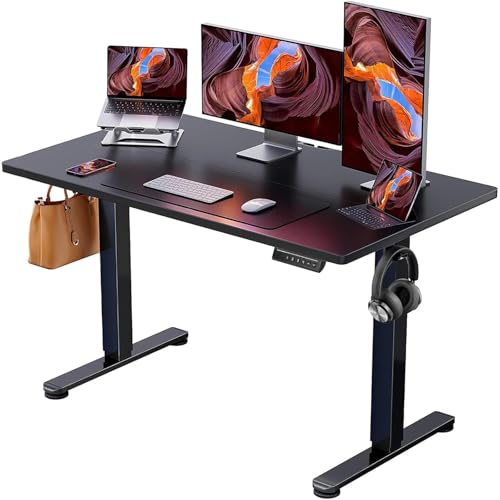
ErGear Height Adjustable Electric Standing Desk, 48 x 24 Inches Sit Stand up Desk, Memory Computer Home Office Desk, Black
Electric Height Adjustable Standing Desk for Comfortable Work – Switch effortlessly between sitting and standing with this electric…
As an affiliate, we earn on qualifying purchases.
As an affiliate, we earn on qualifying purchases.
Frequently Asked Questions
How Can Technology Hinder Work-Life Balance?
Technology can hinder your work-life balance by increasing digital distractions and fostering constant connectivity. When you’re always reachable, it’s hard to disconnect from work after hours, leading to burnout. Notifications and emails pull you away from personal time, making it difficult to fully relax. To regain balance, set boundaries like specific work hours and turn off notifications outside those times, so technology works for you, not against you.
What Are Signs of Burnout Despite Good Balance?
Burnout can sneak up on you like a thief in the night, even when your balance seems intact. If you notice signs of burnout, such as emotional exhaustion, cynicism, or feeling detached from your work and life, it’s time to pause. Despite good balance, persistent fatigue and lack of motivation signal that emotional exhaustion is taking its toll. Recognize these signs early to prevent burnout from stealing your energy and joy.
How to Set Boundaries With Remote Work?
To set boundaries with remote work, focus on clear time management and boundary setting. Define specific work hours and communicate them to your team. Use tools like calendars to block out non-work time, and avoid checking emails outside those hours. Create a dedicated workspace to signal when you’re off-duty. By consistently sticking to these boundaries, you protect your personal time and prevent work from bleeding into your personal life.
Can Work-Life Balance Improve Mental Health?
Sure, balancing work and life can’t magically fix everything, but it can actually improve your mental health. Ironically, by practicing mindfulness and setting boundaries, you’ll find stress less overwhelming. Don’t forget the power of social support—sharing your struggles helps you feel connected and less isolated. Prioritizing these aspects creates a healthier mindset, making daily challenges more manageable and boosting your overall well-being in this hectic world.
How to Prioritize Personal Goals Over Work Demands?
You can prioritize personal goals over work demands by practicing effective time management and clear goal setting. Start by identifying your top personal priorities and allocate specific time slots for them. Use a planner or digital tools to stay organized, and set achievable goals that align with your values. Communicate your boundaries clearly at work, and remember, consistently dedicating time to your personal goals helps maintain balance and fulfillment.

ProCase Noise Reduction Ear Muffs, Sound Proof Ear Protection, NRR 28dB Noise Cancelling Headphones for Adults Kids Autism, Hearing Protection for Mowing -Black
Constructed by solid ABS shell and thickened foam, the ear muffs achieve NRR 28 dB (SNR 34 dB)…
As an affiliate, we earn on qualifying purchases.
As an affiliate, we earn on qualifying purchases.
Conclusion
So, are you ready to take control and create harmony between your work and personal life? Remember, achieving work–life balance isn’t about perfection but making intentional choices that support your well-being. By setting boundaries, prioritizing what matters, and giving yourself grace, you can enjoy a more fulfilled, less stressful life. Isn’t it time you started living intentionally and making room for both your goals and your happiness? The balance you seek is within your reach.
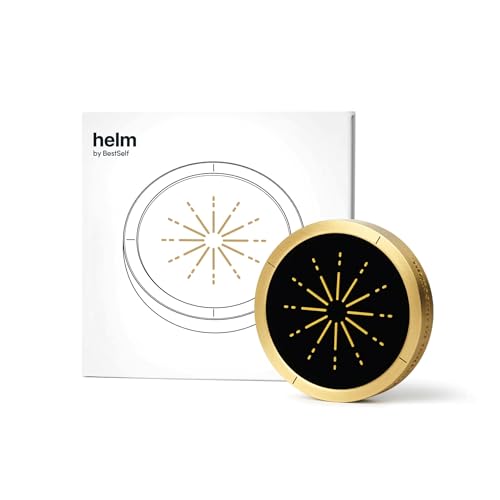
BestSelf Helm Focus Device – Premium NFC-Powered Phone Distraction Blocker Physical App Blocker Tool for Deep Work, ADHD Focus, and Screen-Free Productivity
🔒 Physical Focus, Reclaimed Power – Crafted from solid aerospace-grade brass, Helm transforms your screen time into real…
As an affiliate, we earn on qualifying purchases.
As an affiliate, we earn on qualifying purchases.

Hourly Planner Notepad. 60 Page Planning Pad w/Appointment Time Block, Task Log List & Note Sections. For Office Work Schedule & Time Management. 8.5 X 11, A4 Sheets.
60 Page Un-dated Daily Hourly Planner Notepad that consists of 4 vital sections. Time Blocking, Appointment Details, Tasks…
As an affiliate, we earn on qualifying purchases.
As an affiliate, we earn on qualifying purchases.