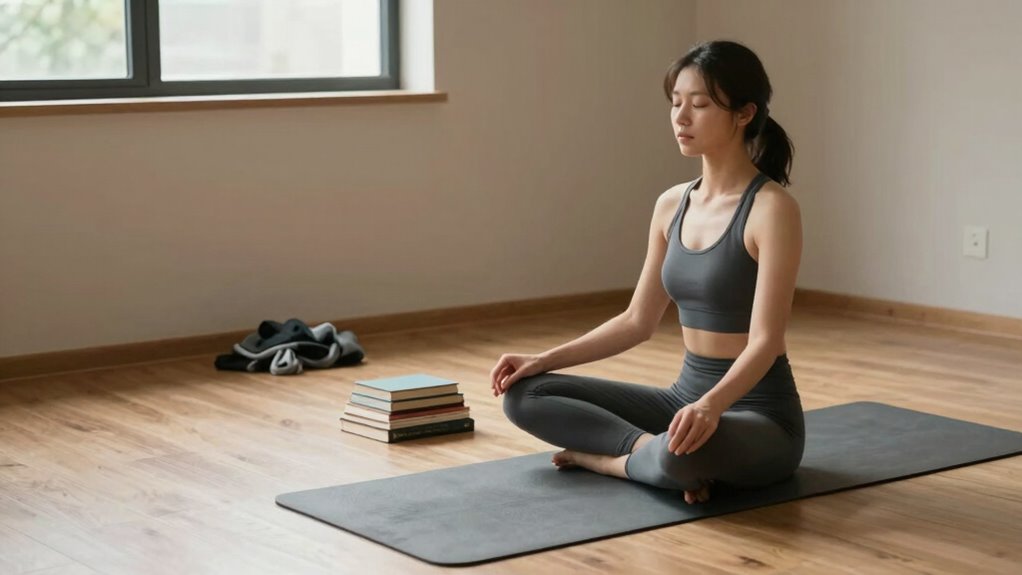

Discipline involves setting clear goals, using positive strategies like visualization and reinforcement, and viewing setbacks as growth opportunities. It’s about controlling your emotions thoughtfully and maintaining a healthy self-image. Self-punishment, on the other hand, is harsh, emotional, and rooted in guilt or shame, often draining your motivation and tearing you down. understanding these differences helps you build sustainable habits—if you want to learn more, there’s much more to discover.

Get art and craft supplies delivered free with Prime
- Fast, free delivery on millions of items
- Prime Video, Amazon Music and more included
- Member-only deals all year
Key Takeaways
- Discipline involves setting clear goals and using positive strategies, while self-punishment relies on harsh self-criticism and guilt.
- Discipline promotes growth and resilience; self-punishment often leads to shame and discouragement.
- Positive reinforcement and visualization are tools of discipline; self-punishment emphasizes negative thoughts and emotional pain.
- Discipline fosters emotional regulation and a growth mindset; self-punishment triggers impulsive reactions and emotional overwhelm.
- Sustainable personal development depends on discipline’s constructive approach, unlike self-punishment’s destructive cycle.

Have you ever wondered what truly separates discipline from self-punishment? The difference often lies in your approach and your mindset. Discipline is about setting clear goals and using constructive methods to achieve them, while self-punishment tends to be harsh, emotional, and rooted in guilt or shame. When you practice discipline, you harness motivational strategies that push you forward without tearing yourself down. Instead of punishing yourself for mistakes, you learn to view setbacks as opportunities to grow. This mindset helps you stay emotionally regulated, meaning you can manage your feelings without becoming overwhelmed or defensive. Emotional regulation allows you to stay calm and focused, even when faced with challenges or failures, which is essential for maintaining long-term discipline.
Motivational strategies play a crucial role in differentiating discipline from self-punishment. When you’re disciplined, you motivate yourself through positive reinforcement, visualization, or rewarding progress. For example, you might set small, achievable goals and celebrate each success, reinforcing your commitment without feeling guilty or discouraged. Self-punishment, on the other hand, often involves harsh self-criticism or negative thoughts that drain your energy and motivation. Instead of encouraging you to keep going, it creates a cycle of shame that can make you want to give up altogether. Recognizing this distinction helps you cultivate healthier habits, where motivation comes from within and supports your growth rather than tearing you down. Developing a growth mindset can be a powerful tool in fostering this healthier approach.
Furthermore, emotional regulation is what keeps you grounded when facing difficulties. Discipline involves understanding your emotions and responding thoughtfully rather than reacting impulsively. You acknowledge feelings like frustration or disappointment but don’t let them dictate your actions. This balanced approach prevents you from falling into destructive self-punishment, which usually stems from emotional overwhelm or an inability to process negative feelings. Instead, you develop resilience by managing your emotions effectively, allowing you to stay committed to your goals without resorting to harmful self-criticism. Developing emotional resilience can significantly impact your ability to stay disciplined and motivated. Cultivating this skill supports a positive self-image, which encourages ongoing effort and perseverance. This emotional control builds a sustainable path toward personal development, where setbacks are seen as part of the process rather than proof of failure. Recognizing the importance of emotional regulation can significantly impact your ability to stay disciplined and motivated.
As an affiliate, we earn on qualifying purchases.
Frequently Asked Questions
How Can I Tell if I’m Punishing Myself Excessively?
You can tell if you’re punishing yourself excessively by noticing persistent feelings of guilt, shame, or self-criticism that don’t lead to growth. Self-awareness insights help you recognize patterns of harsh self-judgment, while emotional regulation techniques can reduce these tendencies. If your punishments feel disproportionate or hinder your progress, it’s a sign you need to adjust your approach and practice more kindness and understanding toward yourself.
What Are Healthy Ways to Establish Discipline?
Think of building discipline as planting a garden. You nurture motivation strategies and focus on habit formation, watering your goals daily. Set small, achievable targets, celebrate progress, and stay consistent. Avoid harsh self-criticism; instead, cultivate patience like tending to delicate sprouts. Over time, your disciplined habits will grow strong, guiding you naturally toward success without the need for punishment, just steady care and positive reinforcement.
Can Discipline Be Enforced Without Negative Emotions?
Yes, discipline can be enforced without negative emotions by practicing emotional detachment and focusing on positive reinforcement. When you detach emotionally from frustration or anger, you stay calm and objective. Use positive reinforcement to motivate yourself or others, celebrating progress instead of punishing mistakes. This approach fosters a supportive environment, making discipline feel like guidance rather than punishment, which helps maintain emotional balance and encourages long-term growth.
How Does Self-Awareness Impact Discipline and Punishment?
You might find it surprising, but self-awareness profoundly impacts discipline and punishment. When you practice mindful reflection, you become more aware of your emotions and triggers, enabling better emotional regulation. This awareness helps you choose constructive discipline over reactive punishment. By understanding your inner states, you foster a healthier approach, ensuring discipline guides growth rather than causing unnecessary distress or shame, ultimately reinforcing positive habits and resilience.
What Role Does Support From Others Play in Discipline?
Support from others plays a vital role in your discipline by providing peer encouragement and social accountability. When friends or colleagues hold you accountable, you’re more motivated to stay committed to your goals. Peer encouragement boosts your confidence and keeps you focused, while social accountability creates a sense of responsibility. Together, these elements help you develop consistent habits and maintain discipline, even during challenging times.
Conclusion
Now that you understand the key differences, it’s up to you to choose which path to take. Will you use discipline as a guiding force, or fall into the trap of self-punishment? The line can be thin, and the consequences vast. One decision can reshape your mindset, your future. So, what will it be? The answer lies in your next move—will you empower yourself with discipline or sabotage with self-punishment? The choice is yours.
Fall Picks
fall essentials
As an affiliate, we earn on qualifying purchases.