Meditative movements like yoga, Tai Chi, and Qigong combine gentle, intentional motions with mindful breathing to help you cultivate energy and foster relaxation. These practices deepen your connection between body and mind by focusing on subtle sensations and rhythms within your body. As you slow down and pay attention, you’ll improve posture, reduce stress, and feel more energized. Exploring these techniques further can reveal even greater benefits for your overall well-being.
Key Takeaways
- Meditative movement practices like yoga, Tai Chi, and Qigong integrate gentle, intentional movements with mindful breathing to promote relaxation and energy flow.
- These practices enhance the mind-body connection by cultivating awareness of subtle sensations, rhythms, and internal energy (qi).
- They support energy cultivation by guiding qi through pathways, clearing blockages, and balancing internal energy for vitality.
- Regular practice improves posture, reduces stress, and fosters mental clarity through slow, focused movements and mindful breathing.
- Incorporating these practices into daily routines nurtures overall well-being, resilience, and a balanced state of physical and mental health.

Have you ever wondered how gentle movements combined with mindfulness can transform your well-being? When you practice meditative movement, such as yoga, Tai Chi, or Qigong, you’re engaging in more than just physical activity—you’re nurturing your mind and spirit as well. One of the core practices in these disciplines is mindful breathing, which acts as a bridge between your body and mind. By focusing your attention on each breath, you cultivate a sense of calm and presence that enhances the benefits of movement. This mindful breathing isn’t just about inhaling and exhaling; it’s about becoming aware of the subtle sensations and rhythms within your body, allowing you to stay grounded in the present moment.
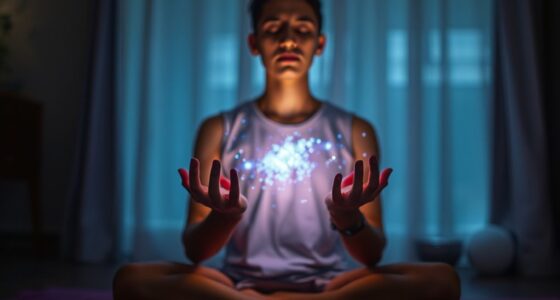
Gentle movements and mindful breathing nurture body, mind, and spirit in true meditative practice.
As you deepen your practice, you’ll notice how these gentle, flowing movements help facilitate energy cultivation. Each movement is designed to guide your internal energy, or qi, through pathways within your body, clearing blockages and balancing your energy flow. This process isn’t mystical—it’s rooted in centuries of tradition that recognize the connection between movement, breath, and essential energy. When you synchronize your breath with your movements, you amplify this energy cultivation. For example, in yoga, deliberate breathing enhances flexibility and strength, while in Tai Chi and Qigong, it helps to harmonize your body’s energy system. This harmony, in turn, boosts your vitality and resilience.
Practicing meditative movement with mindfulness encourages a gentle, attentive focus that slows down your busy mind. As you move slowly and intentionally, you become more aware of how your body feels at each moment. This heightened awareness can reveal areas of tension or stagnation that you might not notice in daily life. By consciously breathing and moving, you create a feedback loop that fosters relaxation and energy flow. Over time, this practice can improve your posture, reduce stress, and increase your overall sense of well-being. It’s a way to reconnect with your body’s natural rhythms and promote a balanced energy state.
Ultimately, meditative movement isn’t about pushing yourself to the limit; it’s about cultivating a gentle, mindful relationship with your body. Through mindful breathing and energy cultivation, you can tap into an inner reservoir of vitality that supports your physical and mental health. As you continue practicing, you’ll likely discover that these simple yet profound techniques help you feel more centered, energized, and in tune with yourself. It’s a practice that invites you to slow down, breathe consciously, and embrace the flow of life within you.
A new sentence with comfortable and supported and the rest of the sentence.
Top picks for "meditative movement yoga"
Open Amazon search results for this keyword.
As an affiliate, we earn on qualifying purchases.
Frequently Asked Questions
Can Meditative Movement Aid Mental Health Beyond Physical Benefits?
Yes, meditative movement can considerably boost your mental health beyond physical benefits. It helps enhance mindfulness, making you more aware of your thoughts and feelings, which fosters emotional regulation. As you practice, you may find yourself better equipped to manage stress, reduce anxiety, and improve mood. This mindful focus creates a calming effect, supporting mental resilience and emotional balance, ultimately contributing to overall mental well-being.
Are There Specific Health Conditions That Benefit Most From These Practices?
You’ll find that practices like Yoga, Tai Chi, and Qigong particularly benefit those managing arthritis and cardiovascular health. These movements help reduce joint pain, improve flexibility, and lower blood pressure. By engaging in these gentle exercises regularly, you support better circulation, decrease inflammation, and enhance overall mobility. They’re especially effective if you’re looking for low-impact ways to improve your health without straining your body.
How Do I Choose Between Yoga, Tai Chi, and Qigong?
Choosing between yoga, tai chi, and qigong depends on what you seek. If you crave improved posture alignment and deep breathing techniques, yoga might suit you. Want gentle, flowing movements for balance? Tai chi could be your answer. For energy cultivation and mental clarity, qigong shines. Think about your goals and physical preferences—then pick the practice that makes you feel like the zen master you’re destined to be.
What Is the Ideal Frequency and Duration for Beginners?
For beginners, aim for 3 to 5 sessions per week, practicing consistently to build habit. Keep each session around 20 to 30 minutes to avoid fatigue and stay engaged. As you grow more comfortable, gradually increase your session length or frequency. The key is to listen to your body and maintain practice consistency, which helps improve strength, flexibility, and mindfulness over time.
Do These Practices Require Special Equipment or Clothing?
Practices like Yoga, Tai Chi, and Qigong are like a gentle dance that needs only appropriate attire and basic equipment. You don’t require fancy gear—comfortable, loose-fitting clothes work perfectly, allowing free movement. A non-slip mat can enhance stability, but it’s not mandatory. Just wear what makes you feel relaxed and ready to move, and you’re all set to embrace your practice without any special equipment.
Conclusion
By embracing meditative movement practices like yoga, tai chi, and qigong, you not only improve your physical health but also cultivate mental clarity and emotional balance. Some studies suggest these practices may lower stress hormones and boost immune function, supporting the idea that mindful movement can truly enhance overall well-being. So, give it a try—incorporating even a few minutes daily might be enough to experience these profound benefits firsthand.