

Colors convey powerful meanings across cultures, shaping how people interpret and respond to them. For example, white signifies purity in Western traditions but mourning in some Eastern societies. Red can symbolize passion or luck, while black may represent mourning or health depending on the context. Understanding these cultural differences helps you communicate better and appreciate diverse traditions. Exploring these meanings further reveals how colors reflect societal values and collective identities worldwide.

Get art and craft supplies delivered free with Prime
- Fast, free delivery on millions of items
- Prime Video, Amazon Music and more included
- Member-only deals all year
Key Takeaways
- Colors hold different meanings across cultures, influencing perceptions and emotional responses.
- Cultural context shapes how colors are interpreted, such as white symbolizing purity in the West and mourning in the East.
- Historical associations of colors reflect societal beliefs, traditions, and collective memory.
- Understanding cultural color symbolism enhances cross-cultural communication and appreciation.
- Colors often carry societal values and identities, making their meanings deeply rooted in cultural narratives.
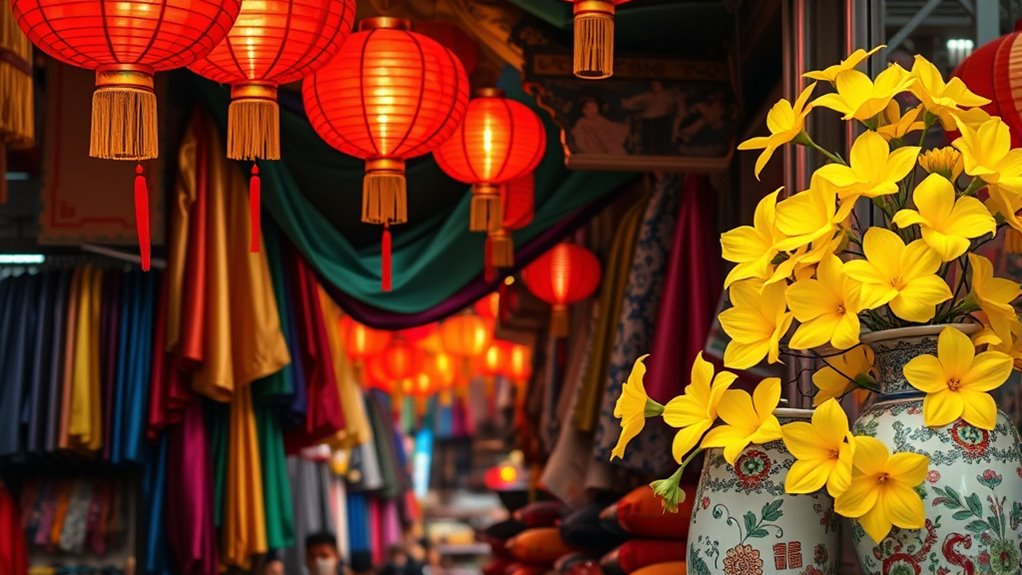
Have you ever wondered why certain colors evoke specific feelings or symbolize particular ideas? It’s fascinating how colors carry deep meanings rooted in history and culture, shaping perceptions in subtle yet powerful ways. Throughout history, different societies have assigned distinct symbolic values to colors, which often reflect their beliefs, traditions, and social structures. These meanings aren’t static; they evolve over time and vary widely across cultures, creating a rich tapestry of visual language. For example, in Western traditions, white is associated with purity and innocence, often seen at weddings and in religious ceremonies. In contrast, in some Eastern cultures, white can symbolize mourning and death, illustrating how cultural color variations influence interpretation.
Understanding the historical color meanings behind these symbols helps you grasp why certain hues evoke emotional responses. Red, for instance, has long been linked to passion, power, and danger, but its significance can shift based on context. In China, red is a symbol of luck, prosperity, and celebration, often seen during festivals and weddings. Meanwhile, in Africa, red might represent vitality or social status, depending on the specific region and its traditions. These variations in cultural color meanings highlight how deeply embedded color symbolism is in societal values and historical narratives. Colors are more than just visual elements; they’re carriers of collective memory, beliefs, and identity.
You should recognize that cultural differences extend beyond mere shades—they influence how colors are used and perceived. For example, black is commonly associated with mourning in Western cultures, but in some Asian societies, it can also symbolize health and life. Similarly, green often signifies growth and harmony in many parts of the world, yet in certain Middle Eastern contexts, it might be connected to religion or political identity. These cultural color variations demonstrate that your interpretation of a color isn’t universal; it’s shaped by the cultural lens through which you view the world. Recognizing the cultural significance of colors can deepen your appreciation for global diversity and help you communicate more effectively across cultures.
As an affiliate, we earn on qualifying purchases.
Frequently Asked Questions
How Do Colors Influence Consumer Behavior Across Different Cultures?
Colors influence your consumer behavior by shaping your perceptions and emotional responses, which vary across cultures. Your color preferences impact how you react to marketing strategies, making brands choose colors carefully to appeal locally. For example, red might evoke excitement in some cultures, while in others, it symbolizes luck. Understanding these differences helps marketers tailor their strategies, ensuring they connect effectively with diverse audiences and boost engagement.
Are Color Meanings Universal or Do They Vary Significantly Worldwide?
You might think color meanings are universal, but they’re not. Cultural color variations show that what symbolizes luck in one culture could mean danger in another. While some universal color associations, like black for mourning, exist, many others shift dramatically across regions. This unpredictability means you need to understand these differences deeply before making assumptions, or risk miscommunication. So, are color meanings truly universal? Not entirely—you must consider cultural nuances to truly grasp their significance.
How Do Historical Events Shape Color Symbolism in Cultures?
Historical events shape color symbolism by influencing cultural evolution and perceptions. You see, wars, revolutions, and significant societal changes often redefine how colors are viewed—red might symbolize danger or revolution, while white could represent peace or mourning. These shifts occur as societies reinterpret colors through their evolving historical context, making color meanings deeply tied to collective memory and cultural identity, which can vary widely across different regions and time periods.
Can Color Symbolism Affect International Diplomatic Relations?
Yes, color symbolism can impact international diplomatic relations by causing cultural misunderstandings. When you overlook these differences, negotiations may become strained, as each side interprets colors differently—red might symbolize luck or danger, for example. Being aware of these cultural nuances helps you avoid miscommunications, fostering smoother diplomatic negotiations. Recognizing how colors convey meaning across cultures demonstrates respect, which can strengthen relationships and prevent conflicts rooted in misunderstood symbolism.
How Do Personal Experiences Influence Individual Perceptions of Color Meaning?
Your personal experiences shape how you perceive color meanings through your unique associations and emotional responses. When you see a color, you might think of a happy memory or a stressful event, influencing your reaction. These personal connections deepen your understanding of colors, making your perception subjective. So, your background and feelings color how you interpret symbols, emotions, and messages conveyed by different hues.
Conclusion
Understanding color symbolism helps you connect across cultures, as colors can evoke powerful emotions and meanings. Did you know that 85% of shoppers say color influences their purchasing decisions? By recognizing these differences, you can communicate more effectively and respectfully worldwide. So next time you choose a color for an event or message, remember its cultural significance—you might just make a more meaningful impact!
Halloween Picks
halloween
As an affiliate, we earn on qualifying purchases.