Fire has long been a powerful symbol of both life and destruction because humans have witnessed its dual nature firsthand. It provides warmth, helps cook food, and represents renewal in many spiritual traditions. Yet, fire can also cause devastating wildfires and damage. This balance reflects its role in sustaining life while holding destructive potential. By exploring its history and significance, you’ll better understand how fire shapes our connection to creation and chaos alike.

Get art and craft supplies delivered free with Prime
- Fast, free delivery on millions of items
- Prime Video, Amazon Music and more included
- Member-only deals all year
Key Takeaways
- Fire’s sacred role in rituals symbolized renewal, cleansing, and life-affirming qualities in ancient spiritual practices.
- Its dual nature as a life-giving tool and destructive force reflects its importance in both creation and chaos.
- Cultural and religious beliefs portrayed fire as a divine conduit for connection and renewal.
- Technological advancements transformed fire into essential tools, balancing its life-sustaining benefits with its destructive potential.
- Environmental impacts like wildfires highlight fire’s capacity for destruction, emphasizing the need for respectful management.
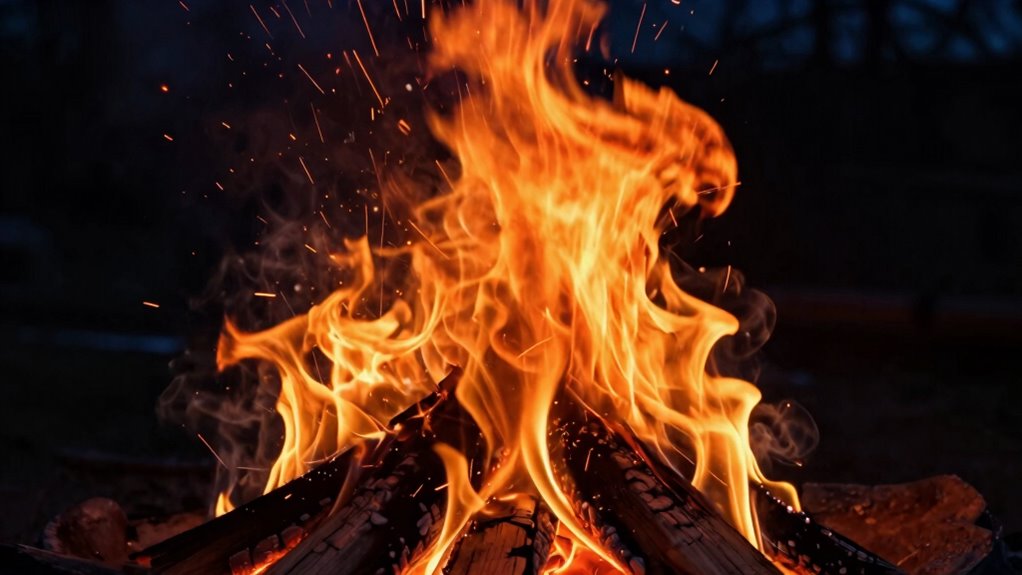
Fire has long been a powerful symbol that embodies both life and destruction, representing the dual forces that shape our world. Throughout history, humans have harnessed fire’s transformative power, imbuing it with deep symbolic meaning. In ancient rituals, fire was central to spiritual practices, believed to connect the earthly and divine realms. You might have seen how tribes and civilizations lit sacred bonfires to honor gods, seek protection, or mark significant life events. These rituals emphasized fire’s role as a purifier and a conduit for communication with higher powers. The flames represented renewal, cleansing sins, and ensuring prosperity, reinforcing fire’s significance as a life-giving force.
As societies evolved, so did the ways in which fire was viewed and used. Today, modern technology has transformed fire from a sacred ritual into an essential tool. You rely on it daily—cooking meals, providing warmth, generating energy. Yet, this technological mastery comes with risks. Fire’s destructive potential is evident in accidents, wildfires, and the chaos it can unleash if uncontrolled. Its dual nature remains clear: what sustains life can also threaten it. You see this tension reflected in firefighting efforts, where technology helps control destructive blazes, and in environmental debates about wildfires exacerbated by climate change. Understanding fire’s dual nature helps you appreciate its complex role in human life and the environment.
Despite these differences, both ancient rituals and modern technology recognize fire’s powerful symbolism. In ancient times, fire’s sacred role was intertwined with spiritual beliefs, emphasizing its life-affirming qualities. Today, technological advancements have shifted fire’s symbolism toward utility and control, but the underlying duality persists. You understand that fire’s symbolism is rooted in its ability to create and destroy, to nurture and devastate. Recognizing the historical significance of fire helps deepen your understanding of its enduring symbolism. Moreover, your awareness of fire management techniques highlights how crucial it is to balance its benefits with safety measures.
In both contexts, fire remains a potent symbol. It reminds you of the delicate balance between life and destruction, urging respect for its power. Whether through ancient ceremonies or cutting-edge technology, fire’s symbolism endures because it captures the essence of existence: the constant interplay between creation and chaos. As you look to the future, you can’t ignore how fire continues to shape your world—an enduring symbol of life’s ongoing cycle and its potential for both renewal and ruin.
Frequently Asked Questions
How Did Ancient Cultures First Discover Fire’s Dual Symbolism?
You observe that ancient cultures first discovered fire’s dual symbolism through their fire mythologies and cultural interpretations. They saw fire as life-giving, providing warmth and food, but also as destructive, capable of devastation. These interpretations helped them understand fire’s power, shaping myths that portrayed it as both a sacred gift and a dangerous force. Over time, this duality became embedded in their stories, rituals, and beliefs about fire’s essential yet destructive nature.
Are There Modern Rituals That Incorporate Fire as a Life Symbol?
Like a phoenix rising from ashes, modern rituals use fire as a symbol of renewal. You might participate in cultural fire rituals, such as the Japanese *Ohitaki* or Native American *Sun Dance*, where fire signifies life’s continual rebirth. These ceremonies harness fire’s dual nature, representing both destruction and regeneration. They remind you of the essential role fire plays in transforming and renewing life, connecting you to ancient traditions with profound symbolism.
What Scientific Processes Explain Fire’s Destructive and Life-Giving Properties?
You see fire’s dual role through chemical reactions and combustion processes. When fuel reacts with oxygen, it releases energy, producing heat, light, and gases—this is combustion. This process can destroy materials, but it also sustains life by cooking food, providing warmth, and enabling environmental renewal. The balance of these chemical reactions explains fire’s power to both devastate and nurture, shaping its symbolic significance across cultures.
How Is Fire Depicted Differently Across Various Religious Traditions?
You see fire as a sacred flame in many traditions, symbolizing divine presence or enlightenment. In some faiths, you witness sacred flames kept alive during ritual offerings, representing life and spiritual cleansing. Conversely, others view fire’s destructive aspect as a force of judgment or renewal. Across religions, fire’s dual role acts as a bridge between the mortal and divine, embodying both transformation and reverence in rituals.
Can Fire Symbolism Influence Contemporary Environmental Policies?
Fire symbolism can definitely influence contemporary environmental policies by emphasizing the importance of fire conservation and pollution reduction. When you see fire as a symbol of both life and destruction, you’re more likely to support policies that protect natural fire regimes while preventing harmful pollution. This symbolism encourages sustainable practices, promotes awareness of fire’s dual role, and drives efforts to balance ecological health with safety, fostering a more responsible approach to managing fire-related issues.
Conclusion
You now see fire as more than just flames; it’s a mirror of your own dual nature. Like fire, your life holds both sparks of creation and chances of destruction. Embrace its symbolism—allow it to ignite your passions and teach you resilience. Just as fire can destroy and renew, so can you transform challenges into new beginnings. Remember, fire’s duality reminds you: from ashes, new life rises, brighter and stronger than before.
Halloween Picks
halloween
As an affiliate, we earn on qualifying purchases.