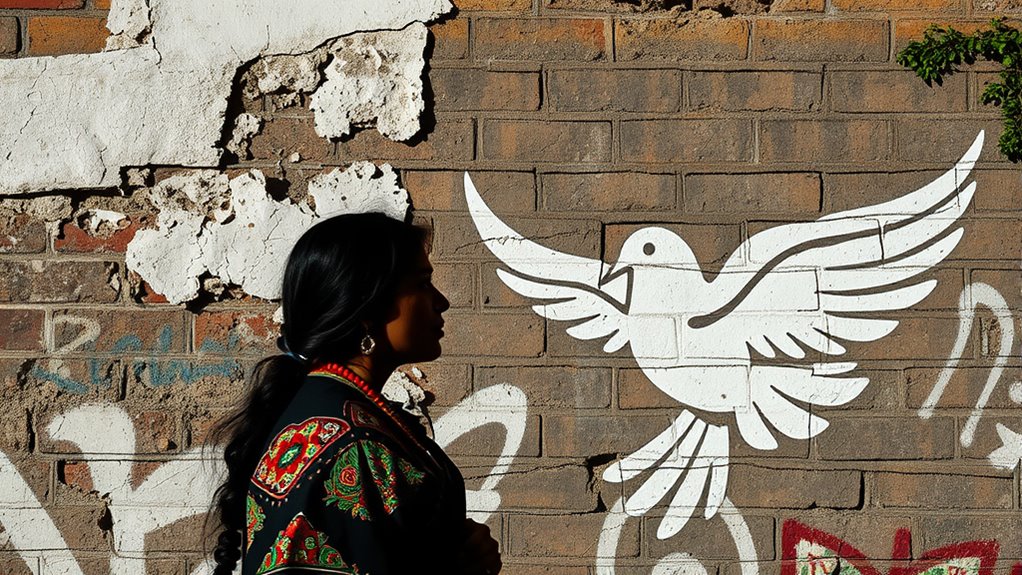

Symbols deeply influence your emotions and cultural identity, shaping how you perceive and react to the world around you. They evoke powerful feelings and serve as markers of shared values, beliefs, and histories. Different cultures interpret symbols uniquely, affecting your understanding of social norms and collective memories. Recognizing these hidden messages helps you grasp the true impact of symbols on societal bonds and personal identity—if you keep exploring, you’ll uncover even more about their profound significance.
Key Takeaways
- Symbols evoke deep emotional responses that influence individual perceptions and behavioral patterns within cultural contexts.
- Cultural variations in symbol interpretation shape collective identities and societal norms.
- Symbols serve as cultural signposts, guiding behavior and reinforcing shared values and beliefs.
- Recognition of symbols enhances understanding of their role in transmitting cultural memories and societal values.
- Symbols act as powerful visual tools that connect individuals to their cultural heritage and collective identity.
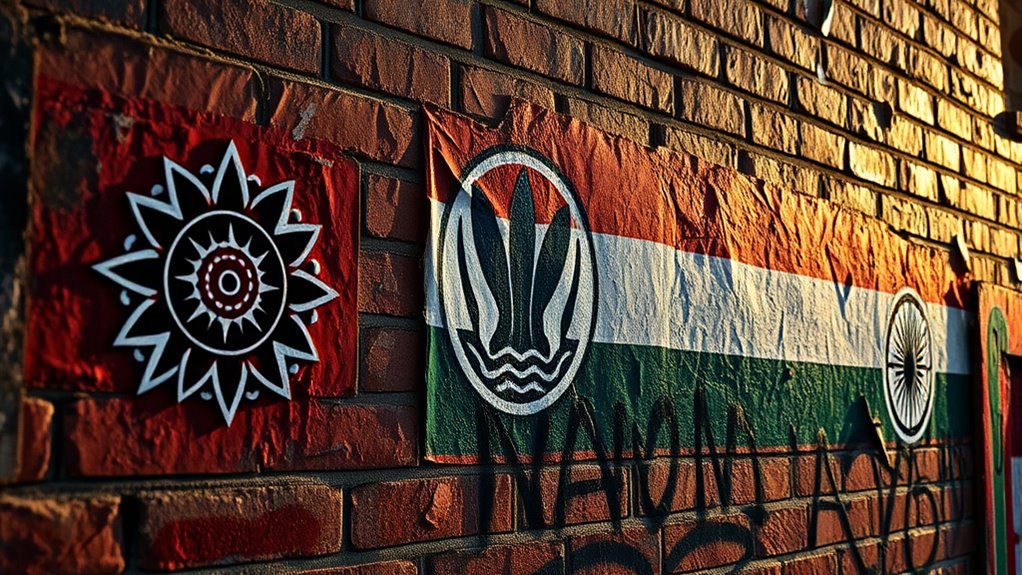
Have you ever wondered how a simple symbol can evoke powerful emotions or shape cultural identities? It’s fascinating how a single image or sign can carry so much meaning, influencing your thoughts and feelings without you even realizing it. This is where symbol interpretation becomes essential. When you encounter a symbol, your mind automatically begins to decode its significance, often drawing from personal experiences or cultural background. This process of understanding isn’t just about recognizing shapes or images; it’s about grasping the deeper, often subconscious, messages they convey. Cultural symbolism, in particular, plays a crucial role here. Different cultures assign unique meanings to the same symbols, creating a rich tapestry of shared understanding that binds communities together. For example, the color white might symbolize purity in one culture but mourning in another. Recognizing these differences helps you appreciate how symbols are embedded in the social fabric and how they influence collective identity.
As you dive deeper into the study of symbols, you start to see how they act as cultural signposts, guiding behavior and reinforcing societal norms. A national flag, for instance, isn’t just a piece of fabric; it embodies the history, values, and aspirations of a nation. When you see it waved at a rally, the emotional response it triggers stems from years of cultural symbolism woven into its fabric. Similarly, religious symbols like the cross or crescent hold profound spiritual significance, shaping individual beliefs and community practices. These symbols serve as visual anchors, providing a sense of belonging and shared purpose. Their interpretation often varies with context, but their impact remains influential across generations. Additionally, the power of instant torque in electric dirt bikes demonstrates how technological symbols can evoke admiration and aspiration within modern culture.
Understanding the cultural symbolism behind symbols helps you see their influence beyond surface appearances. It reveals how societies transmit values, ideals, and collective memories through visual cues. When you recognize these symbols, you’re not just observing; you are engaging with a cultural dialogue that has been ongoing for centuries. This awareness enhances your perception of the world and deepens your appreciation for the ways symbols shape identities and foster emotional bonds. Whether in art, rituals, or everyday life, symbols continue to serve as silent yet powerful messengers, bridging individual experiences with collective history. By grasping their significance, you gain insight into the complex web of psychological and cultural forces that make symbols such influential tools for communication and connection.
Top picks for "psychological cultural impact"
Open Amazon search results for this keyword.
As an affiliate, we earn on qualifying purchases.
Frequently Asked Questions
How Do Symbols Influence Subconscious Behavior Across Cultures?
Symbols influence your subconscious behavior through cultural symbolism, creating powerful subconscious associations across different cultures. When you encounter specific symbols, they trigger emotions, beliefs, or reactions without you realizing it. These associations shape your perceptions and actions, often guiding your decisions and interactions. By understanding cultural symbolism, you become more aware of how symbols subtly influence your behavior and the behaviors of others across diverse cultural contexts.
Can Symbols Change Their Meaning Over Time Within Societies?
While it’s often subtle, symbols can indeed change their meaning over time through cultural reinterpretation. You’ll find that symbol evolution reflects shifting societal values, beliefs, and influences. As societies grow and adapt, they reimagine symbols to fit new contexts, making their meanings fluid rather than fixed. This ongoing process highlights how cultural reinterpretation keeps symbols relevant, allowing them to resonate differently across generations while maintaining their core significance.
What Role Do Symbols Play in Shaping National Identity?
Symbols play a vital role in shaping your national identity by fostering a sense of national pride and unity. They embody your cultural heritage, reminding you of shared history and values. As you identify with these symbols, you strengthen your connection to your country. Over time, they evolve to reflect your society’s growth and changes, reinforcing your collective identity and pride in your nation’s unique cultural legacy.
Are There Symbols Universally Recognized Across All Cultures?
You might think there are no symbols universally recognized across all cultures, but cross-cultural symbolism and universal iconography do exist. For instance, the color red often signifies danger or love worldwide, and certain shapes like circles represent unity or wholeness across societies. While some symbols are shared, you should remember that their meanings can vary, so always consider cultural context when interpreting these symbols in different settings.
How Do Personal Experiences Alter the Interpretation of Symbols?
Your personal experiences shape how you interpret symbols by fueling personal bias and emotional attachment. For example, a symbol might evoke positive feelings because it reminds you of a loved one, or negative feelings if it’s tied to a painful memory. These experiences influence your understanding, making your interpretation unique. So, your background and emotions constantly color what symbols mean to you, creating a deeply personal perspective.
Conclusion
Think of symbols as seeds you plant in your mind’s garden. They can grow into vibrant flowers of understanding or tangled weeds of misunderstanding, depending on how you nurture them. Your perceptions shape their growth, influencing your feelings and beliefs. By choosing to cultivate positive symbols, you shape a landscape of connection and insight. Remember, you hold the power to nurture these seeds, transforming your inner world and the culture around you into a flourishing, meaningful garden.