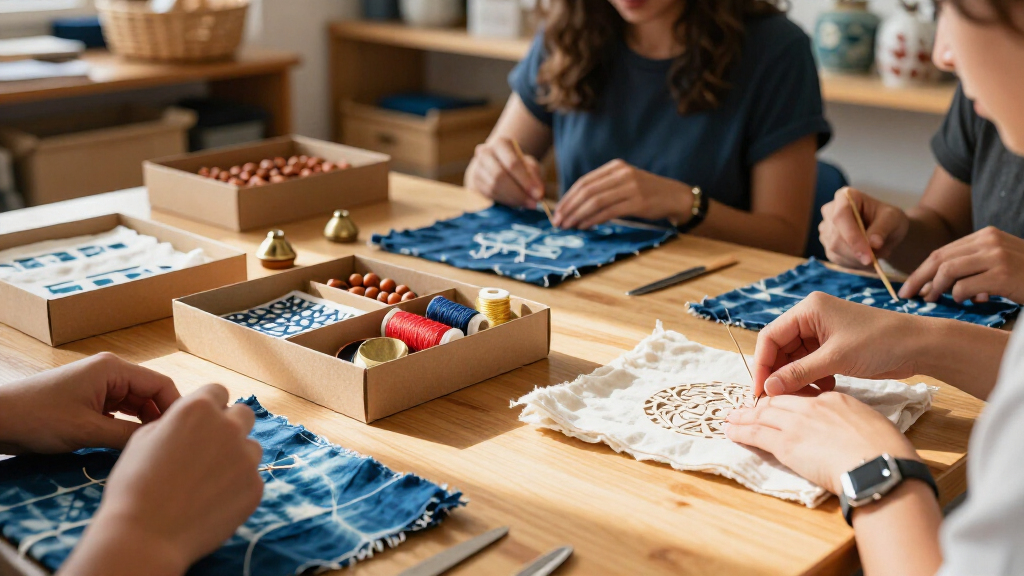

Cultural craft kits for students range from quick decorate-and-done activities to deeper projects that teach the meaning behind the craft, and that divide shapes almost every buying decision here. The Roylco Multi-Cultural Pre-Cut African Masks take the best overall spot because they combine a substantial finished product, room for creative expression, and enough durability for a classroom display. For teachers on tight budgets, the Roylco Japanese Carp Koinobori Windsock Kit delivers a striking, hangable result at a low per-student cost, while the Kulture Khazana Rangoli Mandala Sand Art Kit stands out for its cultural context — it is the only pick that explains the tradition it represents. The main tradeoff you will face is between authenticity and context on one side and price and prep simplicity on the other. Keep reading for the full breakdown of all ten kits.

Get art and craft supplies delivered free with Prime
- Fast, free delivery on millions of items
- Prime Video, Amazon Music and more included
- Member-only deals all year
Key Takeaways
- Roylco‘s two kits (African Masks and Koinobori Windsocks) outperformed the field because their finished pieces are large enough for classroom displays, while most coloring-card kits produce small take-home items that disappear into backpacks.
- Only one kit in the lineup — the Kulture Khazana Rangoli set — includes real cultural context, which makes it the strongest pick if teaching the meaning behind the craft matters more than the craft itself.
- Bulk 24-set kits from smaller brands (Epakh drums, Unittype rainsticks, Dvbonike sugar skulls) cost less per student but use thinner foam and generic stickers, so expect less durability and more quality inconsistency between sets.
- Two rainstick kits made the list, and the Colorations version wins on materials and instructions, while the Unittype version wins purely on price — a clear example of the quality-versus-cost tradeoff in this category.
- Hispanic Heritage Month coverage splits across two products: Dvbonike’s coloring cards suit younger or larger groups, while Fennoral‘s poke-in sugar skulls give older students a more hands-on, three-dimensional result.
| Roylco Multi-Cultural Pre-Cut African Masks, 11 x 15 Inches, Pack of 20 |  | Best Overall | Brand: Roylco | Mask Size: 11 x 15 inches | Pack Size: 20 masks | VIEW LATEST PRICE | See Our Full Breakdown |
| Roylco Japanese Carp Koinobori Windsock Craft Kit, 24-Pack |  | Best Value | Quantity: 24 windsocks | Material: Color-diffusing paper | Dimensions: 6 x 10 inches | VIEW LATEST PRICE | See Our Full Breakdown |
| Gueevin Color-Your-Own Teepee Craft Kits for Kids, 24 Sets |  | Best for Group Builds | Number of Kits: 24 | Assembled Size: 6.3 x 10.24 inches (16 x 26 cm) | Torsion Bars: 96 (4.72 inches each) | VIEW LATEST PRICE | See Our Full Breakdown |
| Colorations DIY Rainstick Craft Kit for Kids, Set of 12 | 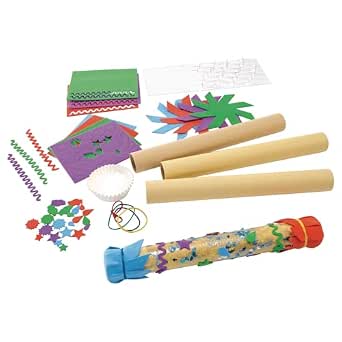 | Best for Sensory Learning | Brand: Colorations | Material: Cardboard | Tube Dimensions: 11 in L x 1.5 in Dia | VIEW LATEST PRICE | See Our Full Breakdown |
| Dvbonike 24-Piece Hispanic Heritage Month Coloring Card Craft Kit for Kids |  | Best Low-Prep Option | Brand: Dvbonike | Product Type: Kids’ paper craft kit | Theme: Hispanic Heritage Month | VIEW LATEST PRICE | See Our Full Breakdown |
| Kulture Khazana Make Your Own Rangoli Mandala Sand Art Kit |  | Best for Younger Students | Recommended Age: 5+ | Boards Included: 4 (7-inch each) | Sand Tubes: 8 colored glitter sand tubes | VIEW LATEST PRICE | See Our Full Breakdown |
| Colorations Colors Like Me Big People Glossy Shapes, Set of 24 |  | Best for Group Diversity Projects | Brand: Colorations | Kit Type: Paper craft kit (pre-cut people shapes) | Unit Count: 24 shapes | VIEW LATEST PRICE | See Our Full Breakdown |
| Fennoral 8-Pack Day of the Dead Poke-In Art Craft Kit |  | Best Seasonal Display Craft | Pieces Included: 8 foam skulls, 1200 fabric squares, 6 flowers, 4 poke-in tools, 8 color ropes | Foam Skull Sizes: 2 large, 4 small | Material: EVA foam, fabric | VIEW LATEST PRICE | See Our Full Breakdown |
| Unittype 24-Set DIY Rainstick Craft Kit with Yarn and Stickers |  | Best Sensory Group Activity | Number of Kits: 24 | Rainstick Length: 15.7 inches (40 cm) | Rainstick Diameter: 1.38 inches (3.5 cm) | VIEW LATEST PRICE | See Our Full Breakdown |
| Epakh 24-Set DIY Two-Sided Drum Craft Kit |  | Best for Older Student Groups | Brand: Epakh | Set Size: 24 drum craft kits | Ribbons Included: 60 colored ribbons (23.62 inches each) | VIEW LATEST PRICE | See Our Full Breakdown |
| cultural craft kits for student | Brand |
|---|---|
| Roylco Multi-Cultural Pre-Cut | Roylco |
| Roylco Japanese Carp Koinobori | — |
| Gueevin Color-Your-Own Teepee | — |
| Colorations DIY Rainstick Craf | Colorations |
| Dvbonike 24-Piece Hispanic Her | Dvbonike |
| Kulture Khazana Make Your Own | — |
| Colorations Colors Like Me Big | Colorations |
| Fennoral 8-Pack Day of the Dea | — |
| Unittype 24-Set DIY Rainstick | — |
| Epakh 24-Set DIY Two-Sided Dru | Epakh |
More Details on Our Top Picks
Roylco Multi-Cultural Pre-Cut African Masks, 11 x 15 Inches, Pack of 20
This set earns the top spot because it balances cultural depth with genuine classroom practicality. Unlike the Dvbonike coloring cards, which limit students to two-dimensional coloring, these large 11 x 15 inch pre-cut masks let a whole class build something wearable, foldable, and stage-worthy — the kind of finished project that anchors a unit on African ceremonial art or a school performance. The included idea guide is the real differentiator here; none of the other kits in this roundup pair the craft with structured guidance on symbolism and context, which matters for teachers who want respectful framing rather than pure decoration.
The tradeoff is that this is not a grab-and-go kit. Stapling, paint, markers, and embellishments are all separate purchases, so plan a supply list and an adult helper for younger grades.
Pros:- Large pre-cut masks need no cutting or tracing, cutting prep time dramatically for a full class
- Included idea guide covers the symbolism and significance of African ceremonial masks
- Masks are foldable and wearable, making them suitable for performances and displays
- Pack of 20 aligns neatly with typical classroom headcounts
Cons:- Requires separately purchased decorating and assembly supplies, including a stapler
- Adult guidance is needed both for assembly and for delivering culturally accurate instruction
Best for: Elementary and middle school teachers building multicultural art units who want a large-format, wearable project with built-in cultural context
Not ideal for: Budget-tight classrooms or parents wanting an all-inclusive kit — decorations, staples, and coloring supplies are not included
- Brand:Roylco
- Mask Size:11 x 15 inches
- Pack Size:20 masks
- Item Weight:12.8 ounces
- Manufacturer:School Specialty
- Model Number:R52010
- Assembly:Fold, staple, and decorate
Our verdict“The strongest all-around pick for teachers who want a cultural craft that culminates in something students can actually wear and present.”
Roylco Japanese Carp Koinobori Windsock Craft Kit, 24-Pack
At 24 windsocks per box, this kit delivers the lowest cost per student of any hands-on option here, and the color-diffusing paper gives it a party trick the Gueevin teepees can’t match: drip watercolor onto the fish and watch the pigment bloom into soft gradients, no painting skill required. That makes it forgiving for the youngest makers — the kit is rated for ages 4 and up, while the teepee and rainstick kits involve fiddly ties and small parts that suit slightly older kids.
The compromises are real, though. At 6 x 10 inches, the finished windsocks are small, and the paper construction means an outdoor Children’s Day display will sag or tear in weather. Compared with the Roylco masks, the cultural framing is thinner — the instructions cover the making, but the teaching is largely up to you.
Pros:- 24 crafts per kit offers the best per-student value in this lineup
- Color-diffusing paper creates impressive results with minimal skill
- Accessible for children as young as four
- Instructions included, so setup is fast for large groups
Cons:- Paper construction limits outdoor durability
- Finished windsocks are small at 6 x 10 inches
Best for: Preschool and early-elementary teachers, plus parents planning a Japanese Children’s Day activity on a tight per-student budget
Not ideal for: Anyone wanting durable outdoor decorations or a kit with substantial built-in cultural background — the paper is delicate and the context is minimal
- Quantity:24 windsocks
- Material:Color-diffusing paper
- Dimensions:6 x 10 inches
- Recommended Age:4 years and up
- Theme:Japanese carp koinobori
- Instructions Included:Yes
Our verdict“The smartest budget pick for younger students, provided the finished windsocks stay indoors.”
Gueevin Color-Your-Own Teepee Craft Kits for Kids, 24 Sets
Where most kits in this roundup produce a flat or single-piece craft, the Gueevin teepee set gives each student a three-dimensional structure to construct — 96 chenille torsion bars, 72 lengths of hemp rope, and 72 feathers turn 24 paper teepees into a small village, which is why it shines for camp programs and classroom collaboration. Compared with the Colorations rainstick kit, the build feels more architectural and the decorative accessories are richer out of the box, so less is left to source separately.
That richness is also the burden. Assembly is genuinely multi-step, and at roughly 6 x 10 inches assembled, the structures are modest rather than impressive. The small feathers and wire-based stems mean adult supervision is non-negotiable for younger kids, and there is no cultural guide like the one Roylco includes with its masks.
Pros:- Produces a satisfying 3D structure rather than a flat craft
- All decorative accessories — feathers, rope, chenille stems — are included for 24 builders
- Versatile across camps, classrooms, parties, and family activities
- Materials described as durable, safe, and odorless
Cons:- Assembly requires hands-on preparation and adult help, especially with small components
- No cultural or historical guide included for teaching context
Best for: Camp counselors, scout leaders, and teachers running camping- or Native American-themed units who want a 3D build with included accessories
Not ideal for: Parents of children under six or anyone wanting a quick single-session craft — assembly is multi-step with small parts
- Number of Kits:24
- Assembled Size:6.3 x 10.24 inches (16 x 26 cm)
- Torsion Bars:96 (4.72 inches each)
- Hemp Ropes:72 (11.81 inches each)
- Red Feathers:72 (3.15–5.91 inches)
- Materials:Paper, chenille wire, natural-fiber hemp rope, feathers
Our verdict“The go-to choice when a group needs a dimensional, accessory-rich build rather than a coloring activity.”
Colorations DIY Rainstick Craft Kit for Kids, Set of 12
This is the only kit in the lineup where the finished project does something you can hear. Each 11-inch cardboard tube produces a soft rain sound when turned end over end, which turns a craft session into a multisensory lesson on rain, nature, and the origins of the rainstick — a stronger hook for wiggly classrooms than a silent coloring card. Compared with the Unittype 24-set rainstick kit elsewhere in this roundup, the Colorations version includes sturdier tubes and its own decorative materials, but serves only 12 students, so mid-size classes will need two sets.
The honest limitation is material: cardboard cannot survive heavy handling the way a wooden rainstick would, so these are display-and-gentle-play objects. Budget decorating time too, since the tubes arrive plain and the payoff depends on it.
Pros:- Finished rainsticks produce a realistic rain sound, adding a sensory dimension no other kit here offers
- Built-in tie-ins to lessons on rain, nature, and rainstick traditions
- Non-toxic, safe materials from a school-supply brand
- Includes decorative materials, so no separate shopping trip
Cons:- Cardboard construction is less durable than wooden alternatives
- Set of 12 falls short for standard class sizes, doubling the cost for larger groups
- Requires meaningful assembly and decoration time before the payoff
Best for: Homeschool families and special-education or early-childhood teachers who want a craft with an auditory, sensory payoff
Not ideal for: Large classrooms of 20+ on one budget, or buyers wanting durable keepsakes — the cardboard build won’t withstand rough daily play
- Brand:Colorations
- Material:Cardboard
- Tube Dimensions:11 in L x 1.5 in Dia
- Unit Count:12 tubes
- Manufacturer:Discount School Supply – Excelligence
- Safety:Safe & Non-Toxic
- Model Number:RAINKIT
Our verdict“The pick for teachers and parents who want a craft students can hear, not just look at — if your group is 12 or fewer.”
Dvbonike 24-Piece Hispanic Heritage Month Coloring Card Craft Kit for Kids
When the calendar flips to mid-September and Hispanic Heritage Month events pile up, this is the zero-prep answer: 24 pre-printed cards, six festive designs featuring hats, hearts, and flags, and nothing to assemble, staple, or tie. Compared with the Roylco koinobori kit, there is no water or drying time, and compared with the Gueevin teepees there are no small parts to sort — it works as a station activity, early-finisher task, or party table filler with essentially no supervision. The tradeoff is depth. Coloring cards are the least ambitious format in this roundup: there is no build, no sound, no wearability, and no cultural guide explaining the designs, so the teaching burden sits entirely with the adult.
Also note the math — with only four cards per design, popular motifs run out fast in a free-choice setting.
Pros:- Truly no-prep: cards are ready to color straight from the box
- Six festive Hispanic Heritage Month designs across 24 cards
- Durable, non-toxic paper suited to markers, crayons, or colored pencils
- Doubles as decoration or take-home keepsakes once colored
Cons:- Shallow format — no assembly, movement, or built-in cultural education
- Only four copies of each design, limiting choice in larger groups
- No warranty offered
Best for: Teachers and event organizers needing a fast, mess-free Hispanic Heritage Month activity that requires no setup or supervision
Not ideal for: Anyone wanting a substantive cultural lesson or 3D project — these are flat coloring cards with no background material included
- Brand:Dvbonike
- Product Type:Kids’ paper craft kit
- Theme:Hispanic Heritage Month
- Included Components:24 coloring cards
- Design Count:6 designs, 4 cards each
- Material:Paper
- Manufacturer Part Number:CAD-Spanish Craft 24Pcs
Our verdict“A pragmatic pick for busy Heritage Month programming, as long as you accept it is a coloring activity and nothing more.”
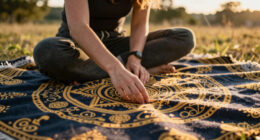
Kulture Khazana Make Your Own Rangoli Mandala Sand Art Kit
Among the kits in this roundup, this one stands out for how little setup and supervision it demands. The peel-and-stick boards mean no glue, no scissors, and no spills — a real advantage over the Fennoral poke-in skull kit, which requires more dexterity and patience. Four seven-inch mandala boards and eight glitter sand tubes give students enough variety to experiment with color sequencing while learning about Diwali and Holi. Compared with the Colorations Big People Shapes set, the cultural framing here is more explicit: finished rangoli designs connect directly to a real South Asian tradition rather than a general diversity theme. The tradeoff is ceiling — older students will finish quickly and may find the single-use boards limiting, and there is no way to redo a design once sand is applied.
Pros:- Mess-free peel-and-stick format keeps cleanup minimal compared to glue-based kits
- Everything included — boards, sand, tools, instructions — for immediate use
- Genuine cultural education tied to Diwali and Holi traditions
- Builds fine motor skills, color recognition, and sequencing in young children
Cons:- Too simple for students beyond early elementary age
- Only 4 single-use boards, so designs cannot be reworked or extended
Best for: Elementary teachers and parents of kids ages 5-8 who want a low-mess, culturally specific activity for Diwali or Holi lessons
Not ideal for: Middle school students or crafters wanting repeatable, multi-session projects — the four boards are single-use and the designs are simple
- Recommended Age:5+
- Boards Included:4 (7-inch each)
- Sand Tubes:8 colored glitter sand tubes
- Additional Tools:Wooden stick, brush, step-by-step instructions
- Type:Mess-free peel-and-stick sand art
- Theme:Rangoli mandala, Indian & South Asian culture
Our verdict“This is the pick for teachers of young children who want authentic cultural learning with almost zero cleanup, but older students will outgrow it fast.”
Colorations Colors Like Me Big People Glossy Shapes, Set of 24
This set takes a different approach from every other kit here: instead of a guided cultural template like the rangoli boards or the Fennoral sugar skulls, it hands students blank 7.75 x 12-inch multicultural people shapes and lets the lesson come from the decorating itself. That openness is its greatest strength for self-portrait and identity projects — kids choose their own skin-tone shape and build from there. The pre-cut design also means no scissors, making it safer for younger groups than the Epakh drum kit, which carries a 12-year minimum age. The flip side is that it is more craft supply than finished kit: fabric, beads, glitter, and glue all come separately, so the real cost and prep time sit outside the box. Teachers will also want to preview the color tones, which vary between sets.
Pros:- Pre-cut shapes eliminate scissors and speed up group setup
- Large 7.75 x 12-inch canvases allow detailed, personal customization
- Scales well to full classrooms and diversity-themed events
Cons:- Decorating materials like fabric, beads, and glitter are not included
- Skin-tone colors may vary between sets, which can matter for identity lessons
Best for: Classroom teachers planning multicultural units, heritage celebrations, or all-about-me projects for groups of up to 24 students
Not ideal for: Buyers expecting a complete out-of-the-box activity — all decorating materials must be sourced separately
- Brand:Colorations
- Kit Type:Paper craft kit (pre-cut people shapes)
- Unit Count:24 shapes
- Shape Dimensions:7.75 x 12 inches
- Manufacturer:Discount School Supply
- Model Number:MKIDCARD
Our verdict“A flexible foundation for group diversity projects rather than a complete kit — ideal if your classroom already stocks decorating supplies.”
Fennoral 8-Pack Day of the Dead Poke-In Art Craft Kit
Where most kits in this roundup end up in a folder or take-home bag, this one produces finished decorations students can actually hang — a satisfying outcome for Halloween and Dia de los Muertos units. The poke-in method (tucking 1,200 fabric squares into EVA foam skull outlines) is quieter and tidier than the sand or glue processes in the Kulture Khazana rangoli kit, and the eight finished skulls — two large, four small — work well strung across a classroom window. Compared with the Dvbonike coloring cards, this demands more fine motor precision, so it sits better with second grade and up. The honest tradeoff: the repetitive poking motion delights some kids and frustrates others, and the small fabric squares mean toddlers in mixed-age settings need to be kept away.
Pros:- Finished skulls double as hangable window, door, or wall decorations
- Generous material count (8 skulls, 1200 fabric squares) supports small groups and repeated sessions
- Made from safe, environmentally friendly EVA foam
- Combines fine motor skill-building with Day of the Dead cultural learning
Cons:- Poke-in process can be tedious and frustrating for younger or impatient kids
- Small fabric squares present a choking hazard around toddlers
Best for: Teachers and families running Dia de los Muertos or Halloween activities who want display-worthy finished pieces for small groups
Not ideal for: Very young children or mixed-age toddler settings — the poke-in technique is fiddly and small pieces pose a choking hazard
- Pieces Included:8 foam skulls, 1200 fabric squares, 6 flowers, 4 poke-in tools, 8 color ropes
- Foam Skull Sizes:2 large, 4 small
- Material:EVA foam, fabric
- Recommended Use:Halloween / Dia de los Muertos decoration, classroom art activity
- Skills Developed:Hand-eye coordination, fine motor skills, creative expression
Our verdict“The best choice when the goal is a culturally grounded craft that becomes a real decoration — just plan it for students with the patience for detail work.”
Unittype 24-Set DIY Rainstick Craft Kit with Yarn and Stickers
This is the rare craft kit that ends with an instrument students can play, which gives it a sensory payoff none of the paper-based options like the Colorations people shapes can match. With 24 pre-portioned rainstick bodies, lids, diamond stickers, pipe cleaners, and twine, it mirrors the group scale of the Epakh drum kit — but where the Epakh drums list a 12-year minimum age, the simple decorate-and-fill assembly here works for younger classrooms. The tradeoff is honesty about completeness: rice or beans are not included, so someone has to supply and distribute the filling, and buyers report the kits may need airing out on arrival to prevent moisture problems. At 15.7 inches, the finished rainsticks are also bulky to store for a class of 24, so plan shelf space before ordering.
Pros:- Finished rainsticks produce real sound, adding an auditory sensory dimension
- Pre-portioned supplies for 24 make group distribution simple
- Works across classrooms, camps, family events, and cultural lessons
- Straightforward decorate-and-assemble process suitable for a wide age range
Cons:- Rice or beans for the filling are not included
- Kits may need airing out after delivery to prevent moisture issues
Best for: Music teachers, camp leaders, and classroom instructors running group lessons on world instruments or rainforest cultures for up to 24 students
Not ideal for: Buyers wanting a fully complete kit — the rice or bean filling is a required add-on — or anyone short on storage for two-foot-long finished sticks
- Number of Kits:24
- Rainstick Length:15.7 inches (40 cm)
- Rainstick Diameter:1.38 inches (3.5 cm)
- Lids:48 total (2 per rainstick)
- Acrylic Diamond Stickers:24 sheets
- Pipe Cleaners:48 in 10 colors
- Required Additional Materials:Rice or beans
Our verdict“The strongest pick for group sensory and music-based cultural learning, provided you’re willing to supply the filling and tolerate the logistics of a 24-stick build.”
Epakh 24-Set DIY Two-Sided Drum Craft Kit
This kit sits at the top of this batch for age range and material generosity — 24 unfinished drums, 60 ribbons, and 500 foam stickers give an entire class room to customize without rationing. Unlike the Unittype rainstick kit, which needs a grocery run for rice or beans, everything functional is in the box. But two things set it apart in ways buyers should weigh honestly. First, the 12-year minimum age makes it unusable for the elementary groups most kits in this roundup serve — this is squarely a middle school, Sunday school, or teen program purchase. Second, the drums are small at just under 4 inches, so expectations of a substantial instrument should be tempered; the value is in the decorating and discussion, not the sound. Teachers should also prepare thoughtful context around the Native American-inspired design rather than treating it as a generic craft.
Pros:- Fully complete kit — no fillers or add-on materials required
- 500 foam stickers and 60 ribbons allow deep customization per student
- Scales to a full class of 24 with generous spares
- Accommodates both left- and right-handed students
Cons:- 12-year minimum age excludes most elementary and early-childhood settings
- Native American-inspired theme requires educators to provide appropriate cultural context
- Small 3.94-inch drums limit the musical payoff
Best for: Middle school teachers, youth group leaders, and Sunday school coordinators who need a complete 24-person activity for older students
Not ideal for: Elementary classrooms or families with young kids — the 12-year minimum age and small parts rule it out
- Brand:Epakh
- Set Size:24 drum craft kits
- Ribbons Included:60 colored ribbons (23.62 inches each)
- Foam Stickers Included:500 colored foam stickers
- Drum Dimensions:3.94-inch diameter x 2.76-inch height
- Hand Orientation:Left- and right-handed
- Minimum Age:144 months (12 years)
Our verdict“The right buy for older-student group programs that want an all-in-one decorating activity — skip it if your group skews under 12 or if you want a serious-sounding instrument.”
How We Picked
I evaluated each kit against four criteria that matter most in a classroom setting. Educational depth came first: does the kit teach something about the culture it represents, or is it purely a decorating exercise? Kits that included cultural background or produced a recognizable traditional object ranked higher than generic coloring activities. Finished-product impact came second — a mask large enough to display or a windsock that actually flies delivers more value than a small card, especially for schools that showcase student work.
From there, I weighed materials quality and prep burden, since teachers need kits that survive 25 pairs of hands without an hour of cutting and sorting beforehand. Finally, I calculated per-student cost across the group sizes each kit serves, which ranged from 8 to 24 students. Ranking favored kits that balanced all four factors; kits that excelled on price but failed on durability, or looked impressive but taught nothing cultural, ranked lower despite their strengths.
| cultural craft kits for student | Brand |
|---|---|
| Roylco Multi-Cultural Pre-Cut | Roylco |
| Roylco Japanese Carp Koinobori | — |
| Gueevin Color-Your-Own Teepee | — |
| Colorations DIY Rainstick Craf | Colorations |
| Dvbonike 24-Piece Hispanic Her | Dvbonike |
| Kulture Khazana Make Your Own | — |
| Colorations Colors Like Me Big | Colorations |
| Fennoral 8-Pack Day of the Dea | — |
| Unittype 24-Set DIY Rainstick | — |
| Epakh 24-Set DIY Two-Sided Dru | Epakh |
Factors to Consider When Choosing Cultural Craft Kits For Students
Choosing a cultural craft kit involves decisions that go beyond picking a pretty project. Before buying, think through these factors to avoid the most common mistakes teachers and parents make in this category.Cultural Authenticity Versus Superficial Crafts
The biggest mistake buyers make is treating every kit labeled cultural as equally educational. Some kits produce objects with genuine roots in a tradition — Koinobori windsocks flown for Children’s Day in Japan, or rangoli patterns made during Diwali — while others are essentially generic crafts with a cultural sticker slapped on. Before purchasing, ask whether the finished item would be recognizable to someone from that culture. Another useful test: could a student explain what they made and why after the activity? If the answer is no, the kit is decoration, not education. This distinction also affects how comfortable you should be displaying the work, since shallow adaptations of sacred or ceremonial objects can draw criticism from families and communities. When in doubt, look for kits from brands that include background information, and plan to supplement with a short lesson yourself.
Group Size and Per-Student Cost Math
Kit sizes in this category range from 8 to 24 sets, and the packaging can mislead you about real value. An 8-pack at a low price can cost more per student than a 24-pack at triple the price, so always divide before comparing. Bulk packs also introduce a hidden problem: quality inconsistency. In larger multi-set packs from smaller brands, some sets may arrive with missing stickers or bent pieces, so order a spare margin of one or two sets if your activity is for a specific event like a heritage month celebration. Also check whether the kit count matches your actual class size — a 24-pack for a class of 18 leaves waste, while a 12-pack for 22 students creates a shortage scramble the night before. Teachers who buy repeatedly often settle on one or two reliable bulk kits per school year rather than experimenting each time.
Age Range and Fine Motor Demands
Craft kits marketed to kids span a surprisingly wide ability range, and mismatched motor-skill demands are the fastest way to derail a lesson. Poke-in kits and sand art require precise hand control that frustrates five-year-olds but engage eight-year-olds, while large coloring surfaces work well for younger students and bore older ones. Read the recommended age as a floor, not a suggestion, and consider your specific group — a class with mixed abilities may do better with a two-step kit where faster students can add detail while slower students finish the basics. Also consider whether the activity needs adult supervision for glue, small pieces, or poking tools, since a kit that requires one-on-one help is not practical for a single teacher with a full classroom. The right difficulty level keeps students independent for the full activity period.
Prep Time and Required Supplies
Some kits arrive truly ready to open and use; others quietly assume you have glue, scissors, string, tape, or drying space on hand. This distinction rarely appears on the product listing, so check the materials list carefully and read reviews for mentions of missing components. Pre-cut kits cost more but eliminate the cutting bottleneck that turns a 20-minute activity into an hour. Also think about drying and assembly time — anything involving glue means students cannot take the project home the same day unless you have a flat place to leave 24 drying crafts. For substitute teachers or last-minute lesson plans, self-contained kits with stickers instead of glue are the safest choice. Planning prep time honestly is often the difference between a craft that lands and one that gets abandoned halfway through.
Display Value Versus Take-Home Appeal
Decide before buying whether the finished craft is meant for a bulletin board or a backpack, because kits optimize for one or the other. Large masks, windsocks, and drums create hallway displays that showcase a cultural unit for weeks and justify the cost to administrators and parents. Small cards and flat ornaments go home immediately, which families often appreciate more, but they leave no visible trace of the lesson. If your school celebrates heritage months with displays, prioritize three-dimensional or hangable projects even at a higher price. If parent engagement is the goal, take-home crafts with a small explanatory note attached work better. Some teachers split the difference by choosing display-worthy crafts and photographing them before students take them home at the end of the unit.
Frequently Asked Questions
Which kit is best if I want students to actually learn about the culture, not just decorate?
The Kulture Khazana Rangoli Sand Art Kit is the strongest option for cultural learning because it is built around a specific tradition — Diwali rangoli — rather than a generic craft with cultural styling. Students engage with real patterns and the reasoning behind the art form, which opens the door to a discussion about Indian and South Asian festivals. The Roylco Koinobori windsock kit is a close second if your unit covers Japan, since carp streamers are a recognizable Children’s Day tradition with an easy-to-tell backstory. For the others, plan to add your own short lesson, because most include little to no background information in the packaging. A five-minute cultural introduction before the activity dramatically improves how much students retain regardless of which kit you choose.
Are the 24-pack bulk kits really cheaper, or do I sacrifice quality?
The honest answer is that you sacrifice some quality, and how much depends on the brand. Roylco and Colorations bulk kits maintain consistent materials across sets, which is why they justify their slightly higher per-student cost. Smaller-brand multipacks like the Epakh drum and Unittype rainstick kits use thinner foam and lighter stickers, and buyers frequently report occasional sets with missing pieces. That said, if your crafts are single-day activities that go home the same week, the durability difference barely matters. The savings become meaningful when buying for multiple classes or a whole grade level. My suggestion is to treat bulk kits from lesser-known brands as budget choices for large groups, and pay brand-name prices when the craft needs to survive handling or go on display.
What can I do for Hispanic Heritage Month with mixed age groups?
Split your purchase between the two Hispanic-focused kits depending on ability. The Dvbonike coloring cards work well for kindergarten through second grade because coloring requires no special motor skills and the 24-piece count covers a full class. The Fennoral poke-in sugar skulls suit third grade and up, since the poke-in technique demands steadier hands but rewards older students with a three-dimensional Day of the Dead craft they take more pride in. If your budget covers only one kit, the coloring cards are the safer bet for mixed ages, with the poke-in skulls as an extension activity for early finishers. Either way, include a brief explanation of Día de los Muertos, because both kits assume the teacher provides the cultural context.
Which of these kits need glue or extra supplies I should plan for?
The Unittype and Epakh kits are the main ones to watch, since their yarn, ribbon, and sticker decorations sometimes need tape or glue reinforcement, and rainstick kits generally require a sealing step. The poke-in sugar skull kit avoids glue entirely by design, which makes it one of the cleanest options for classrooms without sink access. Coloring-based kits like the African masks and the Dvbonike cards need only crayons or markers, though the masks look far better with paint if you have drying space. My practical advice is to open one set and inventory the contents a few days before the activity rather than trusting the materials list. A quick check catches missing pieces while there is still time to substitute from your classroom supply closet.
Can these kits work for a school cultural fair or family night event?
Yes, but choose based on how the event runs. For drop-in stations where families complete a craft together in ten to fifteen minutes, the Koinobori windsocks and rainstick kits work well because the steps are simple and the results are satisfying regardless of age. The African masks make the strongest fair choice if you want a display wall building up over the course of the event, since finished masks are large and photogenic. Avoid the sand art kit for high-traffic events — glitter sand and crowds of moving children do not mix well, and spills will dominate your station. For multi-station fairs, pairing a fast craft with a display craft at each table keeps families moving while still producing memorable results.
Conclusion
After comparing all ten kits, the right choice depends less on quality gaps and more on what you need the craft to accomplish. For best overall, the Roylco Multi-Cultural Pre-Cut African Masks deliver the best combination of size, creative latitude, and display value. The best value pick is the Roylco Koinobori Windsock Kit, which produces an impressive hangable result at one of the lowest per-student costs in the lineup. For the best cultural learning experience, the Kulture Khazana Rangoli Sand Art Kit is the only option that teaches the tradition behind the craft, making it worth the extra mess.
For younger students or beginners, the Dvbonike coloring cards and Colorations Big People Glossy Shapes offer frustration-free activities that need no special skills. If you need a hands-on project for older students, the Fennoral poke-in sugar skulls provide the most engaging three-dimensional result. And for tight budgets covering large groups, the Epakh drum and Unittype rainstick kits get the job done — just temper expectations on material quality and check each set for missing pieces before the activity.
Halloween Picks
halloween
As an affiliate, we earn on qualifying purchases.