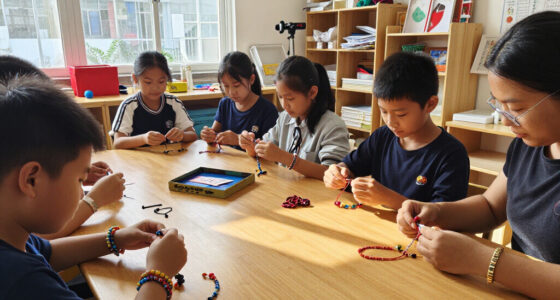
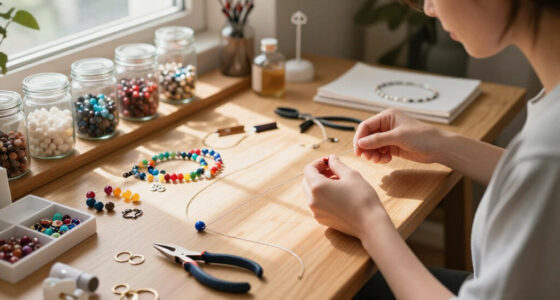
If you’re searching for cultural craft kits for students, the biggest decision you’ll face is whether you want a culture-specific project (like Japanese koinobori windsocks or Native American-inspired drums) or a broad craft supply kit that supports multiple cultural units throughout the year. The Zefy 3800+ Piece Arts and Crafts Kit stands out as my best overall pick because its sheer variety lets one purchase cover Diwali, Lunar New Year, Cinco de Mayo, and beyond, while the Roylco Japanese Carp Koinobori Kit offers the deepest single-culture experience with an authentic Children’s Day tradition built into the project itself. For teachers on tight budgets, the Colorations Rainstick Kit delivers twelve complete projects at a low per-student cost. The tradeoffs come down to prep time, cultural depth, and whether finished projects actually teach something. Read on for the full breakdown of all six kits.

Get art and craft supplies delivered free — and shop member deals
- Fast, free delivery on millions of items
- Access to Prime Big Deal Days deals on October 6–7
- Prime Video, Amazon Music and more included
Key Takeaways
- Broad supply kits like the Zefy 3800-piece set won on versatility, but culture-specific kits like the Roylco Koinobori delivered far stronger ties to an actual tradition, so ‘best’ depends on your curriculum structure.
- Per-student cost swung dramatically across the lineup: classroom bulk kits (rainsticks, drums, sand art) landed well under $2 per student, while the Zefy kit cost more upfront but stretched across multiple units.
- Only two kits in this roundup included real cultural context in their instructions; for the others, teachers will need to supply the history and meaning themselves.
- Prep time differed more than price: the Leitait bracelet wands were nearly zero-prep, while the Epakh drum kit and Koinobori windsocks required assembling, gluing, and drying time that doesn’t fit a single 30-minute class block.
- The Juneteenth sand art kit was the only option tied to a U.S. holiday, making it the strongest fit for American history curricula but the weakest fit for general world-culture units.
| Zefy 3800+ Pcs Arts and Crafts Kit Supplies for Kids |  | Best Overall | Number of Supplies: 3800+ | Included Items: Tissue papers, sequins, pompoms, matchsticks, foam stickers, feathers, pipe cleaners, beads, wooden pieces, craft tools | Tutorials: 20 step-by-step craft designs | VIEW LATEST PRICE | See Our Full Breakdown |
| Colorations RAINKIT DIY Rainstick Kit for Kids, Set of 12 | 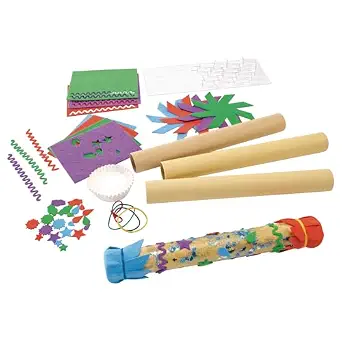 | Best for Group Cultural Lessons | Number of Pieces: 12 rainstick tubes | Material: EVA foam and cardboard | Theme: Native American, multi-cultural | VIEW LATEST PRICE | See Our Full Breakdown |
| Leitait 24 Pack Bracelet Wands, Charm Bracelet Jewelry Making Kit for Kids |  | Best Value for Parties and Classrooms | Number of Bracelets: 24 | Colors: 7 | Patterns: 8 cartoon-themed designs | VIEW LATEST PRICE | See Our Full Breakdown |
| Roylco Japanese Carp Koinobori Wind Sock Craft Kit – 24 Color Diffusing Paper Fish Windsocks |  | Best for Cultural Celebrations | Quantity: 24 windsocks | Material: Color diffusing paper | Size: 6 x 10 inches each | VIEW LATEST PRICE | See Our Full Breakdown |
| Epakh 24 Set DIY Drum Craft Kit for Kids Native American Arts and Crafts |  | Best Finished Take-Home Project | Set Includes: 24 drums, 60 ribbons, 500 foam stickers | Drum Size: 2.76 in (7 cm) height x 3.94 in (10 cm) diameter | Ribbon Length: 23.62 in (60 cm) | VIEW LATEST PRICE | See Our Full Breakdown |
| Cinrobiye 24 Sets Juneteenth Sand Art Craft Kit for Classroom and Celebration |  | Best Cultural History Lesson | Number of Sets: 24 | Designs: 6 assorted designs | Sand Colors: Red, Green, Yellow | VIEW LATEST PRICE | See Our Full Breakdown |
| cultural craft kits for student | Suitable For |
|---|---|
| Zefy 3800+ Pcs Arts and Crafts | Kids of all ages (supervision recommended for younger children) |
| Colorations RAINKIT DIY Rainst | Kids, homeschool and classroom use |
| Leitait 24 Pack Bracelet Wands | — |
| Roylco Japanese Carp Koinobori | — |
| Epakh 24 Set DIY Drum Craft Ki | — |
| Cinrobiye 24 Sets Juneteenth S | Classroom activities, celebrations, school projects, party favors |
More Details on Our Top Picks
Zefy 3800+ Pcs Arts and Crafts Kit Supplies for Kids
When I weigh everything a student crafter needs, this kit earns the top spot because it solves the problem every themed kit creates: running out of materials mid-project. With 3,800+ pieces spanning beads, feathers, pipe cleaners, and foam stickers, it works as the supply backbone for cultural projects of any origin — unlike the Roylco Koinobori kit, which locks you into one Japanese craft. The 20 step-by-step tutorials make it approachable for beginners, though the open-ended nature means it won’t teach cultural context on its own. Where the Epakh drum kit delivers a specific lesson, this one delivers volume and flexibility. The tradeoff is real: younger students may find the sheer quantity chaotic, and adults will need to organize and supervise. This pick makes the most sense for classrooms and households running many projects over a school year.
Pros:- Massive 3,800+ piece assortment covers nearly any craft style
- 20 guided tutorials help beginners get started quickly
- Portable gift box keeps supplies organized between sessions
- Supports fine motor skill development, color recognition, and counting
Cons:- Overwhelming quantity with no clear age range — younger kids need supervision
- No cultural or thematic focus, so lesson context must come from elsewhere
Best for: Teachers and parents who want one bulk supply kit that can support many different craft projects across a full school year
Not ideal for: Buyers wanting a single culturally specific lesson with built-in educational context — this kit provides materials, not curriculum
- Number of Supplies:3800+
- Included Items:Tissue papers, sequins, pompoms, matchsticks, foam stickers, feathers, pipe cleaners, beads, wooden pieces, craft tools
- Tutorials:20 step-by-step craft designs
- Storage:Portable gift box
- Suitable For:Kids of all ages (supervision recommended for younger children)
- Educational Features:Color and size recognition, counting, fine motor skills
Our verdict“Buy this if you need a versatile, high-volume craft supply foundation rather than a single themed cultural activity.”
Colorations RAINKIT DIY Rainstick Kit for Kids, Set of 12
This rainstick kit earns its place through authentic cultural framing — it explicitly connects the craft to Native American and multicultural rain traditions, which most kits in this lineup skip entirely. Compared with the Epakh drum kit, the 12-piece classroom-ready set covers fewer students, but the rainstick concept pairs naturally with lessons on weather, music, and indigenous cultures across the Americas. The EVA foam and cardboard construction keeps it affordable per student, and finished pieces actually function as decorated objects students can take home. The honest drawback: unlike a drum, these tubes are decoration-only with no sound-producing element, which may disappoint kids expecting a working rainstick. You’ll also need to supply your own paint and glue. This option stands out for homeschool co-ops and multi-student classrooms that prioritize the lesson over the finished toy.
Pros:- Explicit Native American and multicultural educational theme
- 12-piece set sized well for small groups and co-op classes
- Simple cardboard and foam build keeps per-student cost low
- Pairs easily with weather, music, and cultural studies units
Cons:- Decoration-only — no sound or musical function despite the rainstick name
- Requires additional art supplies (paint, glue) not included in the kit
Best for: Homeschool families and classroom teachers running multicultural units who want a craft tied to an actual cultural lesson
Not ideal for: Parents seeking a self-contained kit — decoration materials are not included and the finished tube makes no sound
- Number of Pieces:12 rainstick tubes
- Material:EVA foam and cardboard
- Theme:Native American, multi-cultural
- Suitable For:Kids, homeschool and classroom use
- Assembly:Requires additional decoration materials
- Function:Decorative craft (no sound feature)
Our verdict“Choose this when the cultural lesson matters more than the finished product, and skip it if kids expect a playable instrument.”
Leitait 24 Pack Bracelet Wands, Charm Bracelet Jewelry Making Kit for Kids
At 24 complete bracelets for a single purchase price, this kit delivers the best per-student value in the roundup, edging out the Colorations rainstick set on quantity and beating the Roylco Koinobori kit on finished-product appeal — kids actually wear what they make. The 8 cartoon patterns and 15 bead styles give students real creative choices, and the wand format is forgiving enough for the 4–8 age range without adult heavy lifting. Culturally, it’s the weakest fit here: friendship bracelets are a folk craft tradition, but the kit does no teaching about it, so it belongs in a roundup as the fun, social option rather than the educational one. Note that beads and patterns ship randomly, so two classrooms ordering the same kit may get different mixes. This model is better suited to celebrations and rewards than to a cultural studies unit.
Pros:- 24 complete bracelet sets offer excellent per-student value
- Wide variety: 7 colors, 8 patterns, and 15 bead styles
- Age-appropriate design that young kids can finish independently
- Wearable results students actually keep and use
Cons:- Beads and patterns arrive in random assortments, so contents vary
- Narrow 4–8 age range limits classroom flexibility
- No cultural or educational content beyond the craft itself
Best for: Parents and teachers planning birthday parties, classroom reward days, or craft stations who need many finished take-homes cheaply
Not ideal for: Educators building a cultural curriculum — the kit has no cultural context or lesson material
- Number of Bracelets:24
- Colors:7
- Patterns:8 cartoon-themed designs
- Bead Styles:15
- Suitable Age:4–8 years
- Assortment:Beads and patterns ship in random selection
Our verdict“Grab this for volume and fun, not for learning — it’s the party pick, not the lesson plan.”
Roylco Japanese Carp Koinobori Wind Sock Craft Kit – 24 Color Diffusing Paper Fish Windsocks
This is the most genuinely cultural kit in the lineup: Koinobori carp streamers are the real symbol of Japan’s Children’s Day, so the craft carries authentic meaning the Leitait bracelet kit and Zefy mega kit simply don’t offer. The color-diffusing paper is the standout feature — add watercolor or marker and watch pigment bloom across the fish, which turns decorating itself into a small science-art moment. With 24 windsocks at 6″ x 10″, a full classroom can participate, and finished pieces look striking strung together as a display. The tradeoff is scope: this is one craft, one culture, one celebration, so it serves a single lesson beautifully but has zero replay value afterward. Younger students will need help with assembly. This pick makes the most sense for a Japan unit capped by a visible, hangable result.
Pros:- Authentic Koinobori tradition tied to Japan’s Children’s Day
- Color-diffusing paper creates striking painted effects easily
- 24 pieces cover an entire classroom
- Finished windsocks double as vibrant hanging decorations
Cons:- Single-culture, single-project focus with no reuse afterward
- Younger children (4+) need adult help with assembly
Best for: Teachers building a Japan or Children’s Day unit who want an authentic, display-worthy finished decoration for a full class
Not ideal for: Households wanting multi-week crafting variety — this is a single-use, single-culture project
- Quantity:24 windsocks
- Material:Color diffusing paper
- Size:6 x 10 inches each
- Ages:4+
- Cultural Theme:Japanese Children’s Day (Koinobori carp)
- Assembly:Easy assembly with included instructions
Our verdict“The clear choice for an authentic Japanese cultural celebration — just don’t expect it to carry a whole semester.”
Epakh 24 Set DIY Drum Craft Kit for Kids Native American Arts and Crafts
What separates this kit from the Colorations rainstick set is that students end up with something that actually works as an instrument — a decorated hand drum they can play, not just look at. With 24 drums plus 60 ribbons and 500 foam stickers, every student gets ample decorating material, and the modest 3.94″ diameter keeps the drums desk-friendly and portable. The kit frames itself around Native American art traditions, giving teachers an entry point for discussion, though the depth of cultural content is thinner than what a dedicated curriculum would provide. The foam sticker approach means less mess than paint-based kits like the rainsticks — a real advantage for quick classroom sessions. The limitation is stylistic: everything trends toward one Native American design language, and small components mean younger kids need supervision. Compared with the Roylco windsocks, you get playability; you give up the display impact.
Pros:- Finished drums are playable instruments, not just decorations
- Generous supplies: 24 drums, 60 ribbons, 500 foam stickers
- Mess-free foam sticker decorating suits quick classroom sessions
- Compact drum size is easy for small hands and storage
Cons:- Cultural content is surface-level and limited to one generalized style
- Small components require adult supervision for younger children
Best for: Teachers and group leaders who want each student to finish with a playable, take-home drum from a single session
Not ideal for: Buyers wanting deep, accurate cultural education — the framing is light and the designs are generalized
- Set Includes:24 drums, 60 ribbons, 500 foam stickers
- Drum Size:2.76 in (7 cm) height x 3.94 in (10 cm) diameter
- Ribbon Length:23.62 in (60 cm)
- Cardstock Size:5.91 in (15 cm)
- Theme:Native American arts and crafts
- Group Size:Up to 24 participants
Our verdict“Pick this when you want a functional, mess-free finished craft for a group; look elsewhere for rigorous cultural instruction.”
Cinrobiye 24 Sets Juneteenth Sand Art Craft Kit for Classroom and Celebration
Among the cultural kits in this lineup, this one stands out for telling a specific, meaningful story. While the Roylco Koinobori kit teaches Japanese symbolism and the Epakh drum kit explores Native American traditions, this sand art set connects students directly to Juneteenth — a lesson that pairs art with American history in a way few craft kits attempt. The format also differs from peers: instead of assembling or constructing, students layer red, green, and yellow sand onto cards, which makes it messy but forgiving. Younger kids or students who struggle with fine-motor assembly will find this easier than the bracelet wands or drum kits. The tradeoff is narrow scope — this is a single-holiday kit, and the three sand colors feel limited compared to open-ended kits like the Zefy 3800+ piece set. Plan for sand spillage and a longer cleanup window.
Pros:- Directly supports Juneteenth history lessons, not just generic crafting
- 24 sets with all supplies included make classroom distribution simple
- No glue or assembly steps — accessible for younger or mixed-ability groups
- Finished cards double as take-home decorations or celebration favors
Cons:- Only three sand colors limit artistic range compared to multi-media kits
- Loose sand means messy tables and cleanup time teachers should budget for
Best for: Teachers planning Juneteenth classroom lessons who want a craft tied directly to the holiday’s history and colors
Not ideal for: Buyers wanting year-round or multi-cultural flexibility — this kit is themed exclusively around Juneteenth and can’t be repurposed for other units
- Number of Sets:24
- Designs:6 assorted designs
- Sand Colors:Red, Green, Yellow
- Includes:Cards, Sand, Brushes, Ribbon
- Skill Level:Beginner-friendly, no assembly required
- Suitable For:Classroom activities, celebrations, school projects, party favors
Our verdict“This is the pick for educators who want a craft that reinforces the meaning of Juneteenth itself, not just a holiday-adjacent activity.”

How We Picked
I evaluated each kit against four criteria that matter most in a classroom setting: cultural authenticity of the project (does the craft connect to a real tradition, or is it generic art with a label?), per-student cost and scalability (classroom kits live or die on whether one purchase covers 20–30 kids), prep and instruction burden on the teacher, and age flexibility across elementary and middle school grades. I also weighed how displayable or usable the finished project is, because crafts that double as classroom decorations or take-home keepsakes tend to justify their cost better.
The ranking favors kits that balance all four factors rather than excelling at just one. The Zefy kit earned the top spot because versatility beats specialization when one purchase has to serve an entire school year. Culture-specific kits ranked by how well the project embodies its tradition and how little extra material the teacher must add. Kits that required glue guns, drying time, or teacher-side assembly ranked lower for younger grades even when the finished product was impressive.
| cultural craft kits for student | Suitable For |
|---|---|
| Zefy 3800+ Pcs Arts and Crafts | Kids of all ages (supervision recommended for younger children) |
| Colorations RAINKIT DIY Rainst | Kids, homeschool and classroom use |
| Leitait 24 Pack Bracelet Wands | — |
| Roylco Japanese Carp Koinobori | — |
| Epakh 24 Set DIY Drum Craft Ki | — |
| Cinrobiye 24 Sets Juneteenth S | Classroom activities, celebrations, school projects, party favors |
Factors to Consider When Choosing Cultural Craft Kits For Students
Choosing a cultural craft kit involves more than picking a pretty project. These are the factors I weighed during this comparison, and the ones most likely to trip up buyers who skip the fine print.
Cultural Depth vs. Craft Convenience
The most common mistake I see is buying a craft that looks cultural but teaches nothing. A generic bracelet kit labeled ‘world crafts’ gives students a fun afternoon but zero understanding of tradition, while a koinobori windsock comes with a centuries-old story about Children’s Day in Japan. If your goal is a bulletin board, convenience wins. If your goal is a social studies lesson disguised as art, look for kits whose projects have a documented origin, and plan to spend five minutes of class explaining it. Check whether the manufacturer includes any background material — in this roundup, most did not, which means the teacher becomes the cultural resource.
Per-Student Math and Class Size
Always divide the price by the number of complete projects, not the number of pieces. A 3,800-piece supply kit sounds enormous until you realize the pieces get split across dozens of students across multiple units, whereas a 24-set drum kit cleanly covers one classroom with spares. Classroom packs of 12 or 24 usually match standard class sizes, but if you teach 30 students, you’ll need two kits or a plan for group work. Also confirm whether the kit includes consumables like glue and string — kits that require you to supply basics quietly raise the real cost.
Time Budget: One Class Period or Two?
Assembly time is the hidden dealbreaker. Bead threading and sand art can finish inside 30 minutes, making them ideal for a Friday afternoon. Drums and windsocks involve gluing, drying, and sometimes cutting, which pushes them into two-session territory or requires prep the day before. Honest time planning matters more with cultural crafts than ordinary art, because you also need minutes at the start for cultural context. A kit that eats the whole period on construction leaves no room for the lesson the craft exists to support.
Age Range and Fine Motor Demands
Manufacturer age labels are optimistic. A kit marked ages 4+ may technically be safe for preschoolers but frustrating without adult help — tying windsock strings and threading small beads both fall into that gap. For mixed-age settings like after-school programs, favor kits with tiered difficulty: sand art works at every age because older students simply produce more detailed designs. For a single grade, match the motor skill to the youngest student in the room, not the average, or you’ll spend the session doing the craft for them.
Sensitivity and Accuracy in Cultural Representation
Cultural crafts carry responsibility that generic crafts don’t. Kits inspired by Native American traditions, for instance, deserve extra scrutiny: confirm the project is presented respectfully and be prepared to contextualize it, since simplified versions can drift into stereotype. Look for language in product descriptions that names the specific tradition rather than vague phrases. When in doubt, pair any kit with a book, video, or guest speaker from the culture being represented — the craft should open a door, not stand in for the culture itself.
Finished-Product Longevity
Think past the craft session: what happens to the project at 3 PM? Windsocks, drums, and rainsticks become lasting classroom decorations or take-home instruments that reinforce the lesson for weeks. Paper crafts and sand art are more fragile, and bracelets get worn until they break or get lost. For open-house events and parent nights, three-dimensional displayable projects punch far above their cost. If visibility of your program matters — for administration or PTA support — weight this factor heavily.
Frequently Asked Questions
Can one cultural craft kit really cover a whole school year?
A broad supply kit like the Zefy 3800-piece set can carry multiple units, but it works only if you supply the cultural framing yourself, because it contains no tradition-specific projects — just raw materials. In practice, teachers get better results pairing one versatile supply kit with two or three targeted cultural kits for anchor holidays like Lunar New Year, Juneteenth, or Children’s Day. The supply kit handles improvised projects and early-finisher activities, while the specific kits carry the actual lessons. Budget roughly 70% of your craft spend on the targeted kits and 30% on general supplies for the best balance.
Are bulk classroom kits of 24 worth it for a smaller class or homeschool?
Usually yes, because the per-unit price drops so sharply that even half-used kits beat buying singles, and leftover sets store well for next year. The exception is kits with perishable or age-specific components — if your child ages out of the craft before you use the spares, the savings evaporate. Homeschool co-ops are the ideal fit for 24-count kits since groups of 8–12 students burn through them in two or three sessions. For a single homeschool student, choose a small-count kit like the 12-pack rainstick set instead.
Which of these kits need glue, and which are truly mess-free?
The bracelet wands, sand art, and most of the Zefy supply projects avoid glue entirely, making them safe for carpeted rooms and short sessions. The drum kit and koinobori windsocks both require gluing and drying, which means planning around a drying window and likely a second session. Sand art is glue-adjacent — it’s not messy in the adhesive sense, but stray sand will find its way off the trays, so line tables regardless. If you teach in a shared space with no storage for drying projects, eliminate the glue-based kits from your shortlist immediately.
How do I teach the cultural context if the kit doesn’t include it?
Build a simple three-part framing: what the craft is, who makes it, and why it matters to that community. Two or three minutes of storytelling before the hands-on work dramatically changes how students treat the project — a windsock stops being ‘a fish craft’ and becomes a Children’s Day tradition families in Japan still practice. Short videos from cultural organizations, library picture books, and museum websites are reliable sources that beat the thin pamphlets most kits include. For the Native American-inspired drum kit, sourcing context directly from tribal education resources is the responsible approach, since generic craft-site summaries often flatten or misstate the tradition.
What age is too old for these kits, or too young?
The sweet spot for this lineup is roughly ages 5 through 11. Preschoolers can manage the sand art and bead threading with heavy adult help, but the drums and windsock assembly will frustrate them. Middle schoolers up to about age 12 still engage with the koinobori and drum kits if you raise the expectation — more detailed patterns, better craftsmanship, deeper cultural research — though the bracelet wands skew young. Beyond age 12, most of these kits read as babyish, and you’d be better served by more advanced folk-art supplies like real bead looms or batik kits.
Conclusion
For most classrooms, the Zefy 3800+ Piece Arts and Crafts Kit is my best overall pick because it flexes across every cultural unit a school year throws at you. The Colorations Rainstick Kit takes best value, with twelve complete projects at a per-student cost nothing else in this lineup matches. For beginners and younger students, the Leitait Bracelet Wands are the gentlest entry point — no glue, no drying, no fine-motor frustration. The Roylco Koinobori Kit earns best premium-cultural experience thanks to its authentic Children’s Day tradition and displayable finished windsocks. For specific needs: choose the Epakh Drum Kit for music-integrated lessons, and the Cinrobiye Juneteenth Sand Art Kit for American history and holiday-specific celebrations. Match the kit to your curriculum first, your time budget second, and your budget third — in that order, and the right choice usually becomes obvious.
Halloween Picks
halloween
As an affiliate, we earn on qualifying purchases.