
TL;DR

Get art and craft supplies delivered free with Prime
- Fast, free delivery on millions of items
- Prime Video, Amazon Music and more included
- Member-only deals all year
Jordan Poorman Cocker, Crystal Bridges Museum of American Art’s first full-time curator of Indigenous art, helped lead a reinstallation of contemporary Native art and a two-day symposium. She says Indigenous art accounts for about 3% of the museum’s permanent collection and argues institutions can support artists through commissions, apprenticeships and education. The interview does not specify the reinstallation’s opening date or provide details about future commitments.
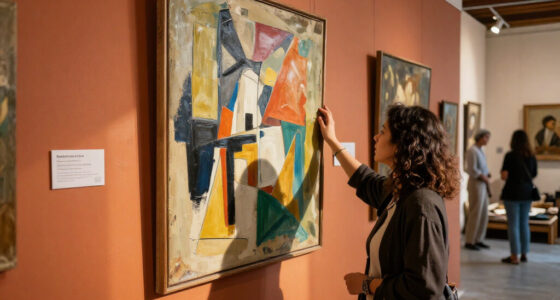
Jordan Poorman Cocker, Crystal Bridges Museum of American Art’s first full-time curator of Indigenous art, led a reinstallation of contemporary Native art that coincided with a two-day symposium on Indigenous artists and practice. In an interview with Hyperallergic, she described the project as an effort to recenter Indigenous art and craft, and said those works make up about 3% of the museum’s permanent collection.
The reinstallation was organized by Poorman Cocker and Ashley Holland, a citizen of the Cherokee Nation. According to the report, it presents a range of styles and media by living Native artists, including artists from the Tribes whose ancestral homelands include Arkansas. The symposium took place on October 16 and 17 at the Bentonville, Arkansas, museum.
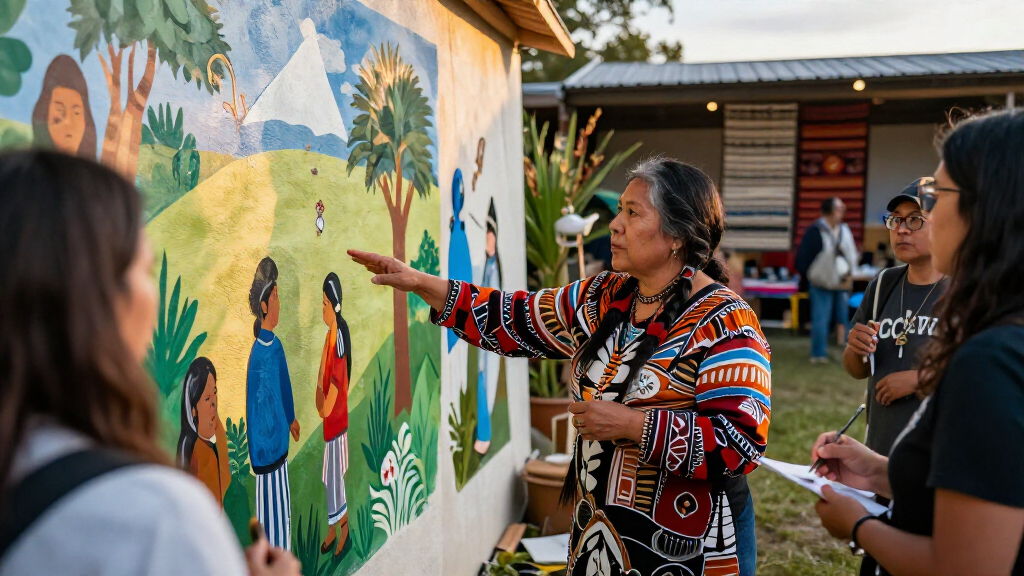
Its program included a keynote by Choctaw and Cherokee artist Jeffrey Gibson, a conversation between Diné weaver Melissa Cody and her mother, Lola Cody, and a workshop by Lehuauakea based on traditional kapa practice. Kiowa beadwork artist Terri Greeves also spoke alongside Kiowa Tribe members and matriarchs. The gathering brought artists, curators and scholars together as the museum presented the new installation.
Poorman Cocker joined Crystal Bridges in 2023 as its NAGPRA officer and first full-time Indigenous art curator. She is a citizen of the Kiowa and Tongan communities and is also a beadwork and textile artist. In correspondence with Hyperallergic, she said her curatorial approach draws on museum studies at Victoria University of Wellington in New Zealand and a vision of Indigenous connection that crosses colonial national borders.
The reported 3% share gives a measure of the gap Poorman Cocker says museums still need to address. Her argument is not limited to adding objects to display: she described institutions as having a role in supporting the people and knowledge systems that sustain artistic practice. That includes artist commissions, apprenticeships, community classes and art education.
This approach matters because the reinstallation presents living artists and varied forms of work, while the symposium created space for artists to discuss practice and lineage directly. The report documents the exhibition and program; it does not establish how much funding or long-term support will follow. The museum’s capacity to make a lasting difference will depend on its decisions beyond this event.
Popular right now

Samsung 75-Inch Class The Frame QLED 4K Art TV (LS03HE, 2026)

Breville BES870XL Barista Express Espresso Machine

Hisense 40-Inch Class QD4SR Series Hi-QLED FHD Smart Roku TV (2026 Model)
As an affiliate, we earn on qualifying purchases.
How the Museum Reframed Native Art
Crystal Bridges is located on the ancestral homelands of the Osage, Quapaw and Caddo Nations, whose people were forcibly relocated in the 19th century, according to the report. Poorman Cocker opened the symposium with a land acknowledgment. The museum was founded by Alice Walton, and its expansion has increased its physical space; the interview asked how that expansion might support continued collaboration with featured artists.
Poorman Cocker told Hyperallergic that the project sought to recenter both the Indigenous art collection and the craft collection. She described Native and Indigenous art as foundational to American art collections and said she has pursued acquisitions through gallery sources, annual markets and commissions. The report also notes that the 2019 exhibition Hearts of Our People: Native Women Artists at the Minneapolis Institute of Art was an important inspiration for her and for artists including Greeves.
“Indigenous and Native art makes up about 3% of Crystal Bridges’s permanent collection.”
— Jordan Poorman Cocker, in an interview with Hyperallergic
Long-Term Support Still Unspecified
The interview does not state when the reinstallation opened, how long it will remain on view or which works and artists are included beyond those named in the report. It also gives no budget, number of commissions, apprenticeship commitments or schedule for future programming. Cocker’s comments describe what the museum could support, but the material does not confirm specific new funding or ongoing programs.
The 3% figure is presented as an approximate share of the permanent collection; the interview does not provide a date for the calculation or a breakdown by medium, artist or acquisition history. The report also does not offer a response from museum leadership about planned changes to that share.
The Museum’s Next Commitments
The immediate development described is the reinstallation and the symposium that accompanied it. The source material does not identify a next exhibition date or a formal follow-up announcement. Future evaluation will depend on whether Crystal Bridges continues to acquire work by Native artists, commissions new pieces and provides the practical support Cocker outlined.
Any such steps remain to be confirmed in the available report. Readers seeking updates can look for announcements from Crystal Bridges about its collection, artist collaborations and education programs, as well as further reporting on the installation’s scope and duration.
Key Questions
Who is Jordan Poorman Cocker?
She is a Kiowa and Tongan citizen, beadwork and textile artist, and Crystal Bridges Museum of American Art’s first full-time curator of Indigenous art. She joined the museum in 2023 as its NAGPRA officer and curator.
What changed at Crystal Bridges?
Cocker and Ashley Holland organized a reinstallation of contemporary Native art, presenting work by living Native artists across different styles and media. It coincided with a two-day symposium on contemporary Native art.
What did Cocker say about Indigenous art in the collection?
She said Indigenous and Native art makes up about 3% of Crystal Bridges’s permanent collection. The interview does not give a date or detailed methodology for that estimate.
What support for artists did Cocker describe?
She pointed to commissions, artist apprenticeships, community classes and art education as ways museums could support artists and the communities that maintain artistic knowledge. The report does not confirm new funding for those efforts.
Source: hyperallergic.com