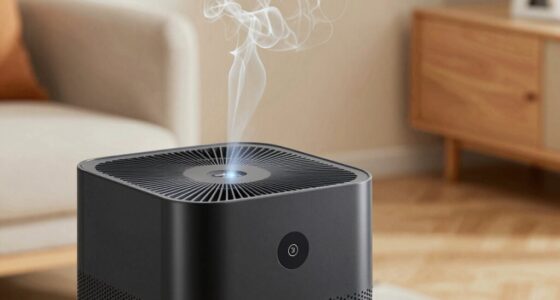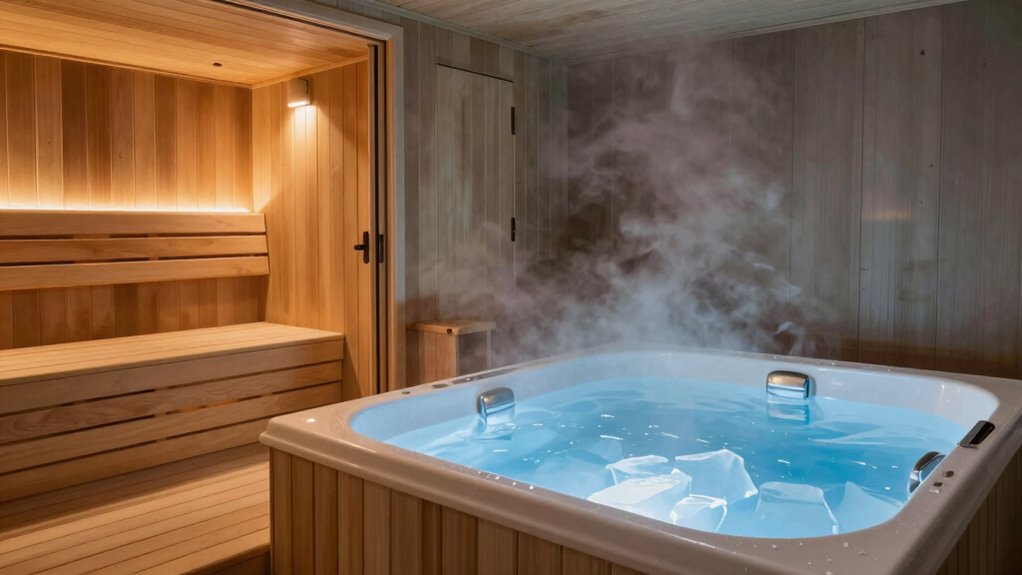
Contrast therapy at home combines relaxing sauna sessions with cold plunges to boost circulation, reduce soreness, and promote overall recovery. Start with a 10-15 minute sauna, then dip into cold water or an ice bath for 1-3 minutes, repeating the cycle 2-3 times. Always pay attention to safety and listen to your body. To learn how to set up your space and personalize your routine, keep exploring what makes this practice effective and enjoyable.

Get art and craft supplies delivered free — and shop member deals
- Fast, free delivery on millions of items
- Access to Prime Big Deal Days deals on October 6–7
- Prime Video, Amazon Music and more included
Key Takeaways
- Start with a 10-15 minute sauna session to relax muscles and boost circulation before transitioning to cold water.
- Cold plunge duration should be 1-3 minutes, keeping the head above water to prevent dizziness.
- Repeat the hot-cold cycle 2-3 times, resting a few minutes between each to optimize recovery and circulation.
- Adjust temperature, duration, and cycle count based on personal comfort and health considerations.
- Always stay hydrated, monitor body responses, and use timers to ensure safe and effective contrast therapy.
As an affiliate, we earn on qualifying purchases.
What Are the Benefits of Contrast Therapy at Home?
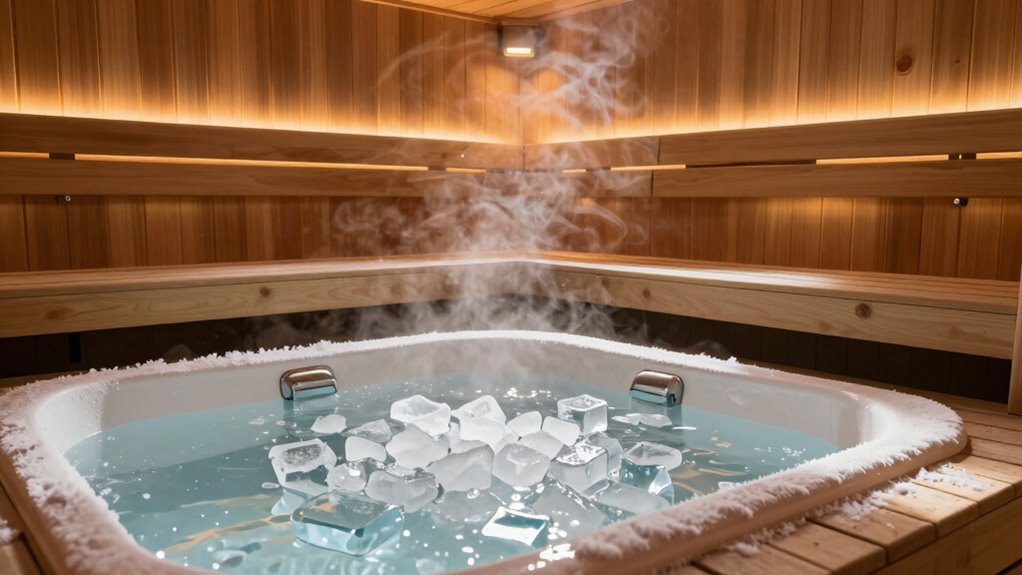
Contrast therapy at home offers several compelling benefits that can enhance your overall well-being. It’s an effective way to boost muscle recovery by reducing inflammation and soreness after workouts, helping you bounce back faster. The alternating hot and cold temperatures stimulate circulation, delivering oxygen and nutrients to tired muscles. Additionally, contrast therapy promotes mental relaxation, offering a calming break from daily stress. The soothing heat relaxes tight muscles and eases tension, while the cold plunges invigorate your mind, reducing anxiety. Regular sessions can improve sleep quality and elevate your mood. Engaging in contrast therapy can also support your efforts in stress management, helping you develop healthier coping strategies. Incorporating contrast therapy into your wellness routine can enhance both physical and mental resilience. Understanding the safety precautions for using hot and cold therapies ensures a safer experience at home. Proper protocols are essential to maximize benefits and prevent potential risks during contrast therapy. With the convenience of doing it at home, you can tailor routines to fit your schedule and preferences. Incorporating proper timing between hot and cold exposures can significantly increase the effectiveness of your sessions. Overall, contrast therapy supports physical recovery and mental clarity, making it a valuable addition to your wellness routine.
How to Choose the Best Sauna for Your Home Contrast Routine
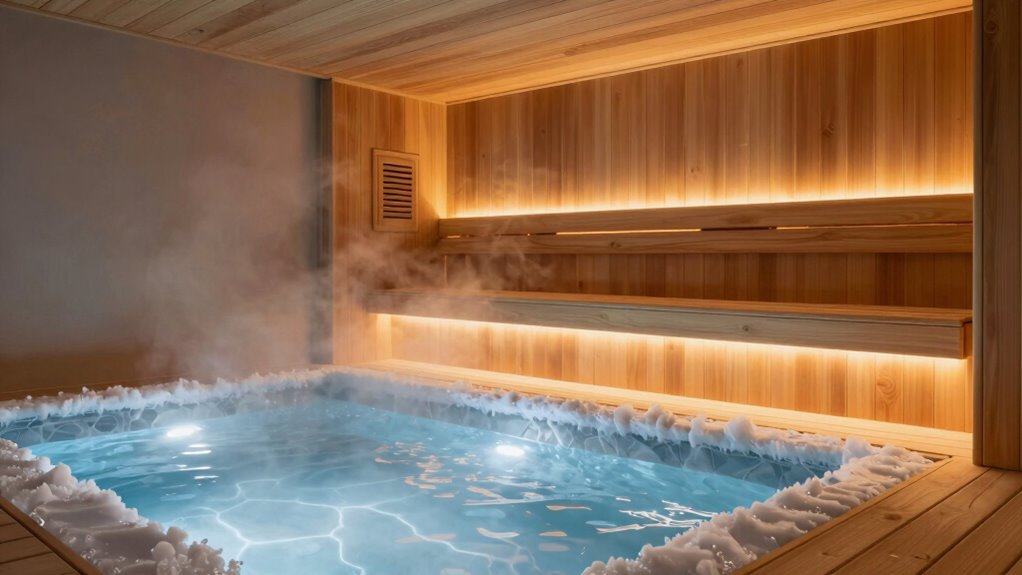
Choosing the right sauna for your home contrast routine depends on several factors. You’ll want to contemplate the types available, how much space you have, and your budget. Making the right choice guarantees you get the most benefits while fitting seamlessly into your lifestyle. Additionally, considering cycling skills and gear care tips can help you create a balanced wellness routine that complements your active lifestyle. Exploring eco-friendly craft ideas and sustainable materials can also enhance your overall wellness environment by promoting environmentally conscious choices. Incorporating advanced safety features into your selection process ensures a safer and more comfortable experience during your contrast therapy sessions. Understanding nail biology and hygiene can also support your overall health, especially when integrating wellness routines like sauna therapy that promote circulation and skin health. Moreover, paying attention to projector image quality factors can help you optimize your home environment for relaxation and visual comfort during your routine.
Types of Sauna Options
Selecting the right sauna for your home involves understanding the main types available and how they fit into your wellness routine. Infrared saunas use radiant heat to penetrate your skin directly, offering a gentler, quicker experience that’s easy to customize. They’re a popular choice for those with limited space or who prefer a lower temperature. Portable saunas provide flexibility—they’re compact, easy to set up, and don’t require permanent installation, making them ideal if you want a temporary or space-efficient solution. Traditional saunas, like Finnish models, use heated air and produce higher temperatures, which may suit those seeking a more intense experience. Consider your space, budget, and comfort preferences to choose the best option for your contrast therapy routine. Understanding sauna types can help you make an informed decision.
Space and Installation Needs
When adding a sauna to your home, evaluating your space and installation requirements helps guarantee you pick the right model. Proper space planning ensures your sauna fits comfortably without disrupting your home’s flow. Consider the size and clearance needed for safe use and maintenance. Installation requirements vary; some units need electrical wiring, ventilation, or specialized flooring. Measure your available area carefully and check the manufacturer’s guidelines. Keep in mind, a dedicated space improves safety and convenience, especially when integrating a cold plunge. Additionally, understanding cabling solutions can help ensure your sauna is properly connected and safe to operate.
Budget and Cost Factors
Budget considerations play a crucial role in finding the right sauna for your home contrast routine, as prices can vary widely based on size, features, and quality. To make an informed choice, conduct a thorough cost analysis that compares different models and their long-term expenses. This helps you identify options that fit your budget without sacrificing essential features. Effective budget planning involves setting a clear spending limit and prioritizing must-have features like insulation, control panels, and safety measures. Remember, cheaper saunas may save money upfront but could incur higher maintenance costs later. Balancing your budget with the quality and functionality needed for your contrast therapy routine ensures you choose a sauna that offers the best value and longevity.
Setting Up Your Cold Plunge or Ice Bath at Home
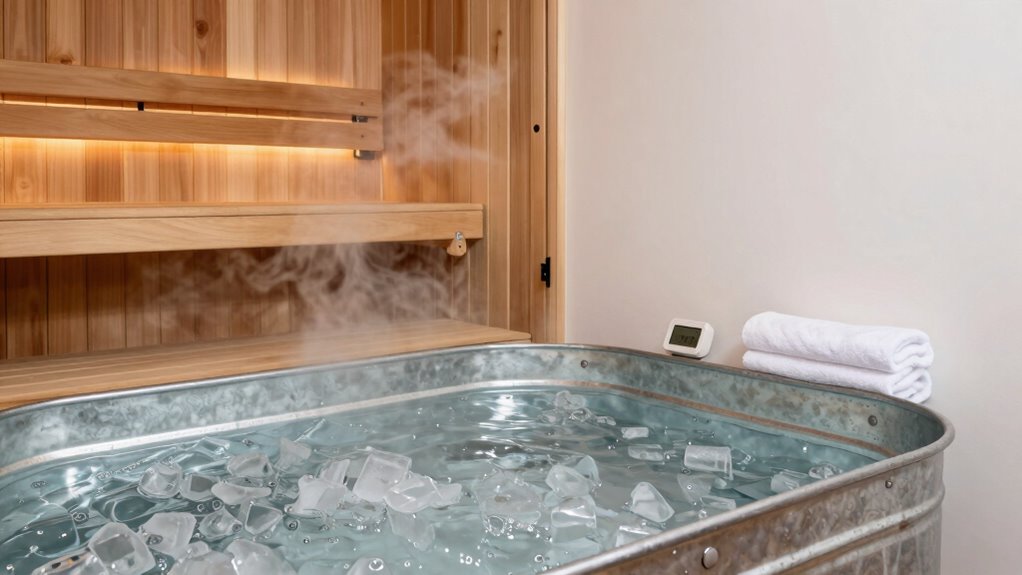
Setting up a cold plunge or ice bath at home is simpler than you might think. With a DIY setup, you can create an effective cold immersion space without breaking the bank. Start by choosing a sturdy container large enough to submerge your body comfortably. Use insulation tips like adding foam or reflective blankets around the tub to maintain low temperatures longer. For added efficiency, consider:
- Using a submersible pump or ice to regulate water temperature
- Placing the setup in a cool, shaded area to reduce heat gain
- Ensuring easy access and safe entry/exit points for convenience
These steps help you optimize your cold plunge, making it easier to incorporate into your routine. Proper insulation and thoughtful setup ensure your ice bath stays cold and effective, maximizing the benefits of contrast therapy. Incorporating thermal insulation techniques can significantly improve temperature retention and overall experience. Additionally, using synthetic lubricants in your maintenance routines can also help keep equipment running smoothly and prolong the lifespan of your setup. Leveraging advanced insulation materials can further enhance the efficiency of your cold plunge setup, ensuring consistent cold temperatures for better results. Employing proper water filtration systems can also improve water quality and reduce maintenance efforts over time.
How to Do Contrast Therapy: A Step-by-Step Routine
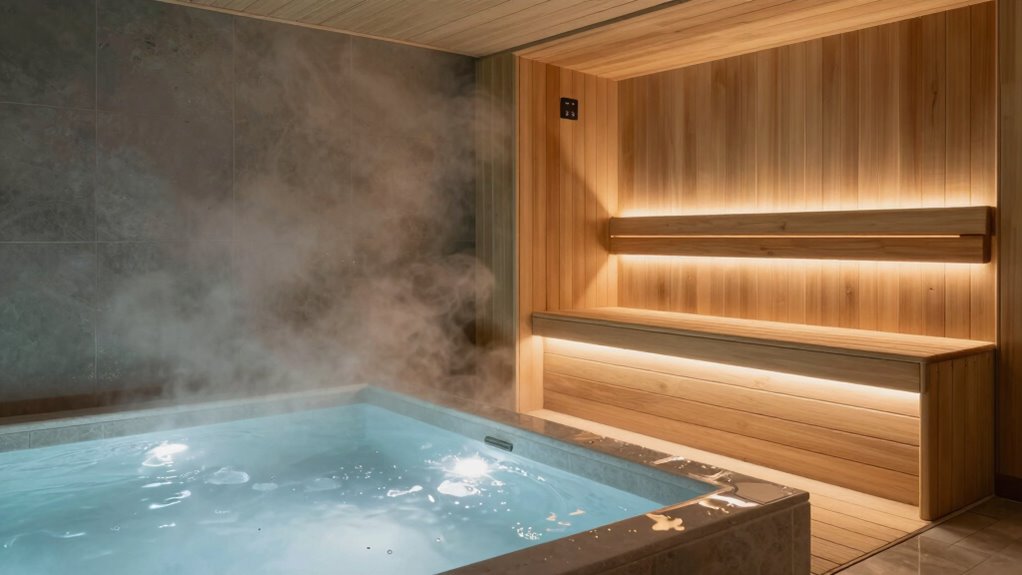
To get the most benefits from contrast therapy, you should follow a deliberate routine that alternates between hot and cold exposures. Start with a hydrotherapy technique like a sauna session lasting 10-15 minutes to relax muscles and promote circulation. Then, plunge into cold water or an ice bath for 1-3 minutes to stimulate blood flow and reduce inflammation. Incorporating [properly weatherproof tool storage] can help maintain your equipment’s safety and longevity after exposure to these temperature variations. Repeat this hot-cold cycle two to three times, ensuring you stay within your comfort zone. Between each round, rest for a few minutes to allow your body to recover. Incorporating body-based healing techniques into your routine can further enhance the recovery process by addressing underlying tension and promoting somatic awareness. This step-by-step routine enhances recovery strategies by boosting circulation, reducing soreness, and improving overall muscle function. Consistency is key, so incorporate contrast therapy into your regular recovery regimen for ideal results.
Tips for Safe and Comfortable Contrast Therapy Sessions
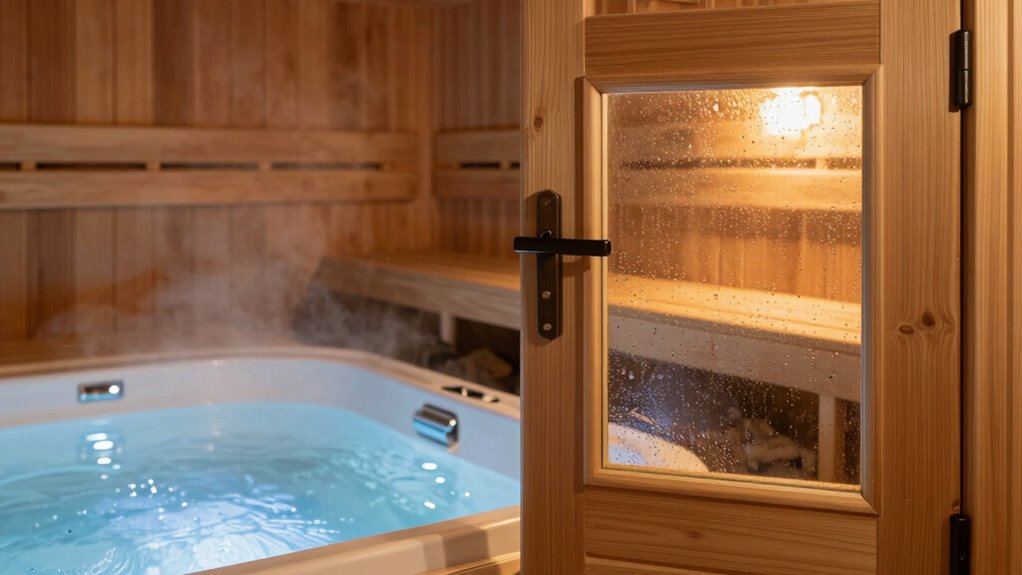
Ensuring safety and comfort during contrast therapy sessions is essential for maximizing benefits and preventing injury. To achieve this, follow key safety precautions and comfort tips. Always listen to your body—if you feel dizzy or uncomfortable, stop immediately. Gradually increase exposure times to avoid shock to your system. Stay hydrated before, during, and after sessions. Here are some tips to enhance safety and comfort:
- Use a timer to prevent overexposure in either the sauna or cold plunge
- Keep your head above water in the cold plunge to avoid dizziness
- Wear comfortable, breathable clothing and ensure the environment is free of hazards
- Be mindful of temperature regulation principles like temperature regulation to maintain a safe experience and avoid thermal stress. Additionally, understanding how regional flavors influence your preferences can help tailor your contrast therapy environment for enhanced relaxation and comfort. Incorporating thermal balance strategies can further optimize your response to temperature changes and promote overall well-being.
How to Personalize Your Contrast Therapy Protocols
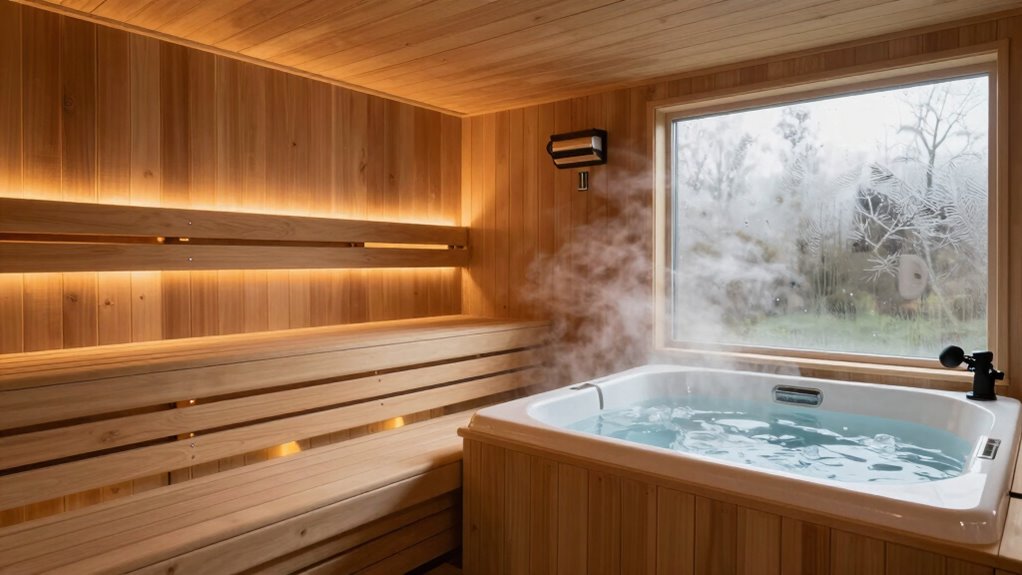
Personalizing your contrast therapy protocols allows you to tailor sessions to your specific needs and goals. To do this effectively, consider various personalization strategies, such as adjusting temperature ranges, session durations, and the number of cycles. Your individual health considerations play a essential role; for example, if you have cardiovascular issues or skin sensitivities, modify the intensity or length of exposure accordingly. Pay attention to how your body responds during and after each session, and make note of what feels best for you. Experiment gradually to find the most suitable balance that enhances recovery, relaxation, and overall well-being. Remember, personalization isn’t about following a strict rulebook—it’s about customizing your protocol to suit your unique health profile and comfort level.
Troubleshooting Common Challenges When Starting Contrast Therapy
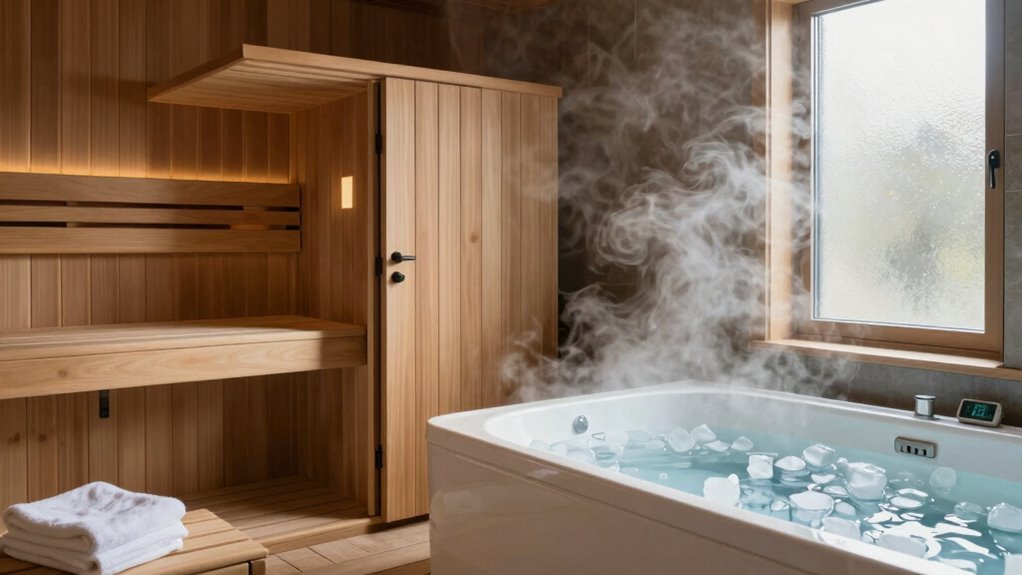
Starting contrast therapy can sometimes feel challenging as your body adjusts to the temperature shifts and new routine. Common issues include discomfort, improper equipment maintenance, or difficulty managing session duration. To overcome these challenges:
- Make certain your sauna and cold plunge are well-maintained to prevent temperature inconsistencies.
- Start with shorter sessions and gradually increase duration to build tolerance.
- Listen to your body and don’t push through pain or dizziness, adjusting timing as needed.
Incorporating Contrast Therapy Into Your Regular Self-Care Routine
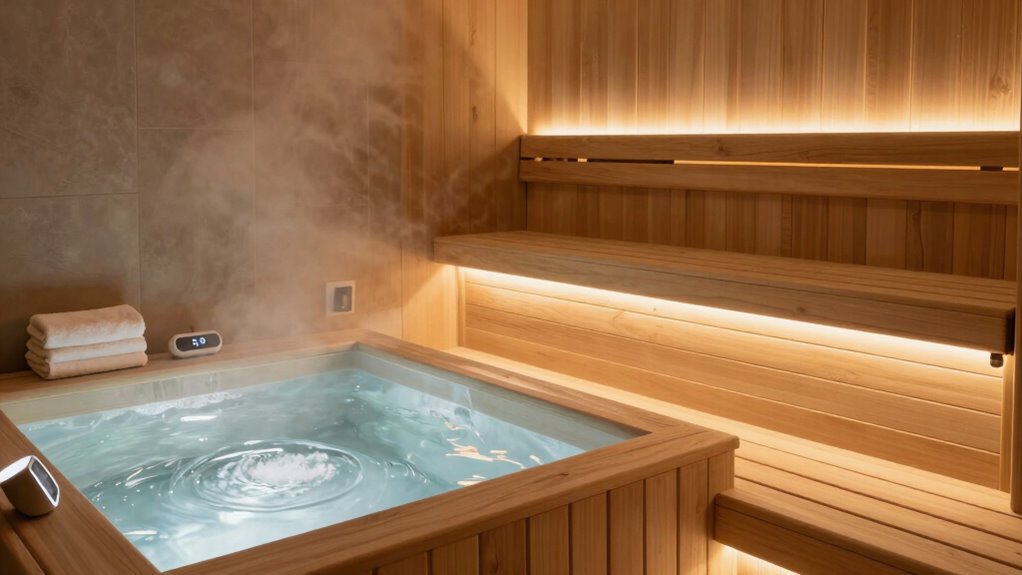
Integrating contrast therapy into your regular self-care routine can enhance overall wellness and provide consistent relief from stress and muscle tension. To do this effectively, set up a dedicated home spa area with essential hydrotherapy accessories like a portable sauna, cold plunge tub, or even a simple shower setup. Consistency is key—schedule sessions a few times a week to build a habit. Start with warm sessions followed by cold plunges, gradually increasing duration as your body adapts. Keep your routine simple and enjoyable, making contrast therapy a relaxing part of your self-care. Over time, you’ll notice improved circulation, reduced soreness, and a greater sense of calm. Incorporating these practices into your routine turns your home spa into a powerful tool for health and relaxation.
Frequently Asked Questions
Can Contrast Therapy Help With Specific Medical Conditions?
Contrast therapy can offer medical benefits like improved circulation and reduced muscle soreness, which might help with conditions such as arthritis or chronic pain. However, you should consider safety considerations, especially if you have cardiovascular issues or skin sensitivities. Always consult your healthcare provider before starting contrast therapy. Proper protocols and listening to your body are key to safely experiencing its potential benefits.
How Often Should I Perform Contrast Therapy Sessions Weekly?
You should aim for contrast therapy sessions about 2 to 3 times a week, following general frequency guidelines. Keep each session around 15 to 20 minutes, alternating between the sauna and cold plunge. Listen to your body and adjust the duration or frequency if needed. Consistency is key, but don’t overdo it—allow your body time to recover between sessions for ideal benefits.
Are There Any Age Restrictions for At-Home Contrast Therapy?
Imagine a gentle breeze cooling your skin after a warm day; this mirrors age limitations and safety considerations for contrast therapy. Generally, it’s safe for most adults, but older individuals or those with health issues should consult a doctor first. Children and teenagers usually need specialized guidance. Always prioritize safety, listen to your body, and adapt protocols to your age and health to enjoy the benefits without risks.
What Are the Signs of Overdoing Contrast Therapy?
You’ll know you’re overdoing contrast therapy if you experience dizziness, nausea, excessive fatigue, or persistent headache. These are signs of overdoing contrast therapy, so stop immediately. Remember, hydration importance cannot be overstated—drink plenty of water before, during, and after sessions to prevent dehydration. Listening to your body is key; if you feel uncomfortable or unwell, ease off and give yourself time to recover.
Do I Need Professional Supervision for Home Contrast Therapy?
You don’t necessarily need professional supervision for home contrast therapy, but it’s essential to follow safety precautions closely. Stay aware of your body’s signals and avoid overdoing it. If you have health conditions or are new to contrast therapy, consulting a healthcare professional is recommended to ensure safety. Supervision requirements depend on your experience and health, so prioritize caution and listen to your body to prevent any adverse effects.
Conclusion
Contrast therapy can boost recovery, reduce stress, and improve your overall well-being. Did you know that athletes who incorporate contrast therapy report a 20% faster recovery time? By creating a routine at home, you take control of your health and enhance your resilience. With the right setup and safety measures, you can enjoy the many benefits of sauna and cold plunge protocols anytime. Start today and experience the transformative power of contrast therapy for yourself.
Fall Picks
fall essentials
As an affiliate, we earn on qualifying purchases.