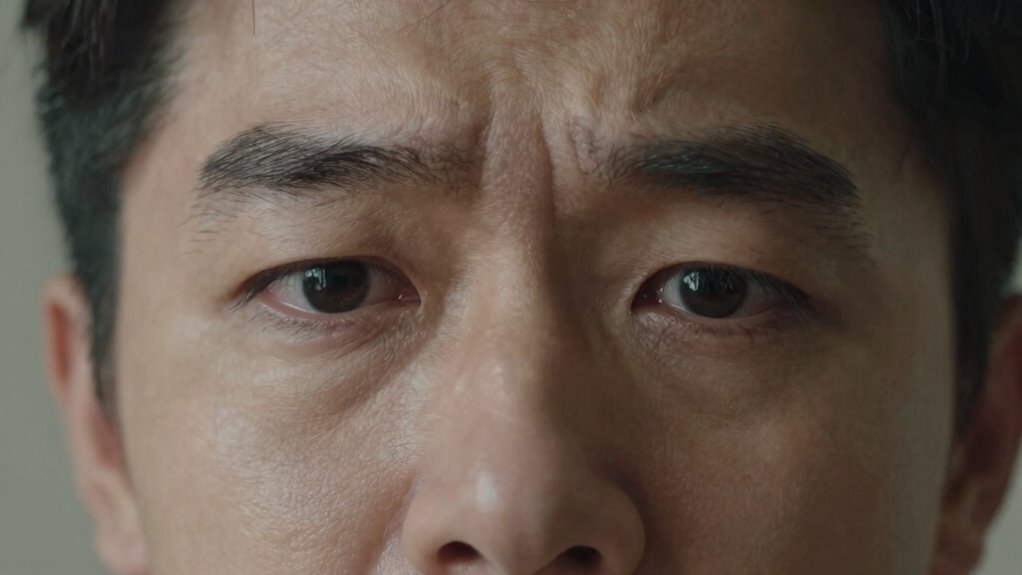

Stress quietly disrupts your body by activating the hormone response, raising cortisol and adrenaline levels that can throw off your hormonal balance over time. This ongoing imbalance suppresses your immune system, making you more prone to illnesses and slowing recovery. It also affects your mood and sleep, gradually weakening your overall health. If you keep going, you’ll discover how these silent effects can gradually undermine your well-being and what you can do about it.

Get art and craft supplies delivered free with Prime
- Fast, free delivery on millions of items
- Prime Video, Amazon Music and more included
- Member-only deals all year
Key Takeaways
- Chronic stress maintains elevated cortisol and adrenaline levels, disrupting hormonal balance and normal bodily functions.
- Prolonged stress suppresses immune responses, increasing vulnerability to infections and slowing recovery.
- Stress-induced hormonal fluctuations impair sleep, mood, and mental health, creating a cycle of anxiety and depression.
- Hormonal imbalance from stress alters metabolism, leading to weight gain and metabolic health issues.
- Over time, stress weakens physical resilience, raising the risk of chronic diseases and long-term health problems.
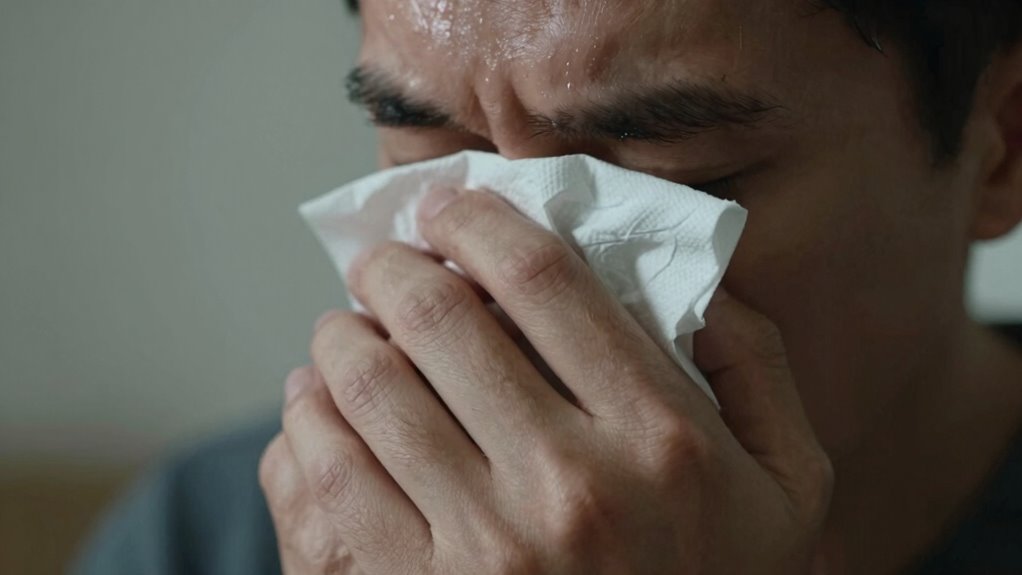
Stress may seem like a temporary feeling, but it can quickly disrupt your body’s delicate balance. When you’re overwhelmed or anxious, your body’s stress response kicks in, releasing hormones like cortisol and adrenaline. While these hormones are helpful in short bursts, chronic stress causes them to stay elevated, leading to a hormonal imbalance. This imbalance can interfere with your body’s normal functions, affecting everything from sleep to mood. Over time, persistent hormonal fluctuations can make it harder for your body to regulate itself, leaving you vulnerable to a host of health issues.
Chronic stress disrupts hormonal balance, affecting sleep, mood, and overall health over time.
One of the less obvious effects of ongoing stress is immune suppression. When your body perceives constant stress, it diverts resources away from your immune system to prioritize immediate survival. This means fewer immune cells are produced, and your ability to fight off infections decreases. You might find yourself catching colds more often or taking longer to recover from illnesses. Immune suppression doesn’t just make you more susceptible to common bugs; it can also weaken your body’s defenses against more serious health threats, including autoimmune disorders and chronic diseases.
Stress doesn’t just impact one aspect of your health; it sets off a cascade of effects that intertwine and amplify each other. For example, hormonal imbalance caused by stress can influence your mental health, leading to feelings of anxiety and depression, which only perpetuate the cycle. Meanwhile, immune suppression leaves you physically vulnerable, making it harder to bounce back from setbacks. These interconnected effects highlight how stress quietly undermines your body’s resilience, often without you realizing it. Additionally, hormonal imbalance can alter your metabolism, further complicating your health. Chronic stress can also lead to unhealthy lifestyle habits that exacerbate these issues over time.
As an affiliate, we earn on qualifying purchases.
Frequently Asked Questions
Can Stress Affect Sleep Quality Without Feeling Stressed?
Yes, stress can affect your sleep quality even if you don’t feel stressed. It causes subtle hormonal changes and triggers sleep disturbances that you might not notice. These hormonal shifts can interfere with your ability to fall asleep or stay asleep, leading to fatigue and reduced rest. Over time, this quiet disruption impacts your overall health, making it important to address stress levels even when you don’t feel overwhelmed.
How Does Chronic Stress Impact Gut Health?
Chronic stress acts like a storm raging inside your gut, disturbing the harmony of gut bacteria and fueling digestive inflammation. You might notice bloating, discomfort, or irregularity as your body’s defenses weaken. This ongoing chaos hampers nutrient absorption and opens the door to infections. When stress persists, your gut’s delicate balance suffers, making you more vulnerable to digestive issues and long-term health problems.
Is Stress Linked to Autoimmune Diseases?
Yes, stress is linked to autoimmune diseases. It can act as an autoimmune trigger, especially if you have a genetic predisposition. When you’re stressed, your immune system may malfunction, causing it to attack your own tissues. Chronic stress keeps your immune response heightened, increasing the risk of triggering autoimmune conditions. Managing stress through relaxation techniques and healthy habits can help reduce this risk and support overall immune health.
Can Stress Cause Hair Loss?
Imagine stress as a silent storm brewing inside your mind. It can trigger hair thinning and scalp inflammation, much like a storm eroding a shoreline. When stress levels spike, your body diverts energy away from hair growth, causing strands to weaken and fall. Over time, this relentless pressure can lead to noticeable hair loss, making your scalp more vulnerable and your hair less resilient, like a landscape worn by unseen forces.
What Are Subtle Signs of Stress in Children?
You might notice subtle signs of stress in children through behavior changes like increased irritability, difficulty focusing, or withdrawal from activities they usually enjoy. Emotional withdrawal is another sign, where your child avoids social interactions or shows less enthusiasm. These signs often appear gradually, so paying close attention to these changes helps you recognize stress early, allowing you to provide support and seek help if needed.
Conclusion
As you navigate life’s storm, remember that stress is a shadow lurking behind every corner, quietly unraveling the threads of your well-being. Like a silent tide, it erodes your strength and serenity, often unnoticed until the storm leaves scars. But just as dawn follows night, awareness can be your lighthouse, guiding you through the darkness. Embrace calm as a steady anchor, and let resilience be the bright star that restores balance amidst life’s turbulent seas.
Halloween Picks
halloween
As an affiliate, we earn on qualifying purchases.