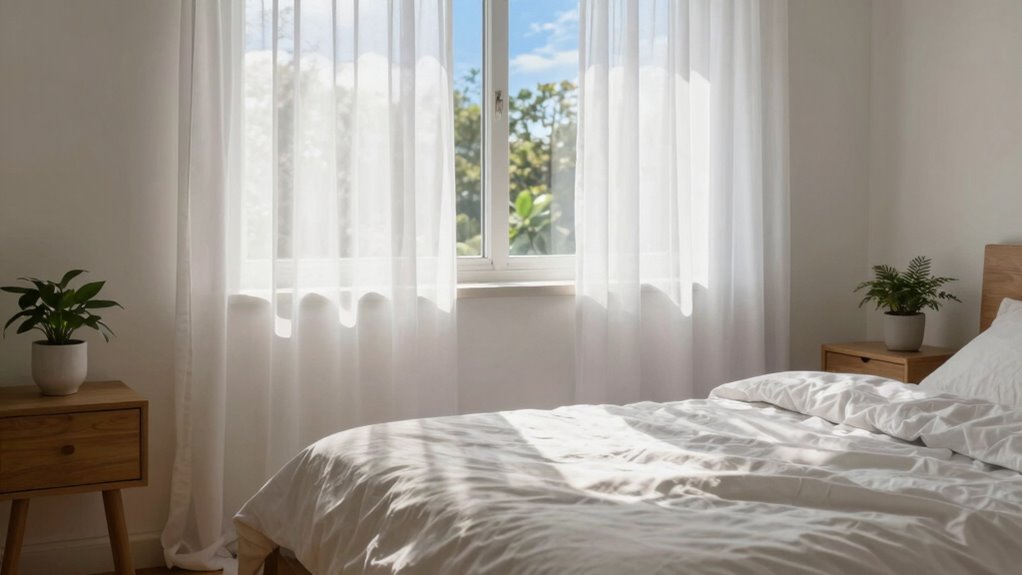

Getting enough natural light during the day helps regulate your internal clock, making it easier to fall asleep and wake refreshed. Sunlight signals your brain to align your circadian rhythm, boosting melatonin production at night for better sleep quality. Too much artificial or screen light, especially blue light, can disrupt this process. If you keep exposure consistent and limit screen time before bed, you’ll support healthier sleep patterns—and there’s more to discover about optimizing your circadian health.

Get art and craft supplies delivered free with Prime
- Fast, free delivery on millions of items
- Prime Video, Amazon Music and more included
- Member-only deals all year
Key Takeaways
- Natural light during the day helps regulate the circadian rhythm, promoting better sleep-wake cycles.
- Exposure to morning sunlight suppresses melatonin until bedtime, supporting alertness and sleep quality.
- Limiting artificial blue light in the evening allows melatonin to increase, easing sleep onset.
- Regular outdoor light exposure strengthens the internal clock, leading to more consistent sleep patterns.
- Proper light management enhances overall sleep quality and promotes better mental and physical well-being.
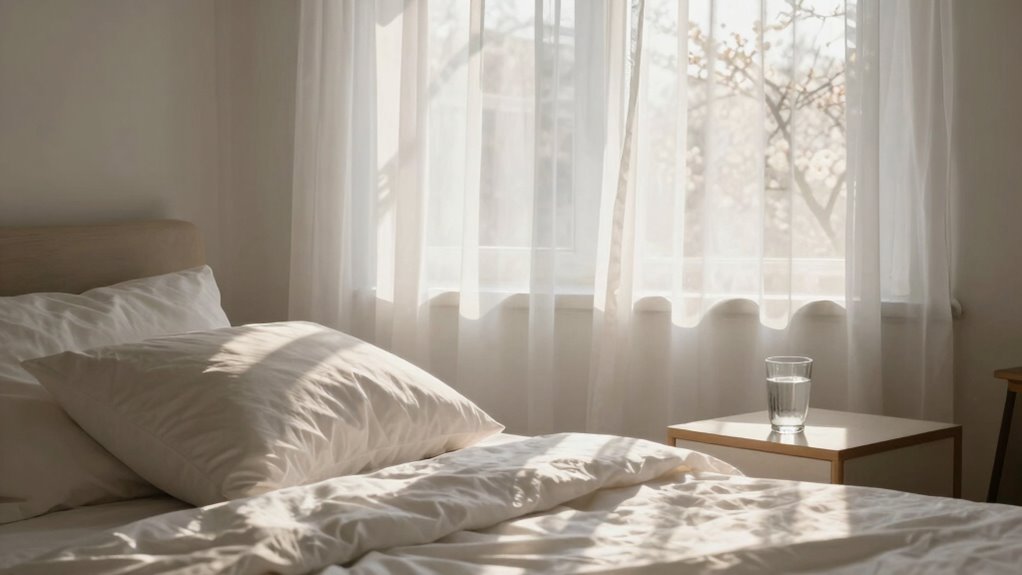
Exposure to natural light during the day plays a vital role in regulating your sleep-wake cycle, helping you fall asleep more easily and wake up feeling refreshed. When you get sunlight during daylight hours, it signals your brain to keep your circadian rhythm aligned with the natural day-night cycle. Your circadian rhythm is like an internal clock that governs your sleep patterns, alertness, and hormone production, especially melatonin. Melatonin is a hormone that promotes sleep, and its production is heavily influenced by light exposure.
Natural light during the day helps regulate your sleep cycle and boost melatonin production for restful sleep.
During the day, natural light suppresses melatonin production, keeping you alert and awake. As the sun sets, reduced light signals your brain to increase melatonin levels, helping you feel sleepy. When your exposure to light is inconsistent or insufficient, your circadian rhythm can become disrupted, leading to difficulty falling asleep, poor sleep quality, or waking up feeling unrested. That’s why spending time outdoors in the morning or early afternoon is so beneficial—your body receives the cues it needs to synchronize your internal clock with the external environment. Engaging with natural light cues is essential for maintaining a healthy sleep cycle.
Artificial light, especially from screens, can interfere with this natural process. Bright screens emit blue light, which can trick your brain into thinking it’s still daytime, suppressing melatonin production when you should be winding down. This delay in melatonin release makes it harder to fall asleep at night, creating a cycle of restless nights and groggy mornings. To optimize your sleep, it’s best to limit screen time in the hours before bed and instead opt for relaxing activities that don’t involve bright light. Incorporating light management strategies can significantly improve your sleep quality. Additionally, minimizing exposure to artificial light pollution can further support your circadian health.
Consistent exposure to natural light during the day helps reinforce your circadian rhythm, making it easier for your body to anticipate sleep time and wakefulness. It also enhances the quality of your sleep by ensuring melatonin production occurs at the right times. If you find yourself indoors most of the day, try to carve out time for outdoor walks or sit near windows to soak up natural light. Even brief periods of sunlight can have a positive impact on your internal clock. Additionally, biodiversity in your environment can influence your overall well-being and sleep patterns by promoting natural surroundings and reducing artificial light pollution. Recognizing the importance of natural light exposure can lead to healthier sleep habits and overall well-being.
blue light blocking glasses for sleep
As an affiliate, we earn on qualifying purchases.
As an affiliate, we earn on qualifying purchases.
Frequently Asked Questions
Can Artificial Light Impact Sleep Similarly to Natural Sunlight?
Yes, artificial light can impact your sleep similarly to natural sunlight. Exposure to artificial light, especially blue light from screens, can cause circadian disruption by signaling your brain that it’s daytime. This suppresses melatonin production, making it harder for you to fall asleep and stay asleep. To improve your sleep, limit screen time before bed and use dim, warmer lighting in the evening to reduce circadian disruption.
What Types of Light Are Best or Worst for Sleep Quality?
You should prioritize dim, warm-colored lights in the evening to improve sleep quality, as they support good sleep hygiene. Bright, blue-rich lights, like those from screens, can disrupt your sleep by interfering with melatonin production. Light therapy in the morning can help regulate your circadian rhythm, but avoid bright lights before bed. By managing your light exposure, you can enhance your sleep naturally and improve overall sleep quality.
How Much Light Exposure Is Optimal for Improving Sleep?
To hit the sweet spot, aim for about 30 to 60 minutes of natural light exposure in the morning. This helps reset your circadian rhythms and boosts melatonin regulation, making it easier to fall asleep at night. Don’t underestimate the power of daylight—it’s your best bet for syncing your internal clock. Consistent morning light exposure acts like a reset button, improving your sleep quality over time.
Does Light Exposure Affect Sleep Differently Across Age Groups?
Yes, light exposure affects sleep differently across age groups. As you age, your aging circadian rhythms can become less sensitive to light, impacting melatonin regulation. Younger individuals generally respond better to morning light, which helps reset their internal clocks, while older adults might need more consistent exposure to bright light to maintain healthy melatonin levels. Adjusting light habits based on age can optimize your sleep quality.
Are There Specific Times of Day When Light Exposure Is Most Beneficial?
You benefit most from light exposure in the morning, especially sunlight, which helps regulate your internal clock and improves sleep quality. Aim for morning sunlight to boost alertness during the day. In contrast, evening darkness signals your body to wind down, preparing you for restful sleep. Avoid bright screens at night, and seek natural light during the day to optimize your sleep cycle and overall health.
Conclusion
So, ironically, the very thing that keeps us awake—light—can also help us sleep better. By simply soaking up natural sunlight during the day, you set your internal clock straight. Instead of fighting your body’s rhythms, embrace the glow and let it guide you to restful nights. Who knew that the secret to better sleep is just a little more daylight? Turns out, staying in the dark might actually keep you awake.
Halloween Picks
halloween
As an affiliate, we earn on qualifying purchases.