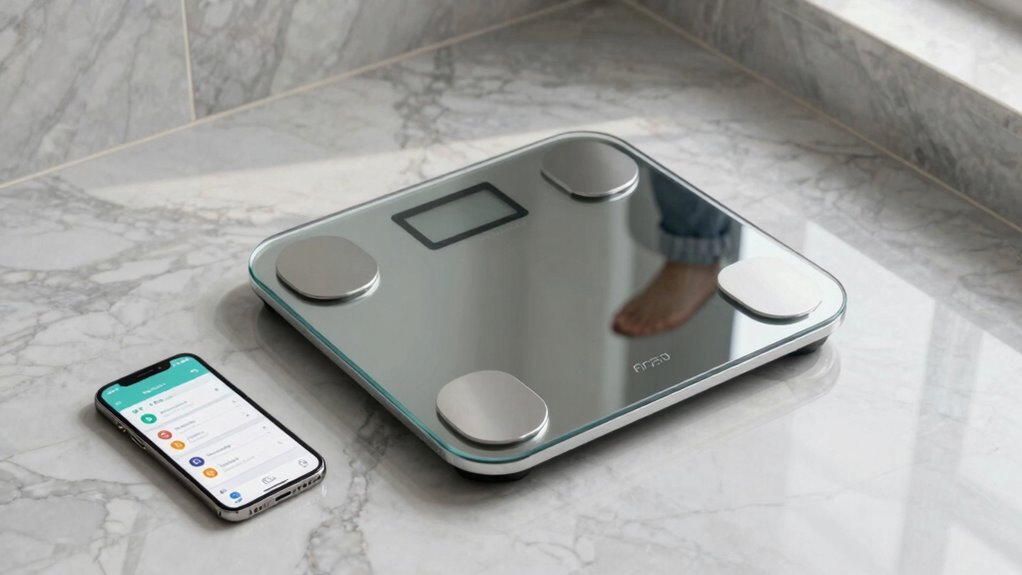

Using body composition scales too often can cause confusion and unnecessary stress because their results are influenced by hydration levels and daily fluctuations. You might see misleading muscle mass or fat percentage readings after workouts or when dehydrated, which don’t reflect true progress. Focusing too much on daily numbers can distract you from meaningful changes over time and harm your motivation. Keep in mind, understanding how to use these tools wisely can help you stay on track—if you keep exploring, you’ll learn more.

Get art and craft supplies delivered free with Prime
- Fast, free delivery on millions of items
- Prime Video, Amazon Music and more included
- Member-only deals all year
Key Takeaways
- Frequent measurements can amplify natural fluctuations, leading to unnecessary stress and misinterpretation of progress.
- Over-measuring shifts focus from overall health to daily number changes, which may be misleading.
- Hydration levels heavily influence scale readings, making daily results unreliable without proper context.
- Relying solely on body composition numbers can distort understanding; trend analysis over time is more accurate.
- Maintaining a balanced perspective helps prevent obsession and promotes sustainable health and fitness habits.
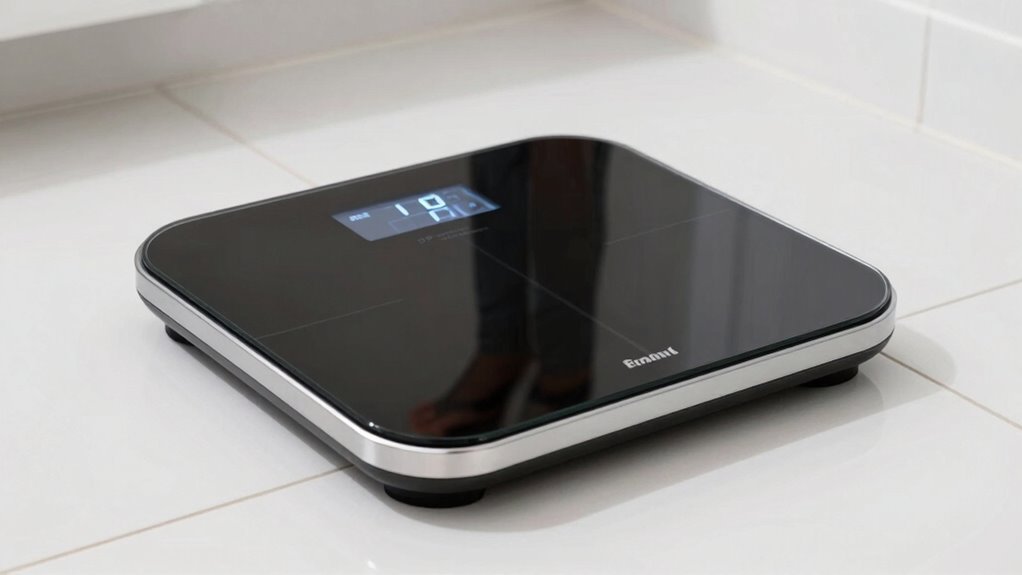
Body composition scales are a valuable tool for anyone looking to gain a deeper understanding of their health and fitness. They offer insights into your muscle mass, hydration levels, body fat percentage, and more, helping you tailor your workouts and nutrition plans. However, while these scales can be useful, over-measuring or relying too heavily on their data can lead to confusion and frustration. It’s easy to get caught up in daily fluctuations and forget that these readings are just one piece of the bigger picture.
One common problem is that body composition scales often fluctuate due to changes in hydration levels. If you’re dehydrated, your muscle mass readings might appear lower, while overhydration can give a false impression of higher muscle or body water content. These swings are normal and don’t necessarily reflect actual changes in your body. Over-measuring, or weighing yourself multiple times a day, amplifies these small variances and can lead to unnecessary stress or misguided efforts. You might see your numbers jump from day to day and think your progress has stalled or reversed, but in reality, it’s just natural variability. Recognizing how hydration levels impact readings can help you interpret results more accurately.
Daily fluctuations in hydration can cause misleading changes in body composition scale readings.
Another issue with over-measuring is that muscle mass readings can be misleading if you don’t interpret them correctly. Scales estimate muscle mass based on electrical signals passing through your body, which can be affected by hydration, recent exercise, and even skin temperature. If you’ve just finished a workout or haven’t hydrated properly, your muscle mass reading might be artificially low. Conversely, if you’re well-hydrated, it could appear higher, giving you a false sense of progress. Relying on these measurements without considering other factors or tracking over longer periods can distort your understanding of your actual muscle development. Additionally, understanding how body composition varies naturally can help set more realistic expectations and avoid unnecessary frustration.
Furthermore, obsessively measuring your body composition can cause you to focus too much on numbers rather than overall health and progress. Instead of looking at trends over weeks or months, you might become preoccupied with daily changes, leading to anxiety or discouragement. It’s important to remember that body composition scales are best used as part of a broader assessment — including how you feel, your strength, endurance, and how your clothes fit. Additionally, recognizing the importance of biodiversity in health emphasizes that individual data points are only part of a complex, interconnected system. Being aware of the measurement variability inherent in these devices can help you maintain a balanced perspective and avoid unnecessary stress.
In the end, over-measuring with body composition scales can do more harm than good. They’re a helpful tool, but only when used wisely and in context. Focus on steady progress, listen to your body, and don’t let daily fluctuations dictate your confidence or motivation. The true measure of health isn’t just a number on a scale but how you feel and how your body functions over time.
body composition scale with hydration tracking
As an affiliate, we earn on qualifying purchases.
As an affiliate, we earn on qualifying purchases.
Frequently Asked Questions
Do Body Composition Scales Measure Muscle and Fat Accurately?
Body composition scales can give you a general idea of muscle and fat levels, but their accuracy depends on electrode calibration and algorithm accuracy. If the electrodes aren’t calibrated properly, measurements might be off. Additionally, the algorithms used to interpret your data vary in precision. So, while these scales are useful for tracking trends, don’t rely solely on them for precise assessments of muscle and fat.
How Often Should I Use a Body Composition Scale?
Like a trusty old compass, you should use your body composition scale at consistent intervals—about once a week—to guarantee measurement consistency. Avoid over-measuring, which can lead to confusion. Make sure the scale is properly calibrated before each use for accurate results. This routine helps track your progress without obsessing over daily fluctuations, giving you a clear view of your muscle and fat changes over time.
Can Hydration Levels Affect Scale Readings?
Hydration levels can substantially affect your scale readings because hydration fluctuations cause scale variability. When you’re well-hydrated, your body holds more water, which can lead to higher readings. Conversely, dehydration can make your weight appear lower. To get consistent results, try weighing yourself at the same time daily, preferably in the morning, and maintain steady hydration levels. This helps reduce scale variability caused by hydration differences.
Are Body Composition Scales Suitable for All Ages?
Body composition scales aren’t suitable for all ages due to age-specific accuracy concerns. They work well for adults but aren’t reliable for pediatric monitoring because children’s body proportions change rapidly. You shouldn’t use them for young kids without professional guidance, as inaccurate readings can lead to misconceptions about health. For children, consult a healthcare provider for proper assessments, ensuring safe and accurate health monitoring tailored to their developmental stage.
What Are the Limitations of Body Composition Measurements?
Think of body composition measurements as a GPS with some static—your results can be thrown off by calibration challenges and technology limitations. You might find inconsistent readings due to hydration levels, time of day, or device accuracy. These scales often struggle to account for individual differences, making it hard to get a precise picture. So, don’t rely solely on these measurements; they’re a helpful guide but not the final word.
Conclusion
As you step onto the scale, remember it’s just one small part of your story—like a single brushstroke on a vibrant canvas. Over-measuring can turn that colorful masterpiece into a confusing jumble. Instead, focus on how you feel, how your clothes fit, and the progress you see in the mirror. Your body’s journey isn’t just numbers; it’s a living, breathing artwork, full of growth and change that no scale can fully capture.
Halloween Picks
halloween
As an affiliate, we earn on qualifying purchases.