The moon became a symbol of your inner life because its changing phases mirror your emotional shifts and personal growth. Throughout history, many cultures associate the moon with mystery, intuition, and subconscious processes, viewing it as a divine guide through darkness. Its cycles reflect beginnings, growth, release, and renewal, helping you connect with your inner world. Exploring this symbolism can deepen your self-awareness, and if you stay curious, you’ll discover even more connections between the moon and your inner journey.

Get art and craft supplies delivered free with Prime
- Fast, free delivery on millions of items
- Prime Video, Amazon Music and more included
- Member-only deals all year
Key Takeaways
- The moon’s cycles mirror human emotional and psychological changes, symbolizing inner reflection and transformation.
- Ancient mythologies associate the moon with intuition, subconsciousness, and hidden aspects of the self.
- Cultural traditions view lunar phases as guides for personal growth and emotional insight.
- The moon’s symbolism of renewal and release aligns with psychological processes of inner renewal.
- Scientific understanding of lunar influence emphasizes its subtle impact on biological rhythms and emotional states.
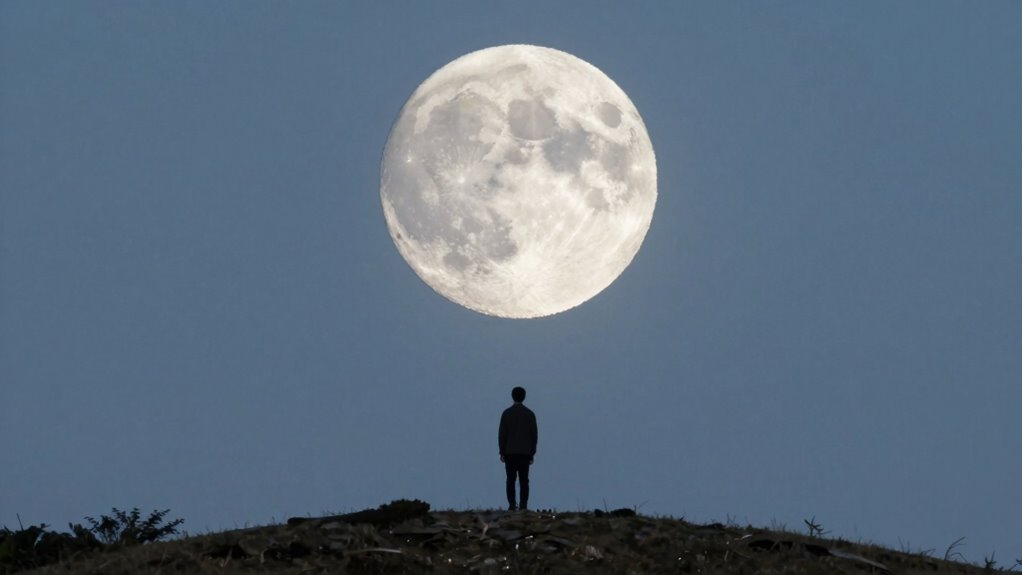
Throughout history, the moon has long been associated with mystery and introspection, but its symbolic connection to inner life deepened as people sought to understand their own depths. Lunar symbolism in mythology reveals a recurring theme: the moon as a mirror of human emotions and subconscious processes. Many cultures see it as a divine force that governs not only the night sky but also the cycles of life, death, and renewal within the human psyche. For example, in Greek mythology, Selene embodies the moon’s gentle yet powerful influence, symbolizing intuition and the hidden aspects of the self. Similarly, in Native American traditions, the moon is often linked to storytelling and spiritual guidance, acting as a celestial guide through the darkness that represents ignorance or confusion. Recognizing the influence of cultural symbolism can deepen your understanding of how the moon’s significance varies across different traditions. You might notice how the lunar phases themselves carry profound psychological significance. The new moon, for instance, embodies beginnings and a time for planting intentions—an invitation to reflect inward and set personal goals. As the moon waxes, growing toward fullness, it symbolizes growth, development, and the accumulation of energy toward self-improvement. The full moon, with its luminous brightness, often signifies clarity, heightened awareness, and the culmination of internal work. Conversely, the waning moon encourages release and letting go of what no longer serves your inner growth. These phases aren’t just natural phenomena; they act as a mirror for your emotional states and mental shifts. When you pay attention to the moon’s cycle, you align yourself with these natural rhythms that mirror your inner world, helping you navigate feelings of doubt, hope, or transformation more consciously. Recognizing the psychological significance of lunar phases can deepen your understanding of your emotional patterns and mental states. Additionally, understanding the cyclical nature of the moon can enhance your ability to adapt to life’s changes with greater resilience. Exploring the scientific basis of lunar influences can also provide insights into how celestial forces may subtly impact human behavior and biological rhythms. Incorporating lunar phases into your self-reflection practices provides a natural framework for understanding your emotional patterns, reinforcing the idea that your inner world is interconnected with celestial rhythms. This connection between lunar symbolism and your inner life isn’t accidental. It’s rooted in the idea that the moon’s ever-changing phases reflect your own cycles of change, reflection, and renewal. When you observe the moon’s phases, you’re reminded that personal growth isn’t linear—it ebbs and flows, much like the lunar cycle. The psychological significance of lunar phases becomes a tool for introspection, encouraging you to honor your emotional rhythms and embrace periods of darkness as essential for renewal. By understanding the moon’s symbolism in mythology and recognizing the importance of its phases, you gain a deeper appreciation for how celestial cycles influence your inner landscape. The moon, in this sense, becomes a guiding light—a symbol of your ongoing journey inward, illuminating the depths of your subconscious and inspiring growth, healing, and self-awareness.
moon phase journal for self-reflection
As an affiliate, we earn on qualifying purchases.
As an affiliate, we earn on qualifying purchases.
Frequently Asked Questions
How Do Different Cultures Interpret the Moon’s Symbolism?
You see that different cultures interpret the moon’s symbolism uniquely, often linking it to mythical creatures and celestial myths. In Chinese culture, the moon represents reunion and immortality, inspiring legends like the Jade Rabbit. In Western traditions, it’s associated with mystery and femininity, often connected to lunar goddesses. These diverse interpretations stem from each culture’s mythical stories, shaping how they see the moon’s role in inner life and spiritual symbolism.
What Scientific Discoveries Link the Moon to Human Emotions?
You might find it fascinating that studies show lunar cycles can influence human emotions, with 80% of people reporting mood changes during different moon phases. Scientific research links the moon to emotional tides, suggesting that the lunar cycle impacts our sleep, stress levels, and mood swings. These discoveries reveal how the moon’s phases subtly sway your inner life, making you more aware of the celestial connection to your emotional well-being.
Are There Any Psychological Theories Behind the Moon’s Symbolic Meaning?
You can see that psychological theories support the moon’s symbolic meaning through moon phases and subconscious symbolism. Psychologists suggest that the changing phases mirror our inner cycles, emotions, and personal growth. The moon’s phases symbolize the subconscious mind’s ebb and flow, helping you understand your emotional states. This connection influences behaviors and beliefs, making the moon a powerful symbol of inner life, reflection, and transformation in many cultural and psychological contexts.
How Has the Moon Influenced Modern Art and Literature?
You see the moon influence modern art and literature through its changing phases, reflecting human emotions and inner journeys. Artists and writers use lunar symbolism to explore themes of transformation, longing, and introspection. The moon’s phases serve as a rhythmic backdrop, inspiring works that mirror life’s cycles. You notice how the moon’s glow guides creative expression, making it a timeless symbol of inner life and emotional depth.
What Rituals or Practices Connect the Moon to Inner Reflection?
You can connect the moon to inner reflection through rituals like lunar meditation, where you focus on each moon phase to mirror your emotional cycle. During new moons, set intentions, and during full moons, release what no longer serves you. Tracking moon phases helps deepen self-awareness, guiding your inner journey. Incorporate these practices to harness the moon’s energy for clarity, growth, and emotional balance.
Conclusion
So, now you see how the moon’s gentle glow has come to symbolize your inner world. It’s a mirror reflecting your emotions, dreams, and shadows, guiding you through darkness with quiet grace. Remember, sometimes you need to look inward as much as outward. The moon’s timeless symbolism reminds you that your inner life is a constant journey—no matter how dim things seem, there’s always a light shining within, waiting to be uncovered.
Fall Picks
fall essentials
As an affiliate, we earn on qualifying purchases.