
Water symbols can mean opposite things because their meanings are shaped by cultural stories, historical experiences, and societal beliefs. In some cultures, water represents renewal, purity, and spiritual rebirth. In others, it stands for chaos, danger, or destruction. Context and background influence how you interpret these symbols. Understanding these cultural differences helps you see why water can symbolize opposite ideas. Keep exploring to discover more about these fascinating contrasts and what they reveal about different societies.

Get art and craft supplies delivered free with Prime
- Fast, free delivery on millions of items
- Prime Video, Amazon Music and more included
- Member-only deals all year
Key Takeaways
- Cultural and historical contexts significantly influence whether water symbolizes purification or chaos.
- Different societies’ stories and beliefs shape contrasting interpretations of water’s symbolism.
- Water’s symbolic meaning varies based on whether it represents renewal or destructive forces in a given culture.
- Symbolic meanings evolve over time, reflecting societal changes and historical experiences.
- Contextual cues determine whether water is viewed as a life-giving or threatening symbol.
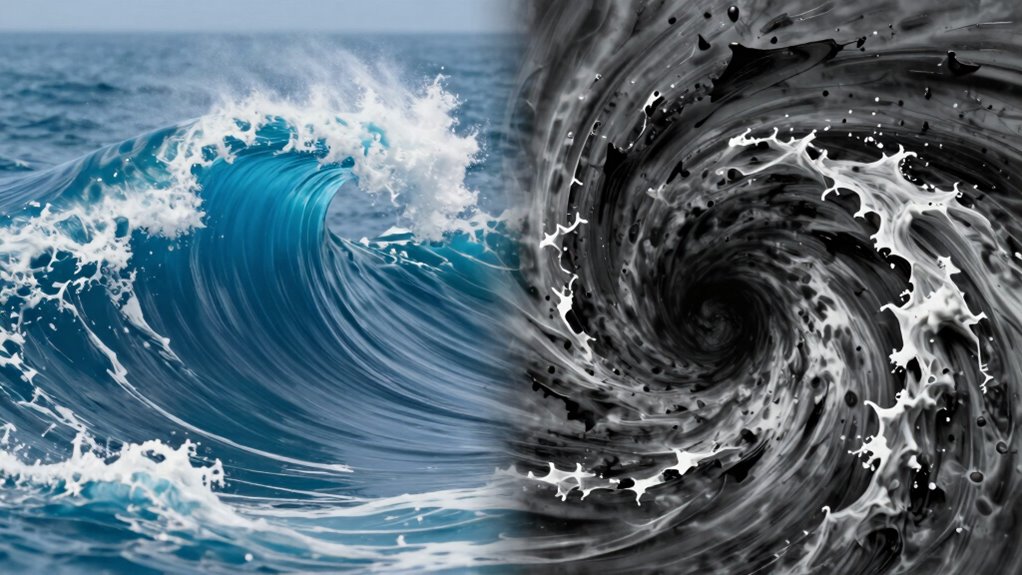
Have you ever wondered how water symbols can convey entirely opposite meanings depending on their context? It’s fascinating how a simple image of water can evoke feelings of renewal in one culture and chaos in another. This duality stems from deep-rooted cultural variations and historical symbolism that shape our understanding of water’s significance. When you see water in different settings, remember that its meaning isn’t universal; it’s influenced by the cultural stories and historical events that have shaped each society’s worldview.
Water symbols carry different meanings across cultures, reflecting deep-rooted history and stories shaping our perceptions.
In some cultures, water is a symbol of life, purity, and cleansing. Think of how many traditions involve washing hands or immersing in water to purify the soul. For instance, in many religious practices, water represents spiritual rebirth and renewal. This positive symbolism often originates from ancient beliefs that water sustains life and washes away impurities, both physical and spiritual. Yet, in other contexts, water signifies danger, chaos, or destruction. Flood myths, for example, highlight water’s destructive power, emphasizing its capacity to wipe out civilizations and reshape landscapes. These contrasting interpretations are rooted in historical symbolism—stories passed down through generations that highlight water’s dual nature.
Cultural variations play a major role in how you interpret water symbols. In Japanese culture, water’s flowing nature symbolizes adaptability and resilience. Conversely, in Western traditions, water can also symbolize chaos and unpredictability, as seen in stories of storms and floods. These cultural differences influence your perception of water symbols; what one society venerates as sacred and life-giving may be viewed elsewhere as a threat or a sign of upheaval. It’s important to recognize that these meanings aren’t fixed but evolve over time, shaped by historical experiences and cultural narratives. Additionally, the interpretation of natural elements varies widely across societies, further emphasizing the importance of context. Understanding how symbolism influences cultural identity can deepen your appreciation for these diverse interpretations.
Understanding why water symbols can mean opposite things helps you appreciate the complexity behind symbols that seem straightforward at first glance. It reminds you that symbols are layered with meanings, often contrasting depending on context. The historical symbolism tied to water—whether as a divine gift or a destructive force—continues to influence how you interpret these symbols today. Recognizing cultural variations allows you to see beyond surface appearances and appreciate the diverse ways societies assign meaning to water. So next time you encounter a water symbol, consider its cultural and historical background before jumping to conclusions. This awareness enriches your understanding of the symbolic world and reveals how deeply our perceptions are shaped by history and culture. Furthermore, acknowledging the role of symbolism in cultural identity helps deepen your appreciation for how societies interpret natural elements like water in meaningful ways.
water symbolism cultural art prints
As an affiliate, we earn on qualifying purchases.
As an affiliate, we earn on qualifying purchases.
Frequently Asked Questions
Are Water Symbols Universally Recognized Across Different Cultures?
Water symbols aren’t universally recognized across cultures because of cultural variations and historical contexts. You might see water as purity in one culture, but as chaos or danger in another. These differences stem from unique beliefs, traditions, and histories, shaping how symbols are understood. When you interpret water symbols, consider the specific cultural background, as their meanings can shift dramatically based on local customs and historical influences.
How Do Personal Experiences Influence Water Symbol Interpretations?
Your personal experiences shape how you interpret water symbols, acting like lenses that color your perception. Personal bias can make water symbolize calmness or chaos, depending on your past encounters. Cultural context also plays an essential role, as different societies associate water with purity, danger, or renewal. Together, these influences create a unique, personal symbolism that influences how you see water’s meaning in any situation.
Can Water Symbols Change Meaning Over Time?
Yes, water symbols can change meaning over time. You should consider the cultural context and historical evolution, as these factors influence how symbols are interpreted. As societies develop and beliefs shift, water symbols may take on new significance or lose old meanings. By staying aware of these changes, you can better understand the evolving symbolism and avoid assuming that water-related symbols always carry the same message across different eras and cultures.
Do Water Symbols Have Scientific or Spiritual Significance?
Do water symbols hold real scientific or spiritual significance? Absolutely, you might wonder. Water’s symbolic meanings often reflect its essential role in life, representing purity, renewal, or emotion in spiritual symbolism. Scientifically, water’s properties—like its ability to dissolve substances—are vital for life. While these meanings vary across cultures, water remains a powerful symbol of transformation and connection, bridging the physical and spiritual worlds through its universal presence.
How Do Water Symbols Relate to Emotional States?
Water symbols relate to emotional states because they often serve as emotional expressions and subconscious cues. When you see water in symbols, it can reflect your feelings, like calmness or turbulence, depending on the context. You might interpret flowing water as tranquility or stormy waters as turmoil. These symbols tap into your subconscious, revealing underlying emotions you might not consciously acknowledge, helping you understand and process your emotional landscape.
Conclusion
Water symbols are like chameleons, changing their meaning depending on the context and culture. You now see how one symbol can be a life-giving force or a symbol of chaos. It reminds us that symbols are not fixed; they’re fluid, evolving with our understanding. So, next time you see water symbols, remember they’re like a mirror, reflecting different truths depending on who’s looking—mysterious and endlessly fascinating.
Fall Picks
fall essentials
As an affiliate, we earn on qualifying purchases.