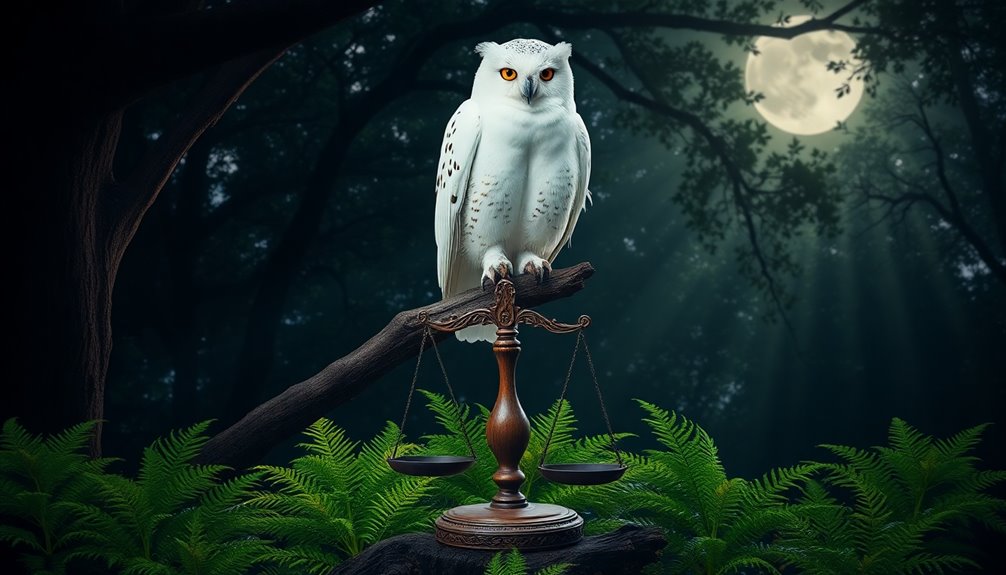
Wings in myth and art symbolize your connection to the divine, representing spiritual elevation, protection, and guidance. They embody the universal longing for freedom, transcending physical and emotional limits. Often used to depict angelic beings or messengers, wings highlight nobility, hope, and the journey toward higher understanding. Their presence invites you to explore themes of divine communication and personal liberation—continue exploring to discover the deeper meanings behind these powerful symbols.

Get art and craft supplies delivered free with Prime
- Fast, free delivery on millions of items
- Prime Video, Amazon Music and more included
- Member-only deals all year
Key Takeaways
- Wings symbolize divine connection, spiritual elevation, and transcendence across cultures and religious contexts.
- They represent human desires for freedom, escape, and personal liberation from constraints.
- Artistic depictions use wings to elevate subjects, conveying nobility, heroism, and spiritual awakening.
- In myth, wings serve as messengers, linking mortal and divine realms, symbolizing divine communication and intervention.
- Wings are powerful icons of protection, guidance, hope, and the aspiration for higher understanding.

Have you ever wondered why wings hold such a powerful place in myth and art? Throughout history, wings have symbolized more than just physical ability; they embody deep concepts like angelic symbolism, flight, and freedom. In many cultures, wings are seen as a divine attribute, representing celestial beings and their connection to higher planes of existence. When you see an angel with outstretched wings, it’s not just a depiction of a creature with feathers—it’s a sign of purity, protection, and a link to the divine. Wings in this sphere serve as a visual shorthand for spiritual elevation, reminding you of the possibility of transcendence beyond mortal limitations.
Beyond their religious connotations, wings also evoke the universal desire for flight and freedom. In myth and art, they often symbolize the urge to escape constraints, whether physical, emotional, or societal. You might imagine Icarus soaring toward the sun, driven by the desire to break free from his earthly bounds, or a bird in flight, embodying the pure joy of unrestrained movement. These images tap into a fundamental human longing: to rise above difficulties and attain a sense of liberation. Wings, in this sense, are not just about physical flight, but also about aspirations and dreams of liberation from everyday struggles.
In artistic representations, wings are frequently used to communicate the contrast between mortal limitations and divine or aspirational qualities. Artists use wings to elevate their subjects, suggesting nobility, heroism, or spiritual awakening. When you look at paintings or sculptures featuring winged figures, you might sense an underlying message about the potential for growth and transcendence. Wings serve as a visual metaphor for the journey from the mundane to the sacred, encouraging you to consider your own aspirations for higher understanding or personal freedom. Additionally, the symbolism of wings has been employed to represent hope and divine intervention across many different cultural narratives. This symbolism highlights how wings continue to serve as a powerful icon for spiritual elevation, connecting human experiences with divine or celestial realms. Interestingly, many cultures have also associated wings with protection and guidance, emphasizing their role in divine communication.
In myth, wings are often linked to messengers or beings who bridge different worlds. As messengers of gods or carriers of divine will, their wings symbolize the ability to traverse realms, conveying messages of hope or warning. This idea reinforces the connection between wings and the power to communicate beyond ordinary means, emphasizing their role in connecting the earthly and the divine. Furthermore, the cultural significance of wings underscores their importance in symbolizing divine communication and spiritual journeys across diverse societies. Additionally, wings have been used in art to symbolize the human desire for spiritual elevation and celestial connection, highlighting their enduring significance across cultures and eras. Whether in myth or art, wings continue to symbolize not only the possibility of flight but also the enduring human hope for spiritual and personal liberation.
As an affiliate, we earn on qualifying purchases.
Frequently Asked Questions
Are Wings Always Associated With Divine Beings in Different Cultures?
Wings aren’t always linked to divine beings; in many cultures, they’re symbols of angelic guardians, freedom, or mortal aspirations. You might see wings on mythological creatures, representing protection or transcendence, or even on humans seeking higher ideals. While often connected to the divine, wings also symbolize personal growth, ambition, and the desire to rise above challenges, showing their versatile role across different cultural and spiritual contexts.
How Do Wings Symbolize Freedom Across Various Art Forms?
Wings symbolize freedom across various art forms through flight symbolism and liberation themes. You see this in paintings, sculptures, and literature where wings represent breaking free from constraints, embracing new possibilities, or transcending limitations. They evoke a sense of escape from earthly bounds, allowing characters or figures to soar into the domain of dreams, hope, and spiritual awakening. Wings, consequently, serve as powerful symbols of liberation and boundless potential.
What Are the Historical Origins of Winged Mythological Creatures?
You discover that winged mythological creatures, like griffins and sphinxes, originate from ancient civilizations that revered celestial beings and angelic symbolism. These creatures often symbolize divine power, protection, and spiritual connection. In Egyptian, Greek, and Mesopotamian mythologies, wings represent the link between heaven and earth, emphasizing their role as messengers or guardians of sacred knowledge. Their wings embody a divine force that bridges mortal existence with the celestial domain.
Do Wings Have Different Meanings in Eastern Versus Western Traditions?
Wings, like open doors to the divine, symbolize more than flight—they embody different meanings across cultures. In Western traditions, wings often represent angelic symbolism and spiritual ascent, guiding souls upward. Conversely, in Eastern contexts, wings can symbolize freedom, transcendence, or protection, emphasizing harmony with nature. These contrasting views paint a vivid picture: wings as bridges to higher domains or symbols of liberation, depending on cultural perspective.
How Have Modern Interpretations of Wings Evolved in Contemporary Art?
In contemporary art, you see wings symbolize creative expression and symbolic freedom. Artists now use wings to challenge traditional meanings, representing personal liberation, individuality, or societal change. You might notice mixed media or abstract styles, emphasizing emotional depth. Modern interpretations often blend mythic symbolism with current issues, inviting viewers to reflect on their own sense of freedom. This evolution showcases how wings continue to inspire and adapt within artistic narratives.
Conclusion
Just like Icarus soaring towards the sun, wings symbolize our dreams and aspirations, lifting us beyond limits. Imagine a young artist painting angelic figures, each wing a symbol of hope and freedom. Throughout history, wings have carried stories of divine power and human longing. They remind you that, with courage, your own metaphorical wings can elevate you beyond fears and doubts, guiding you toward your highest aspirations—just as they have in myth and art for centuries.
Fall Picks
fall essentials
As an affiliate, we earn on qualifying purchases.