
TL;DR

Get art and craft supplies delivered free with Prime
- Fast, free delivery on millions of items
- Prime Video, Amazon Music and more included
- Member-only deals all year
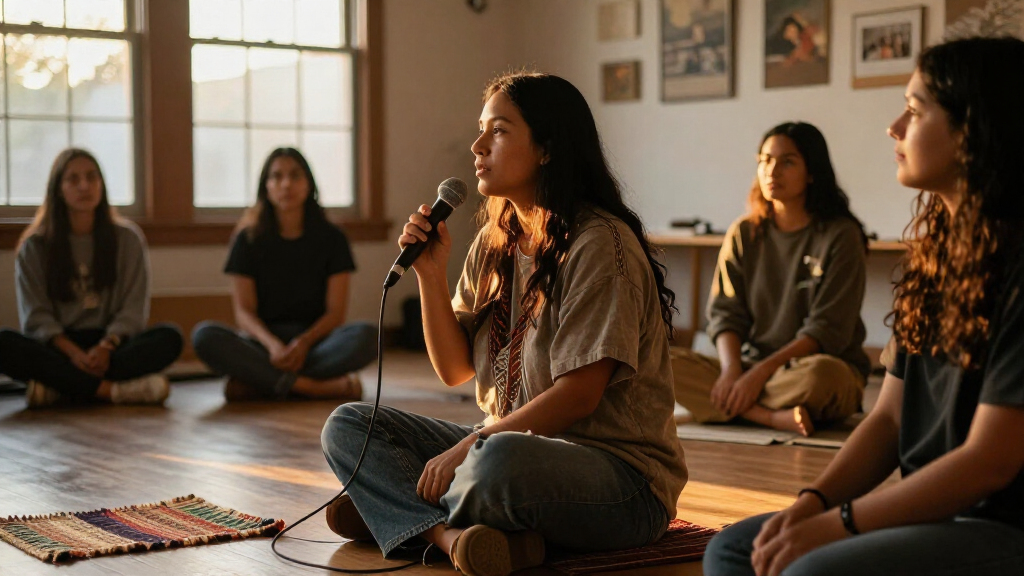
Layli Long Soldier’s 2026 book We (Wé), published by Graywolf Press, brings poetry, essays, stories, photographs and visual art together on the page. In an interview with artist Dyani White Hawk, Long Soldier discusses how a poem’s form can begin with either its shape or its language, and how she makes room for readers while addressing painful history.
Poet Layli Long Soldier’s 2026 book We (Wé), published by Graywolf Press, combines poems with essays, short stories, photographs and visual art. In an interview with artist Dyani White Hawk for Hyperallergic, Long Soldier describes how page design and language develop together in her work, and how she guides readers through writing that includes painful accounts of the Wounded Knee Massacre.
White Hawk’s interview presents We as a book in which the page’s visual arrangement is part of the reading experience. Long Soldier discusses using placement, spacing and constraints to shape poems, with some forms requiring exact attention to available space. The collection also moves among different kinds of material, rather than relying on poetry alone.
Long Soldier says a poem’s process can start in either direction. At times, she wakes with a shape in mind and begins writing within that form. At other times, she starts with an experience, memory or person, searches for language, and then experiments with a fitting structure. She tells White Hawk that some poems take months or years to complete, and that finding the form can give the work momentum.
She also connects the patience required by demanding forms to the detailed work of friends and relatives who bead or make sculpture. Long Soldier says their practice inspires her to focus on one small task at a time. In discussing how she addresses difficult subjects, she describes the reader as a guest moving through a home she has built, and says changes of subject can give readers space to remain with intense material.
How Form Carries Difficult History
The interview offers readers a direct account of how Long Soldier’s formal choices relate to the experience of reading her work. In We, visual arrangement, pauses and shifts between genres are not merely decoration: they help structure how the book presents memory and history, according to the conversation. That approach matters particularly in the essay “Through the Pupil of Instinct,” which includes firsthand accounts from survivors of the Wounded Knee Massacre.
Long Soldier says that essay moves between Wounded Knee, her child’s school day and a drive through Minneapolis with poet Heid Erdrich. She describes those changes as giving the reader “time and breath” amid painful material. The interview therefore links artistic form to a practical question: how to confront violence and injustice without treating the reader’s attention as limitless.
The title also signals the book’s interest in language and relationship. White Hawk’s report explains that We carries the English meaning of the word, while Lakota wé means “blood.” The title brings collective identity and shared life into the frame, while the interview makes clear that the book’s treatment of Lakota philosophy is presented through Long Soldier’s lived experience and artistic practice.
Popular right now

Sony WH-1000XM6 Wireless Noise-Canceling Over-Ear Headphones, Blue, Bundle

Ninja Luxe Café Mini Plus Espresso and Drip Coffee Machine with AutoFroth, Stainless Steel, ES351

De'Longhi Linea Classic Espresso Machine with Adjustable Milk Frother
As an affiliate, we earn on qualifying purchases.
From Whereas to We
Long Soldier’s previous poetry collection, Whereas, was published in 2017. White Hawk’s introduction says readers familiar with that book will recognize the strength and distinctive style of Long Soldier’s writing, while We takes up new terrain through a mix of poetry and other forms. The source does not describe the new book as a sequel or provide a full account of its contents.
White Hawk and Long Soldier have known one another for about 20 years, having met while studying at the Institute of American Indian Arts in Santa Fe, New Mexico. White Hawk identifies herself as a longtime friend and colleague; that relationship is relevant to the interview’s personal tone, while the discussion itself focuses on Long Soldier’s methods and the book. The interview was edited and condensed for clarity, according to its introduction.
““I consider the reader a guest.””
— Layli Long Soldier, speaking to Dyani White Hawk
What the Interview Leaves Open
The source is an interview and critical introduction, not a full review or a complete description of We. It does not give the book’s exact publication date, page count, full contents, or details about its photographs and visual artworks. Nor does it establish how readers or critics have received the collection.
White Hawk describes the title’s English and Lakota meanings and characterizes the book as shaped by Lakota values and philosophy. Those are presented as the interviewer’s framing and the book’s stated linguistic connection; the interview does not attempt to represent a single, universal Lakota viewpoint. Long Soldier says she is unsure why she naturally uses commands, reminders and encouragement to guide readers, so the source does not settle whether that technique is specifically tied to her identity as a Lakota artist, a woman or an Indigenous artist.
Readers Turn to the Full Book
Graywolf Press published We in 2026, and the next step for readers is to encounter the collection itself. The interview points to several features to follow: how poems move between language and visual form, how essays and other materials sit alongside poetry, and how shifts in focus shape the reading of difficult history.
The source names no forthcoming event, follow-up interview or additional publication milestone. Any further information about the book’s reception or Long Soldier’s plans would need to come from later reporting or the publisher.
Key Questions
What is Layli Long Soldier’s new book?
We (Wé) is a 2026 book by poet Layli Long Soldier, published by Graywolf Press. As described in the Hyperallergic interview, it includes poetry, essays, short stories, photographs and visual art.
What does the title We (Wé) mean?
The interview explains that the title refers to the English word “we” and the Lakota word wé, meaning “blood.”
How does Long Soldier develop the form of a poem?
She says some poems begin with a shape or formal constraint, while others begin with language drawn from an experience, memory or person. She may then revise the structure through trial and error; some poems take months or years.
How does she approach painful historical material?
Long Soldier says she sometimes changes direction within an essay to give readers room to stay with intense subjects. She cites “Through the Pupil of Instinct,” which includes survivor accounts related to the Wounded Knee Massacre and shifts among other scenes and subjects.
Source: hyperallergic.com